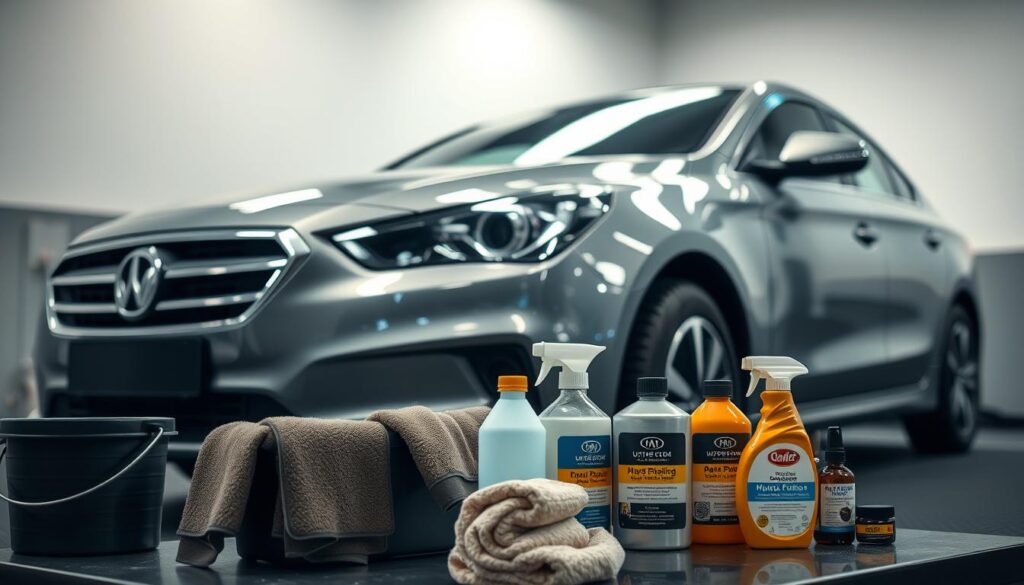

How do I wash a car using the perfect method? Keeping your car clean is not just about maintaining its appearance; it’s also crucial for its longevity. Regular car washing techniques help protect the vehicle’s paint and exterior from damage caused by dirt, dust, and other environmental factors.
Washing your car can seem like a daunting task, but with the right guidance, it can become a straightforward process. This guide will walk you through the steps to effectively clean your car, sharing valuable car cleaning tips along the way.
Key Takeaways
- Understand the importance of regular car washing for your vehicle’s maintenance.
- Learn the best practices for washing your car at home.
- Discover the right cleaning products and tools for the job.
- Find out how to protect your car’s paint and exterior.
- Gain tips on maintaining your car’s cleanliness between washes.
The Importance of Regular Car Washing
Regular car washing is crucial for maintaining your vehicle’s appearance and overall health. A clean car not only looks better, but it’s also better protected from the elements. Dirt, dust, and other contaminants can damage your car’s paint and finish if left unchecked.
Protecting Your Vehicle’s Paint and Finish
Washing your car regularly helps protect its paint and finish by removing dirt and debris that can cause scratches and damage. Using the best car washing techniques ensures a thorough clean without harming the vehicle’s surface. This helps maintain the car’s appearance and prevents costly repairs down the line.
Maintaining Resale Value
A well-maintained car retains its resale value better than one that’s neglected. Regular washing is part of the car detailing process that keeps your vehicle looking its best. By keeping your car clean, you demonstrate to potential buyers that you’ve taken good care of it.
Environmental Benefits of Home Washing
Washing your car at home can be more environmentally friendly than using a commercial car wash, as it allows you to control the amount of water and cleaning products used. By adopting eco-friendly car washing techniques, you can minimize your environmental impact while keeping your car clean.
Essential Supplies for a Proper Car Wash
To wash your car like a pro, you’ll need the right supplies. Having the correct equipment not only makes the process easier but also helps prevent damage to your vehicle’s paint and finish.
Car-Specific Cleaning Products
Using the right cleaning products is crucial for a successful car wash. Car-specific cleaning products are designed to be gentle on your vehicle’s surfaces while effectively removing dirt and grime.
Choosing the Right Car Shampoo
When selecting a car shampoo, look for a pH-balanced formula that’s free of harsh chemicals. A good car shampoo should be able to clean your car without stripping away the wax or damaging the paint. Check out our collection of Car Shampo and soap to find high-quality, paint-safe options for every detailing routine.
Specialty Cleaners Worth Investing In
In addition to car shampoo, consider investing in specialty cleaners for tasks like wheel cleaning and glass treatment. These products can help tackle tough grime and leave your car looking its best.
1.Microfiber Towels and Wash Mitts
Microfiber towels and wash mitts are essential for a safe and effective car wash. They are gentle on your car’s surfaces and can absorb a lot of water, making them ideal for drying and cleaning.
Explore our Microfiber Towels & Mitts Collection to find high-quality options that reduce swirl marks and leave a streak-free finish.
Want to learn which ones stand out? Read our detailed guide on the Best Microfiber Towels for Cars: Top Picks for Scratch-Free Detailing and Shine.
Buckets and Grit Guards
Using two buckets – one for washing and one for rinsing – can help prevent dirt and debris from being transferred back onto your car. Grit guards can be placed at the bottom of the buckets to trap dirt and grit, keeping your wash water clean. Browse our Car wash Buckets & Grit Guards Collection to upgrade your car wash routine with professional-grade tools.
Preparing Your Car for Washing
The key to a successful car wash lies in the preparation, which involves several important steps. Proper preparation ensures that your car gets a thorough clean and helps prevent any potential damage during the washing process.
Finding the Right Location
Choosing the right location for washing your car is crucial. Ideally, you should wash your car in a shaded area to avoid direct sunlight, which can cause soap to dry onto the car’s surface, leaving streaks and spots. If a shaded area isn’t available, try to wash your car during the early morning or late afternoon when the sun isn’t directly overhead.
Timing Considerations
Avoid washing your car in direct sunlight or when the surface is hot, as this can affect the cleaning products’ effectiveness and lead to streaks. Also, consider the weather; avoid washing during strong winds or when it’s about to rain.
Pre-Wash Inspection
Before you start washing, inspect your car for any stubborn dirt, bug splatters, or tar that may require special attention. This step helps you identify areas that need extra care, ensuring a more effective wash.
The Two-Bucket Method: How Do I Wash a Car Properly
The two-bucket method is a simple yet effective technique for washing your car at home. This approach helps minimize the risk of scratching your car’s paint by separating the clean water from the dirty water used to rinse your wash mitt.
Setting Up Your Wash and Rinse Buckets
To start, you’ll need two buckets: one for washing and one for rinsing. Fill the wash bucket with warm water and add a small amount of car wash soap. The rinse bucket should be filled with clean water. Consider adding a grit guard to the bottom of both buckets to trap dirt and debris, preventing them from being redeposited onto your car’s surface.
The Correct Washing Motion
When washing your car, use a straight-line motion to clean the surface. Avoid using circular motions, as they can create scratches. Start from the top and work your way down to prevent dirt and soap from running down onto clean areas.
Section-by-Section Approach
Divide your car into sections, such as the hood, roof, and trunk. Wash one section at a time, rinsing your wash mitt in the rinse bucket and wringing it out thoroughly before reloading it with soap from the wash bucket. This method ensures a thorough and even clean.
By following the two-bucket method and dividing your car into sections, you can achieve a professional-level clean at home. This technique is a fundamental part of any DIY car wash guide and is essential for maintaining your vehicle’s appearance.
- Use two buckets to separate clean and dirty water.
- Wash your car in straight-line motions to avoid scratches.
- Clean one section at a time for an even finish.
Step-by-Step Car Washing Process
Learning how to wash your car properly is crucial for its maintenance and appearance. A well-washed car not only looks great but also helps protect its paint and finish from damage.
Pre-Rinse Techniques
Start by pre-rinsing your car to remove loose dirt and debris. Use a hose with a spray nozzle to gently wash away dirt, beginning from the top and working your way down. This step helps prevent scratches during the washing process.
Working from Top to Bottom
When washing your car, it’s essential to work from top to bottom to prevent dirt and soap from running down onto clean areas. This method ensures a more efficient and effective wash.
Roof and Windows First
Begin by washing the roof and windows. Use a soft, microfiber cloth or wash mitt to clean these areas gently. This helps remove dirt and soap without leaving streaks or marks.
Body Panels and Doors
Next, move on to the body panels and doors. Use the same microfiber cloth or wash mitt, working in sections to clean one area at a time. Make sure to clean all surfaces, including the hood, trunk, and doors.
Lower Areas Last
Finally, wash the lower areas of your car, including the wheels and tires. Use a separate, dedicated brush or cloth for these areas to prevent cross-contamination of dirt and grime.
Tackling Different Vehicle Sections
Different sections of your vehicle may require special attention. For example, wheels and tires need a more aggressive cleaning product, while delicate surfaces like the dashboard and windows require gentler care.
By following these steps and using the right cleaning products, you can keep your car looking its best. Remember to dry your car thoroughly after washing to prevent water spots.
Cleaning Wheels and Tires Effectively
When it comes to washing your car, one of the most crucial steps is cleaning the wheels and tires effectively. A thorough DIY car wash guide emphasizes the importance of this step to achieve a showroom shine.

Specialized Wheel Cleaners
Using specialized wheel cleaners is essential for removing brake dust and grime that can damage your wheels over time. These cleaners are formulated to tackle the tough dirt and grime that accumulates on wheels, ensuring they remain in good condition.
Brush Types for Different Wheel Styles
Different wheel styles require different types of brushes for effective cleaning. For instance, alloy wheels may require softer brushes to prevent scratching, while steel wheels can withstand stiffer brushes. Choosing the right brush type is crucial for a thorough car detailing process.
To understand why brushes often outperform microfiber towels in tight or textured areas, check out our blog: Why Detailing Brushes Are Better Than Microfiber Towels Alone.
Tire Shine Application Tips
Applying tire shine not only enhances the appearance of your tires but also protects them from cracking. To apply tire shine effectively, ensure the tires are clean and dry, then use a applicator to spread the product evenly. This step is part of the best way to wash car for a polished finish.
By following these tips and using the right products, you can keep your wheels and tires looking their best, enhancing the overall appearance of your vehicle.
Addressing Stubborn Dirt and Stains
Effective car cleaning involves more than just a regular wash; it requires tackling tough stains. When you encounter stubborn dirt and stains on your vehicle, it’s essential to use the right techniques and products to remove them without damaging the paint or other surfaces.
Bug Splatter Removal
Bug splatters can be particularly challenging to remove due to their acidic nature, which can etch into your car’s paint. To remove them, use a bug and tar remover or a mixture of water and a mild detergent. Apply the solution to the affected area, let it sit for a few minutes, and then gently scrub with a soft cloth or sponge.
Tree Sap and Bird Droppings
Tree sap and bird droppings are other common contaminants that can damage your car’s finish if not removed promptly. For tree sap, use a sap remover or a solvent like mineral spirits. For bird droppings, a mixture of water and white vinegar or a dedicated bird dropping remover can be effective. Always test a small area first to ensure the solution doesn’t damage the paint.
Road Tar Treatment
Road tar can be difficult to remove due to its sticky nature. Use a tar remover or a product containing solvents to dissolve the tar. Apply the product to the tar, let it sit, and then wipe it away with a microfiber cloth. Repeat as necessary until the tar is completely removed.
Water Spot Remedies
Water spots can occur when mineral-rich water evaporates, leaving behind deposits on your car’s surface. To remove water spots, use a water spot remover or a mixture of equal parts water and white vinegar. Apply the solution to the spot, let it sit, and then wipe it away with a microfiber cloth.
By addressing these common issues, you can keep your car looking its best and maintain its value. Regular detailing, including proper stain removal, is a crucial part of how do you detail a car effectively.
Proper Drying Techniques to Prevent Water Spots
To keep your car looking its best, it’s essential to dry it correctly after washing. Proper drying techniques are a crucial part of effective car washing techniques that help maintain your vehicle’s appearance and protect its surface.
Microfiber Drying Towels
Microfiber drying towels are highly recommended for drying cars because they are absorbent and gentle on the vehicle’s surface. Unlike regular towels, microfiber towels reduce the risk of scratching the paint.

Drying Aids and Their Benefits
Drying aids, such as drying sprays or quick detailers, can be used to enhance the drying process. These products help water to bead up and roll off the surface more easily, reducing the risk of water spots.
The Blotting vs. Wiping Debate
When it comes to drying your car, there’s a debate between blotting and wiping. Blotting is generally recommended as it reduces the risk of scratching the paint by gently absorbing water rather than rubbing it off.
By incorporating these DIY car wash guide tips into your car washing routine, you can ensure your vehicle remains in great condition and continues to look its best.
Interior Cleaning Basics
A clean interior not only enhances your driving experience but also prolongs the life of your vehicle’s components. Regular interior cleaning is essential to maintain your car’s overall condition and comfort.
How to Clean Car Floor Mats
Car floor mats are prone to dirt and moisture, making them a breeding ground for bacteria and odor. To clean them effectively, you need to consider the type of material they’re made of.
Read our full how to guide on Easy Steps to Clean Car Carpets.
Fabric vs. Rubber Mat Cleaning
Fabric mats require a gentle cleaning approach. Start by removing loose dirt, then use a mild detergent mixed with warm water to scrub the mats. Rinse thoroughly and let them air dry. For rubber mats, use a hose to remove debris, then scrub with a brush and mild soap. Rinse and dry with a microfiber towel.
Deep Cleaning Techniques
For deeply soiled mats, consider using a carpet and upholstery cleaner for fabric mats. For rubber mats, a mixture of baking soda and water can help remove stubborn stains. Let it sit before rinsing off.
Dashboard and Console Care
The dashboard and console are exposed to sunlight and dust, making them prone to wear and tear. Use a microfiber cloth and a gentle cleaning product to wipe down these areas. Avoid using harsh chemicals that can damage the surfaces.
Window and Mirror Cleaning
For streak-free windows and mirrors, use a glass cleaner and a microfiber cloth. Spray the cleaner on the cloth rather than directly on the glass to prevent drips and streaks.
By following these interior cleaning basics, you can keep your car’s interior looking and feeling fresh. Regular maintenance is key to a clean and comfortable driving environment.
Car Detailing Process for Beginners
Car detailing is more than just washing your car; it’s about restoring its shine and protecting its surfaces. For beginners, understanding the car detailing process can seem overwhelming, but breaking it down into manageable steps makes it achievable.
Waxing and Polishing Basics
Waxing and polishing are crucial steps in the car detailing process. Waxing provides a protective layer against environmental elements, while polishing removes minor scratches and imperfections, enhancing the car’s paint finish.
Hand vs. Machine Application
When it comes to applying wax or polish, you can choose between hand application or using a machine. Hand application allows for more control, especially on intricate areas, while machine application can cover larger areas more efficiently.
Product Selection Guide
Selecting the right wax or polish depends on your car’s paint type and condition. For instance, if your car has a matte finish, you’ll need products specifically designed for matte paints. Always read the product labels and look for reviews to ensure you’re getting a quality product.
Clay Bar Treatment
A clay bar treatment is an essential step in the detailing process, as it removes contaminants that washing can’t, such as tar and overspray. To use a clay bar, gently rub it back and forth on a lubricated section of the car’s surface. You’ll feel the clay bar pick up contaminants, leaving the surface smooth.

Interior Detailing Tips
Interior detailing involves cleaning and protecting the inside of your car. Start by vacuuming the seats, carpets, and crevices. Then, use appropriate cleaners for different surfaces, such as leather, vinyl, or fabric. Don’t forget to clean the dashboard, console, and windows for a comprehensive interior detail.
By following these steps and tips, beginners can achieve a professional-level car detailing result, enhancing their vehicle’s appearance and longevity.
Common Car Washing Mistakes to Avoid
To keep your car looking its best, it’s essential to avoid common car washing mistakes that can harm the paint and other exterior components. Being aware of these mistakes can help you maintain your vehicle’s appearance and longevity.
Using Dish Soap or Household Cleaners
One of the most significant mistakes car owners make is using dish soap or household cleaners on their vehicle’s exterior. These products are too harsh and can strip away the wax, damage the paint, and cause other issues. Instead, use a car-specific cleaning product that is designed to clean without damaging the finish.
Washing in Direct Sunlight
Washing your car in direct sunlight can cause soap to dry onto the surface, leading to streaks and spots. It’s best to wash your car in the shade or on a cloudy day to prevent this issue. If you must wash in direct sunlight, make sure to rinse your car thoroughly and quickly.
Improper Drying Methods
Improper drying methods can lead to water spots and scratches. Using a microfiber drying towel is recommended as it absorbs water well and is gentle on the car’s surface. Avoid using household towels or chamois that can scratch the paint.
Neglecting Regular Maintenance
Neglecting regular car maintenance can lead to a buildup of dirt and grime, making the washing process more difficult and potentially damaging to the vehicle’s finish. Regular washing and maintenance are crucial for keeping your car in good condition.
Maintaining That Fresh-Washed Look Between Washes
To keep your car looking its best between washes, regular maintenance is key. Start by implementing a quick cleaning routine that includes dusting off the exterior with a microfiber cloth to remove loose dirt and debris. This simple step can significantly extend the time between car washes.
For the interior, vacuum the floors and seats regularly, and wipe down surfaces with a damp cloth. Using a car-specific cleaning product on the dashboard and console can help maintain a fresh appearance. Don’t forget to clean the windows and mirrors with a glass cleaner to ensure clear visibility.
Understanding the car detailing process can also help you maintain your vehicle’s appearance. Regularly waxing your car can protect the paint and make future cleaning easier. For more thorough maintenance, consider using a clay bar to remove contaminants from the paint surface. By following these car cleaning tips, you can keep your car looking great even between washes, and make the next wash easier when you need to know how do I wash a car properly.