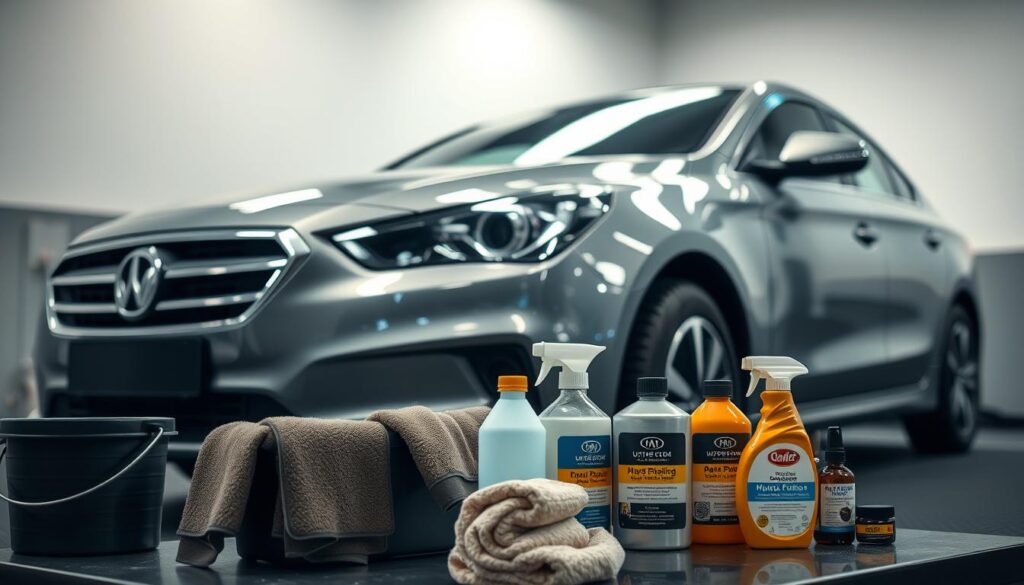
Keeping your car’s interior clean can be a daunting task, especially when it comes to the upholstery. Dirt, dust, and stains can accumulate over time, making your vehicle look worn out and neglected.
Deep cleaning your car’s upholstery at home can be a cost-effective and rewarding experience. Not only will it improve the overall appearance of your vehicle, but it will also help to eliminate odors and allergens that can aggravate respiratory issues.
By following a few simple steps, you can restore your car’s interior to its former glory. In this article, we will guide you through the process of deep cleaning your car’s upholstery at home, providing you with the knowledge and confidence to tackle this task.
Understanding Different Types of Car Upholstery
Car upholstery comes in a variety of materials, each with its unique characteristics and cleaning requirements. The type of upholstery used can affect not only the car’s appearance but also its durability and maintenance needs.
Fabric Upholstery Characteristics
Fabric upholstery, often made from cotton, polyester, or a blend, is a popular choice for many car owners due to its comfort and aesthetic versatility. Cleaning fabric upholstery requires gentle methods to prevent damage to the material. Regular vacuuming and spot cleaning can help maintain its appearance.
Leather Upholstery Properties
Leather upholstery is known for its luxurious feel and durability. It requires specific care, including the use of leather conditioners to prevent cracking and fading. Regular cleaning with appropriate products is essential to maintain its quality.
Vinyl and Synthetic Materials
Vinyl and synthetic upholstery materials are valued for their ease of cleaning and resistance to wear. These materials can mimic the look of leather or fabric but often require less maintenance. Using the right cleaning products is crucial to extend their lifespan.
Essential Supplies for a Thorough Upholstery Cleaning
The key to effectively cleaning your car’s upholstery lies in using the appropriate cleaning supplies and tools. Having the right equipment not only ensures a thorough cleaning but also helps in maintaining the quality and longevity of your upholstery.
Commercial Cleaning Products
There are numerous commercial cleaning products available that are specifically designed for cleaning different types of upholstery. For fabric upholstery, enzyme-based cleaners like Chemical Guys Fabric Clean work well to break down organic stains. For leather upholstery, gentle pH-balanced cleaners such as Chemical guys Leather Cleaner help maintain softness and avoid damage. Always choose products compatible with your vehicle’s upholstery material.
DIY Cleaning Solutions
For those who prefer a more natural approach or want to save money, DIY cleaning solutions can be a viable alternative. A mixture of mild soap and warm water can be effective for cleaning fabric upholstery. For tougher stains, a solution of equal parts water and white vinegar can help. For leather, a mixture of equal parts water and olive oil can condition and clean the surface. However, it’s crucial to test any DIY solution on a small, inconspicuous area first to ensure it doesn’t damage the upholstery.
Tools and Equipment for Different Materials
The right tools and equipment can make a significant difference in the cleaning process. A soft-bristled brush can be used to gently scrub fabric upholstery, while a soft, dry cloth is best for wiping down leather surfaces. For vinyl and synthetic materials, a microfiber cloth can be effective. Additionally, a versatile vacuum cleaner with attachments like the ThisWorx Car Vacuum Cleaner is essential to remove dirt and debris from all crevices.
Preparing Your Vehicle for Deep Cleaning
Before diving into the deep cleaning process, it’s crucial to prepare your vehicle to ensure a thorough and effective clean. This step is often overlooked but is vital for achieving professional-like results, especially when it comes to your car’s automotive upholstery.
Removing Personal Items and Trash
Start by clearing out any personal items and trash from your car. This not only gives you a clean slate but also prevents any damage to your belongings during the cleaning process. Remove all floor mats, personal items from the glove compartment, and any other objects that could get in the way.
Effective Vacuuming Techniques
Next, vacuum the interior thoroughly. Use a vacuum cleaner with various attachments to reach into tight spaces and crevices. Pay special attention to areas around the seats and under the dashboard where dirt and dust tend to accumulate. For cars with custom upholstery, be gentle to avoid damaging the material.
Protecting Electronic Components
Before you start cleaning, take a moment to protect your car’s electronic components. Cover sensitive areas like the dashboard and any exposed wiring with a waterproof cover. This precaution will help prevent damage from cleaning solutions or water, ensuring your car’s electronics continue to function properly. For professional upholstery services, this step is crucial.
Pre-Cleaning Steps and Safety Precautions
Ensuring your car’s upholstery is clean requires more than just a quick wipe; it demands careful pre-cleaning steps. Before applying any cleaning solutions, it’s essential to prepare your vehicle’s interior.
Performing Spot Tests on Upholstery
Spot testing is crucial before applying any cleaning solution to your car’s upholstery. This step ensures that the cleaning product won’t damage the material or cause discoloration. Choose an inconspicuous area, apply a small amount of the cleaning solution, and wait for a few minutes to check for any adverse reactions.
Ventilation and Personal Protection
Good ventilation is vital when cleaning your car’s upholstery. Open the doors and windows to prevent the buildup of fumes from cleaning products. Additionally, consider wearing protective gloves and a mask to safeguard against skin irritation and inhalation of harsh chemicals.
Reading Product Labels and Warnings
Always read the labels and warnings on cleaning products. Understanding the instructions and potential hazards associated with the product is crucial for safe and effective upholstery cleaning. This step helps prevent accidents and ensures you’re using the product as intended.
Deep Cleaning Fabric Car Upholstery
To keep your car’s interior looking its best, understanding how to deep clean fabric upholstery is crucial. Fabric upholstery, known for its comfort and aesthetic appeal, requires regular maintenance to prevent dirt and stains from becoming ingrained.
Step-by-Step Cleaning Process
Deep cleaning fabric car upholstery involves a meticulous process that starts with preparing the right cleaning solution. It’s essential to choose a cleaner that is suitable for the type of fabric your car’s upholstery is made of.
Applying Cleaners Properly
When applying cleaners, it’s vital to follow the product’s instructions and test it on a small, inconspicuous area first. Always use a soft-bristled brush or a cleaning cloth to gently apply the cleaner, working from the outside in to prevent spreading the dirt.
Agitation Techniques
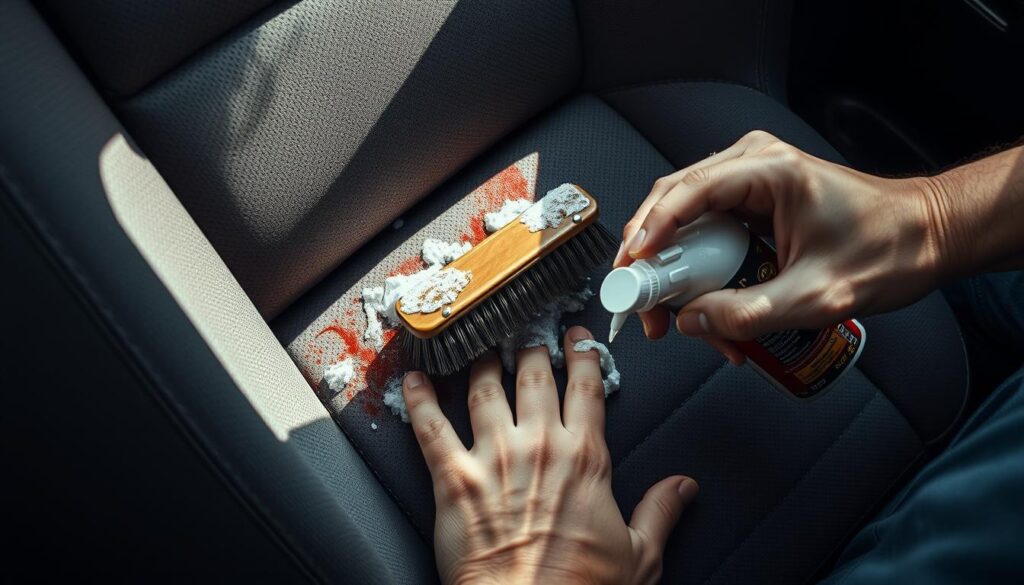
Agitation is a critical step in the cleaning process. Gently scrub the fabric in a circular motion with a soft-bristled brush to loosen dirt without damaging the fabric. Be careful not to press too hard, which can push dirt deeper into the fabric.
Extracting Dirt and Cleaning Solution
After agitating the cleaner into the fabric, the next step is to extract the dirt and cleaning solution. Use a wet/dry vacuum or a clean, damp cloth to blot the area, removing as much of the liquid as possible. Repeat the cleaning and extraction process until the fabric is clean.
Handling Stubborn Fabric Stains
For stubborn stains, a more targeted approach may be necessary. Pre-treat the stain with a stain remover before applying the general cleaning solution. Be patient and repeat the process as needed until the stain is removed.
By following these steps and using the right cleaning products, you can effectively deep clean your car’s fabric upholstery, restoring its original appearance and prolonging its lifespan.
Proper Techniques for Cleaning Leather Upholstery
To keep your car’s leather upholstery looking its best, it’s essential to use the right cleaning techniques. Leather requires gentle cleaning and conditioning to maintain its quality. Professional upholstery services often emphasize the importance of proper care for leather interiors.
Gentle Cleaning Methods
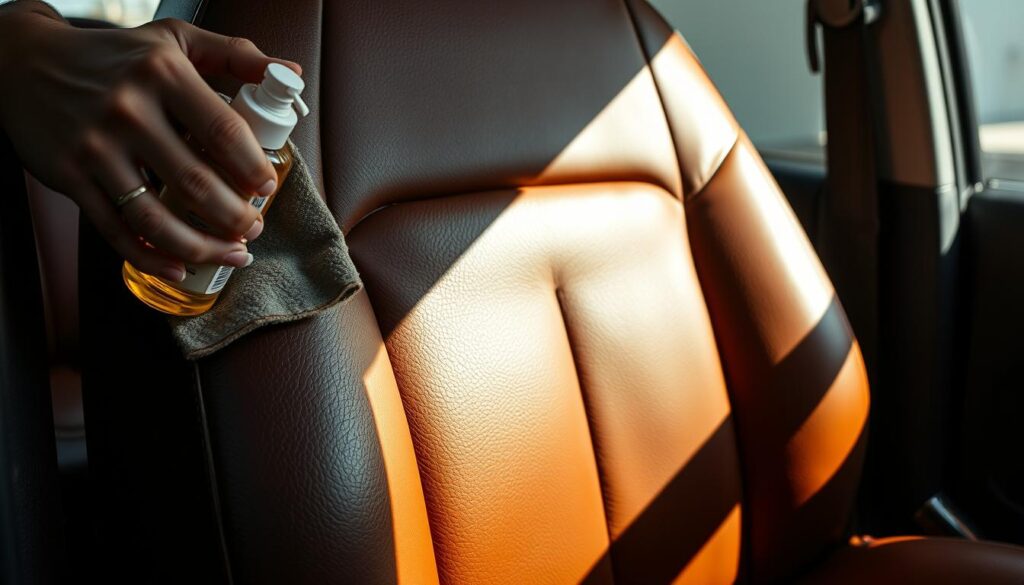
When it comes to cleaning leather upholstery, it’s crucial to start with gentle methods. Begin by dusting off the leather surface with a soft, dry cloth to remove any loose dirt or debris. For more thorough cleaning, use a leather-specific cleaner that is pH-balanced and free of harsh chemicals. Apply the cleaner to a microfiber cloth, not directly to the leather, to avoid over-saturating the material.
Conditioning Leather to Prevent Cracking
After cleaning, conditioning the leather is a vital step to prevent cracking and drying out. Use a high-quality leather conditioner that nourishes the leather without leaving a greasy residue. Apply the conditioner to a clean cloth and gently rub it into the leather in circular motions. This helps maintain the leather’s suppleness and prevents it from cracking over time.
Addressing Existing Damage and Wear
If your leather upholstery already shows signs of wear, such as scratches or fading, there are ways to address these issues. For minor scratches, a leather repair kit can be effective. For more extensive damage, consider seeking professional upholstery services to restore the leather to its original condition. Regular maintenance can also help prevent further deterioration.
Tackling Vinyl and Synthetic Upholstery Materials
To keep your car’s vinyl and synthetic upholstery looking its best, it’s crucial to understand the right cleaning methods. Vinyl and synthetic materials are popular choices for automotive upholstery due to their durability and ease of maintenance. However, they still require regular cleaning to prevent dirt and grime from building up.
Safe Cleaning Solutions for Synthetics
When it comes to cleaning synthetic upholstery, it’s essential to use a mild detergent that is specifically designed for these materials. Avoid using harsh chemicals, as they can damage the surface or cause discoloration. A mixture of mild soap and warm water is often effective. For tougher stains, a specialized cleaner for synthetic materials can be used.
Restoring Appearance and Texture
After cleaning, vinyl and synthetic upholstery may require additional care to restore their original appearance and texture. Using a vinyl and synthetic protectant can help achieve this. These products not only enhance the look but also provide a layer of protection against future stains and wear. Regular application can keep your car’s interior looking fresh and new.
Removing Specific Stains from Car Upholstery
Whether it’s a spill or a stubborn mark, learning how to remove specific stains from car upholstery is essential for maintaining your car’s interior. Different stains require different removal techniques, and using the right approach can make all the difference in restoring your car’s upholstery to its original condition.
Food and Beverage Stains
Food and beverage stains are common in cars, especially if you eat on the go. To remove these stains, start by blotting the area with a clean cloth or paper towel to absorb as much of the spill as possible. Then, mix a solution of mild soap and warm water, and gently scrub the stain with a soft-bristled brush.
Oil, Grease, and Makeup Marks
Oil, grease, and makeup marks can be particularly challenging to remove from car upholstery. For these types of stains, use a cleaning product specifically designed to cut through grease and oil. Apply the product to the stain, let it sit for a few minutes, and then blot it with a clean cloth. Repeat the process until the stain is gone.
Ink, Dye, and Crayon Stains
Ink, dye, and crayon stains require a different approach. For ink stains, try using a stain remover or a mixture of equal parts water and white vinegar. For dye or crayon stains, use a gentle cleaning product and a soft-bristled brush to scrub the area. Be sure to test any cleaning solution on a small, inconspicuous area first.
Pet Stains and Eliminating Odors
Pet stains and odors can be particularly difficult to remove, but there are effective methods. For pet stains, use a cleaning product specifically designed to remove organic stains. Apply the product, let it sit, and then blot it with a clean cloth. To eliminate odors, use a product containing enzymes that break down organic matter, or try using baking soda or activated charcoal to absorb the odor.
By using the right techniques and cleaning products, you can effectively remove a variety of stains from your car’s upholstery. Regular upholstery cleaning and maintenance can help keep your car’s interior looking its best. For particularly tough stains or damaged upholstery, consider seeking professional upholstery</strong> services for upholstery repair.
Drying Techniques and Finishing Touches
The drying process is a critical phase in car upholstery cleaning, requiring careful consideration to avoid water spots and damage. Proper drying techniques are crucial to maintain the quality and appearance of your car’s upholstery</strong>.
Natural vs. Accelerated Drying Methods
There are two primary methods for drying car upholstery: natural drying and accelerated drying. Natural drying involves allowing the upholstery to air dry, which is a safe method but can be time-consuming. On the other hand, accelerated drying uses tools like fans or specialized drying equipment to speed up the process.
While natural drying is gentler on the upholstery, accelerated drying can be more efficient, especially for heavily soaked areas. It’s essential to use low heat and avoid direct sunlight to prevent damage to the material.
Applying Protectants and Fabric Guards
After the upholstery is dry, applying protectants and fabric guards can enhance its durability and stain resistance. These products create a barrier that repels liquids and prevents stains from setting in, making future cleaning easier.
For custom upholstery</strong> or specific materials like leather or vinyl, it’s crucial to choose the right protectant to maintain the material’s integrity and appearance. Regular application of these protectants as part of your upholstery services routine can significantly extend the life of your car’s interior.
Maintaining Clean Upholstery Between Deep Cleanings
Regular upkeep is essential to preserve the quality and appearance of your car’s automotive upholstery</strong>. By implementing a few simple routines, you can keep your car’s interior looking its best between deep cleanings.
Weekly Maintenance Routine
A weekly maintenance routine can significantly reduce the need for frequent deep cleanings. Start by vacuuming the seats and floor mats to remove dirt and debris. Use a soft-bristled brush to gently remove dust from crevices and upholstery seams. For fabric upholstery, a quick wipe with a damp cloth can help remove surface stains. For leather, use a leather cleaner specifically designed for automotive use.
Quick Spot Cleaning Methods
Accidents can happen anytime, and quick action can prevent stains from setting in. For upholstery cleaning, keep a cleaning kit in your car that includes a stain remover, a clean cloth, and a small brush. For tough stains, apply the stain remover, let it sit for a minute, and then blot it with a clean cloth. Avoid rubbing, as it can damage the upholstery material.
Seasonal Upholstery Care Tips
Different seasons bring different challenges for your car’s upholstery. In the summer, protect your upholstery from UV damage by using a professional upholstery</strong> protectant. In the winter, be prepared to tackle salt and mud stains. Regularly cleaning and conditioning your upholstery according to the season can extend its lifespan and keep it looking new.
Keeping Your Car’s Interior Fresh and Protected Long-Term
Regular maintenance is crucial to keeping your car’s interior fresh and protected. By incorporating a routine that includes vacuuming, spot cleaning, and applying protectants to your upholstery, you can significantly extend the lifespan of your car’s interior.
For those with custom upholstery</b> or specific automotive upholstery</b> needs, considering professional upholstery services can provide tailored solutions. Whether it’s a repair or a complete reupholstery job, experts in upholstery can help restore your car’s interior to its original condition.
To maintain the quality and appearance of your car’s upholstery, it’s essential to be proactive. Regularly cleaning and conditioning your upholstery, along with using protective products, will help prevent wear and tear. By doing so, you’ll not only keep your car’s interior looking its best but also ensure it remains a comfortable and healthy environment for drivers and passengers alike.