Are you struggling to keep your convertible top clean and well-maintained? A dirty roof can detract from your vehicle’s overall appearance and longevity. Regular cleaning is essential to preserve the material and ensure it remains in top condition.
Maintaining your convertible’s appearance is not just about aesthetics; it’s also about protecting your investment. A thorough cleaning process involves the right supplies, preparation, and techniques. In this guide, we’ll walk you through the steps to effectively clean your convertible top.
Key Takeaways
- Understand the importance of regular convertible top maintenance.
- Learn the necessary supplies and preparation steps.
- Follow a step-by-step guide for thorough cleaning.
- Discover tips to maintain your convertible’s appearance.
- Ensure the longevity of your vehicle’s top.
Understanding Different Types of Convertible Roofs
Understanding your convertible’s roof material is key to proper maintenance. Different materials require different cleaning methods to prevent damage and ensure longevity. The most common types of convertible roofs include fabric or soft tops, vinyl tops, and hardtop convertibles.
Fabric/Soft Tops
Fabric or soft tops are popular for convertibles due to their lightweight and flexible nature. They come in various materials, including canvas and mohair.
Canvas Materials
Canvas is a durable, cotton fabric often used for convertible tops. It provides a classic look but may require more frequent cleaning due to its texture.
Mohair and Premium Fabrics
Mohair and other premium fabrics offer a luxurious feel and appearance. They are generally more resistant to fading and wear but still require gentle cleaning products.
Vinyl Tops
Vinyl tops are known for their durability and ease of maintenance. They can withstand more robust cleaning products than fabric tops but still require careful attention to prevent cracking.
Hardtop Convertibles
Hardtop convertibles have a retractable hardtop, typically made of metal and glass. Cleaning these roofs involves caring for the metal and glass components, which requires different products and techniques than fabric or vinyl tops.
By understanding the type of roof you have, you can choose the right cleaning method, ensuring your convertible remains in top condition.
Why Regular Convertible Car Roof Cleaning Matters
A clean convertible roof is not just about aesthetics; it’s crucial for the roof’s durability. Regular cleaning with a suitable convertible roof cleaner helps maintain the roof’s integrity.
Regular maintenance is key to extending the life of your convertible roof. Here are some reasons why:
Preventing Material Deterioration
Dirt and debris can cause significant wear and tear on your convertible roof. Regularly cleaning your convertible soft top removes these harmful particles, preventing material deterioration.
Maintaining Appearance and Value
A clean roof not only looks better, but it also retains the value of your vehicle. Regular cleaning maintains the appearance and keeps your convertible looking its best.
Avoiding Costly Repairs
Regular cleaning and maintenance can help identify issues early, avoiding costly repairs. Applying convertible roof waterproofing after cleaning can further protect your roof.
By incorporating regular cleaning into your maintenance routine, you can ensure your convertible roof remains in good condition for years to come.
Essential Supplies for Convertible Roof Cleaning
Effective convertible roof cleaning begins with the right supplies and equipment. Having the correct tools not only ensures a thorough cleaning but also helps prevent damage to your convertible roof.
Recommended Cleaning Products
Choosing the right cleaning products is crucial for maintaining the integrity of your convertible roof. Different materials require specific cleaning solutions.
Fabric-Specific Cleaners
For fabric tops, use fabric-specific cleaners that are designed to gently remove dirt without damaging the fabric. These cleaners are usually pH-balanced and free of harsh chemicals.
Vinyl-Specific Cleaners
If your convertible has a vinyl top, you’ll need vinyl-specific cleaners. These products are formulated to clean vinyl effectively while protecting it from cracking and fading.
Necessary Tools and Equipment
In addition to the right cleaning products, having the appropriate tools and equipment is vital for a successful cleaning process.
Brushes and Applicators
Soft-bristled brushes and applicators are necessary for gently applying cleaning solutions to your convertible roof. They help prevent scratching and ensure an even application.
Microfiber Towels and Accessories
Microfiber towels are ideal for drying your convertible roof. They are absorbent, lint-free, and gentle on the material, reducing the risk of scratches or water spots.
Products to Avoid
It’s equally important to know what products to avoid when cleaning your convertible roof. Harsh chemicals, abrasive cleaners, and rough materials can cause significant damage.
Preparing Your Convertible for Cleaning
The first step in how to clean a convertible roof effectively is preparing your car for the cleaning process. This crucial step ensures that the cleaning is both safe and effective.
Ideal Weather Conditions
Choose a day with mild weather to clean your convertible roof. Avoid direct sunlight or high temperatures, as these can cause cleaning products to dry too quickly, potentially damaging the roof material.
Parking and Setup
Park your convertible in a shaded area and ensure the roof is cool to the touch. This helps prevent any cleaning solution from drying too quickly.
Initial Inspection
Conduct a thorough inspection of your convertible roof to identify any problem areas. This includes:
-
Identifying Problem Areas
-
Documenting Pre-Existing Damage
Documenting the condition before cleaning can help avoid disputes over pre-existing damage.
Pre-Cleaning Steps for Convertible Roofs
Before diving into the actual cleaning of your convertible roof, several pre-cleaning steps are essential to ensure a thorough and safe cleaning process. These steps are crucial for maintaining the integrity of your roof, regardless of whether it’s made of fabric, vinyl, or retractable hardtop material.
Removing Loose Debris
Start by gently removing any loose debris from the roof surface. Use a soft-bristled brush or a clean, dry cloth to sweep away dirt, leaves, or twigs. This prevents scratching the roof during the cleaning process.
Addressing Bird Droppings and Tree Sap
Bird droppings and tree sap can cause significant damage if left untreated. Carefully remove these substances using a gentle cleaning product specifically designed for convertible roofs. Avoid using harsh chemicals or abrasive materials that could damage the roof material.
Testing Cleaning Products
Before applying any cleaning solution to the entire roof, test it on a small, inconspicuous area.
Patch Testing Process
Apply the cleaning product to a hidden spot and wait for a few minutes.
Evaluating Results
Check for any discoloration or damage. If the test area looks fine, you can proceed with cleaning the rest of the roof.
Convertible Car Roof Cleaning Process in Detail
Cleaning your convertible car roof is a meticulous process that requires attention to detail to maintain its appearance and longevity. The process involves several key steps that, when followed correctly, can significantly enhance the roof’s durability and overall look.
Initial Gentle Rinse
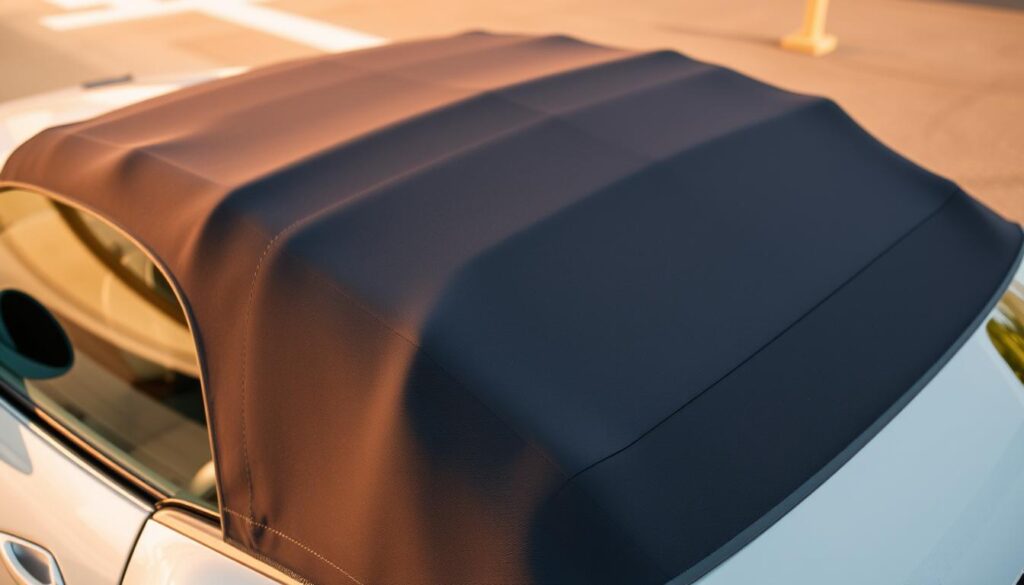
The first step in cleaning your convertible car roof is to perform an initial gentle rinse. This helps remove any loose debris that might be on the surface, reducing the risk of scratching the roof during the cleaning process. Use a soft hose with a spray nozzle set to a wide fan spray to gently rinse the roof.
Applying Cleaning Solution
After the initial rinse, the next step is to apply a convertible roof cleaner. It’s crucial to follow the recommended dilution ratios to avoid damaging the roof material.
Dilution Ratios
Always check the instructions on the cleaning product for the correct dilution ratio. Typically, a mild detergent is mixed with water in a specific ratio, such as 1 part detergent to 3 parts water.
Application Techniques
Use a soft-bristled brush or a cleaning applicator to apply the cleaning solution evenly across the roof. Work in a shaded area to prevent the solution from drying too quickly.
Working in Sections
Divide the roof into sections and clean one section at a time. This ensures a thorough clean and helps prevent the cleaning solution from drying out before it can be rinsed off.
Scrubbing Techniques
When scrubbing the convertible car roof, it’s essential to use the right techniques to avoid damage.
Brush Selection by Material
Choose a brush that is appropriate for your roof’s material. For fabric tops, a soft-bristled brush is recommended, while for vinyl or hardtops, a slightly firmer brush may be used.
| Roof Material | Recommended Brush |
|---|---|
| Fabric/Soft Tops | Soft-bristled brush |
| Vinyl Tops | Medium-bristled brush |
| Hardtop Convertibles | Slightly firmer brush or microfiber cloth |
Pressure Considerations
Be gentle when scrubbing to avoid damaging the roof. Apply enough pressure to clean the surface but avoid scrubbing too hard.
Directional Scrubbing
Always scrub in the recommended direction for your roof type. For most convertibles, scrubbing in a circular motion or following the weave of the fabric is advised.
By following these detailed steps and using the appropriate convertible roof cleaner, you can effectively clean your convertible car roof, maintaining its appearance and prolonging its lifespan. Regular cabriolet roof cleaning is key to keeping your vehicle looking its best.
Tackling Stubborn Stains and Problem Areas
The convertible roof, while beautiful, can be prone to stubborn stains if not properly maintained. These stains can detract from the overall appearance of your vehicle and, if left unchecked, may lead to more serious issues. In this section, we’ll explore how to address some of the most common problem areas.
Mold and Mildew Removal
Mold and mildew are common issues for convertible owners, particularly in humid climates. To remove these unwanted growths, you’ll need to use a specialized cleaning product designed for your roof’s material.
Safe Mildew Treatments
For mildew, a gentle yet effective cleaner is recommended. Products containing mildew-removing agents are ideal. Always follow the manufacturer’s instructions for application and dwell time.
Prevention Strategies
To prevent mildew from returning, ensure your convertible roof is completely dry before storing it. Regular cleaning and applying a waterproofing treatment can also help prevent moisture buildup.
Addressing Discoloration
Discoloration can occur due to various factors, including UV exposure and improper cleaning. To address this, identify the cause and apply a suitable treatment. For instance, a UV protectant can help restore the original color and protect against further fading.
Dealing with Watermarks
Watermarks are another common issue and can be removed using a gentle cleaning solution and a soft cloth. For more stubborn watermarks, a specialized cleaner may be necessary.
By tackling these problem areas effectively, you can maintain your convertible roof’s appearance and extend its lifespan. Regular maintenance, including cleaning and waterproofing, is key to preventing these issues.
Proper Drying Techniques
Proper drying techniques are essential for maintaining the quality and appearance of your convertible roof. After cleaning, it’s crucial to dry your convertible roof properly to prevent water spots and mineral deposits.
Air Drying vs. Towel Drying
The choice between air drying and towel drying depends on the material of your convertible roof and the weather conditions. Air drying is a good option on warm, sunny days, but it may not be effective in cooler or more humid conditions.
Towel drying, on the other hand, allows for more control over the drying process. It’s particularly useful for preventing water spots on fabric or vinyl roofs.
Preventing Water Spots
Preventing water spots is a critical aspect of drying your convertible roof. Using the right techniques and tools can make a significant difference.
Using Microfiber Towels
Microfiber towels are highly recommended for drying convertible roofs because they are gentle and absorbent. They can help prevent scratches and effectively soak up water.
Drying in Shade vs. Sun
Drying your convertible roof in the shade is preferable to drying it in direct sunlight. Shade reduces the risk of water spots forming due to rapid evaporation.
| Drying Method | Advantages | Disadvantages |
|---|---|---|
| Air Drying | Easy, no risk of scratching | May not be effective in humid conditions, risk of water spots |
| Towel Drying | More control, effective in various conditions | Risk of scratching if not done carefully |
Applying Protectants and Waterproofing
The final step in convertible roof maintenance involves applying protectants and waterproofing measures. This crucial step helps safeguard your roof against various environmental factors, ensuring its longevity and maintaining its appearance.
Choosing the Right Protectant
Selecting the appropriate protectant for your convertible roof depends on its material. Different materials require specific types of protectants to be effective.
Fabric Protectants
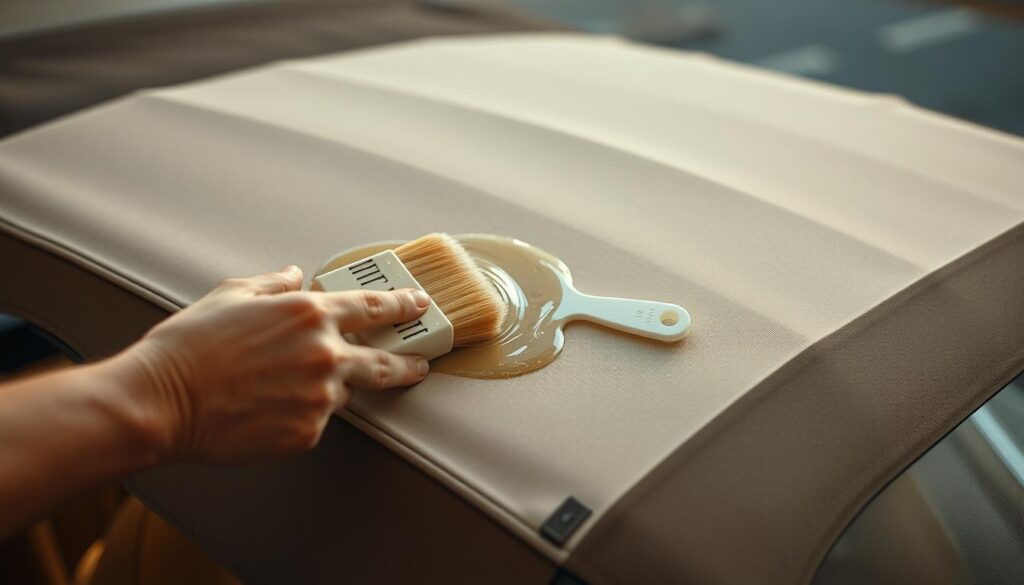
For fabric tops, use a protectant specifically designed for fabrics. These products help repel water and prevent staining.
Vinyl Sealants
Vinyl tops, on the other hand, require vinyl sealants. These sealants protect the vinyl from cracking and fading due to sun exposure.
Application Methods
The method of applying protectants or waterproofing treatments can vary based on the product. Understanding the best application technique is crucial for effectiveness.
Spray vs. Wipe-On Products
Some products are designed to be sprayed on, while others are wipe-on applications. Spray products can cover larger areas more evenly, but wipe-on products allow for more targeted application.
Multiple Coat Applications
Depending on the product, multiple coats may be necessary. Always follow the manufacturer’s instructions for the recommended number of coats.
Curing Time and Conditions
After applying a protectant or waterproofing treatment, it’s essential to allow it to cure under the recommended conditions. This ensures the product works as intended.
Tips for Effective Curing:
- Allow the product to dry completely before exposing the roof to rain or direct sunlight.
- Follow the manufacturer’s guidelines for curing time, which can vary from a few hours to overnight.
- Ensure good ventilation during the curing process to help the product dry evenly.
Maintaining Your Convertible Roof Between Cleanings
Between thorough cleanings, quick maintenance tasks can significantly impact your convertible roof’s longevity. Regular upkeep ensures that your roof remains in good condition, preventing damage and maintaining its appearance.
Quick Spot Cleaning Tips
For daily maintenance, use a soft-bristled brush or a clean, dry cloth to remove loose debris. For tougher spots, a mild soap solution can be used, but be sure to rinse thoroughly to prevent soap residue buildup.
Seasonal Maintenance Schedule
Establishing a seasonal maintenance schedule can help keep your convertible roof in top condition. This includes more thorough inspections and cleanings at the change of seasons.
Spring and Summer Care
During spring and summer, focus on removing pollen and other debris that can accumulate on the roof. Use a convertible roof cleaner that’s designed for your roof type.
Fall and Winter Protection
In fall and winter, protect your roof from leaves and snow. Regularly clear debris, and consider using a waterproofing treatment to prevent water damage.
Storage Recommendations
When storing your convertible, ensure it’s in a dry, cool place. If possible, store it with the roof up to prevent moisture buildup. Use a breathable cover to protect the roof from dust.
| Season | Maintenance Task | Frequency |
|---|---|---|
| Spring/Summer | Clean with convertible roof cleaner | Monthly |
| Fall/Winter | Clear debris and apply waterproofing | Bi-Weekly |
Troubleshooting Common Convertible Roof Issues
Understanding how to identify and address common convertible roof problems can significantly enhance your vehicle’s longevity. Convertible roof maintenance is crucial for ensuring your vehicle remains in top condition.
Addressing Leaks
Leaks are a common issue with convertible roofs. To address them, first identify the source of the leak. Check the seams, zippers, and any areas around the roof that may be damaged. Apply a suitable sealant to the affected area, ensuring it’s clean and dry before application.
Fixing Minor Tears and Damage
For minor tears or damage, consider the following options:
- DIY repair kits available in the market
- Temporary solutions like patches or sealants
DIY Repair Options
DIY repair kits can be effective for minor tears. These kits usually include a patch and adhesive. Clean the area around the tear, apply the adhesive, and press the patch firmly onto the tear.
Temporary Solutions
For temporary fixes, use a waterproof sealant to cover the tear. This will prevent further damage until you can get a professional repair.
When to Seek Professional Help
If the damage is extensive or you’re unsure about how to proceed, it’s best to seek professional help. Professionals can assess the damage and provide a suitable solution, ensuring your convertible roof is properly repaired.
| Issue | DIY Solution | Professional Help |
|---|---|---|
| Minor Leaks | Sealant Application | Recommended for extensive leaks |
| Minor Tears | DIY Repair Kits | Needed for large tears or complex damage |
| Major Damage | Not Recommended | Required for proper repair |
Final Tips for Long-Lasting Convertible Roof Care
To keep your convertible roof in top condition, regular maintenance is crucial. By following the best way to clean a convertible roof, you’ll be able to enjoy a clean and durable roof for years to come.
Regular cleaning, proper drying, and applying protectants are essential steps in maintaining your roof. Additionally, incorporating convertible roof waterproofing into your maintenance routine will help prevent water damage and ensure a watertight seal.
For owners of cabriolet vehicles, it’s essential to be diligent in your roof care. By following the tips outlined in this guide, you’ll be able to maintain a clean, dry, and protected roof, reducing the risk of costly repairs down the line.
By staying on top of maintenance and addressing issues promptly, you’ll be able to enjoy the freedom and style of your convertible with confidence.