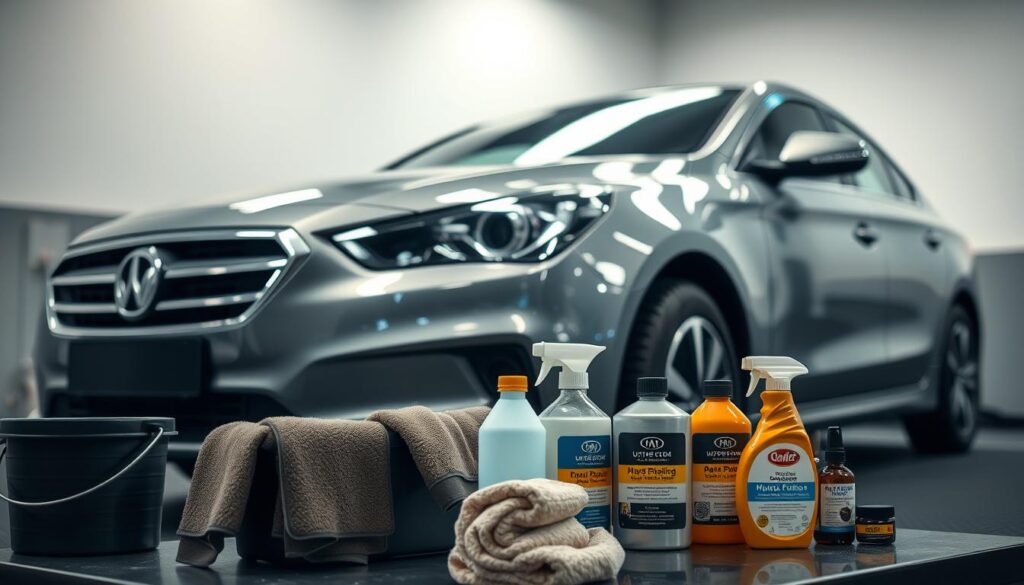
As a car enthusiast, I’ve worked with both liquid and paste wax, and I can attest that understanding their differences is crucial for achieving professional-level car care results!
When it comes to protecting and enhancing your vehicle’s finish, the choice between these two types of wax can be daunting. I’ve been there, too – trying to decide which one to use, and wondering what the real differences are.
Through my experience, I’ve learned that the right wax can make all the difference. Whether you’re looking for ease of application or a longer-lasting finish, knowing the distinction between liquid and paste wax is key to making an informed decision.
Key Takeaways
- Understand the differences between liquid and paste wax to achieve professional-level car care results.
- Choose the right wax based on your specific needs, such as ease of application or durability.
- Liquid wax is often easier to apply, while paste wax provides a longer-lasting finish.
- Consider your vehicle’s finish and your personal preferences when deciding between liquid and paste wax.
- The right wax can enhance your vehicle’s appearance and protect its finish.
Understanding Wax Types and Their Properties
I’ve experimented with both liquid and paste wax, and understanding their properties is key to achieving the best results! The type of wax you choose can significantly impact the outcome of your project, whether it’s for car care or woodworking.
Basic Composition of Liquid Wax
Liquid wax is typically made from a mixture of solvents and waxes. This composition allows it to be easily applied and spread across surfaces. The solvents evaporate quickly, leaving a thin layer of wax that provides a protective barrier. For instance, when I used liquid wax on my car’s paint job, it provided a smooth, glossy finish!
Basic Composition of Paste Wax
Paste wax, on the other hand, has a thicker consistency due to its higher wax content. It is often made from a blend of natural waxes, such as carnauba wax, and sometimes includes additional ingredients like beeswax or synthetic waxes. This composition makes paste wax ideal for applications where a more durable finish is required. I found that using paste wax on my wooden furniture provided a robust layer of protection against scratches and spills.
Key Physical Differences
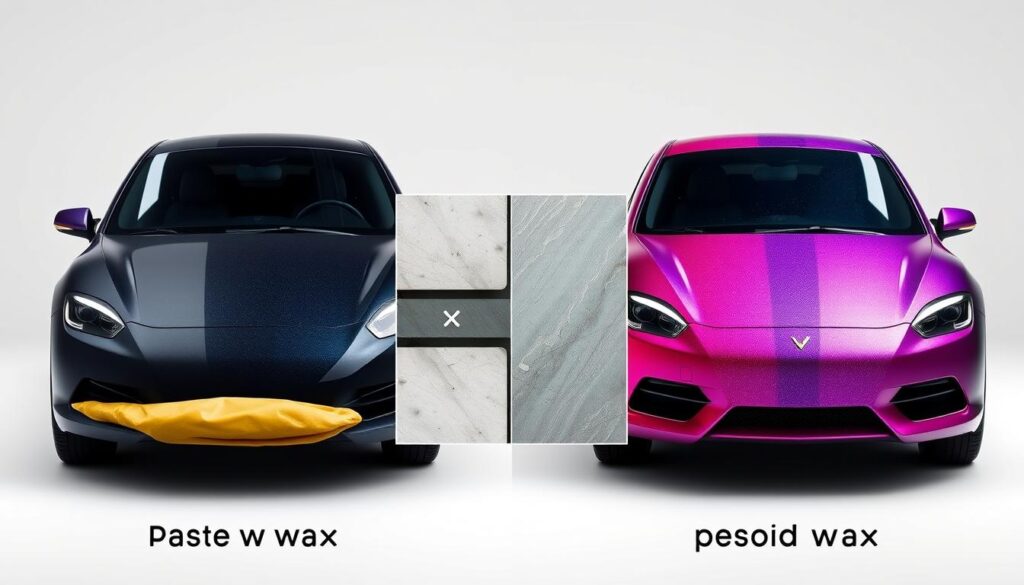
The physical differences between liquid and paste wax are quite noticeable. Liquid wax is more fluid and easier to apply on large, smooth surfaces. In contrast, paste wax is thicker and more suited for detailed work or surfaces that require a more durable finish. To illustrate these differences, let’s take a look at the following comparison:
| Characteristics | Liquid Wax | Paste Wax |
|---|---|---|
| Composition | Mixture of solvents and waxes | Higher wax content, often includes natural waxes |
| Application | Easier on large, smooth surfaces | More suited for detailed work or durable finishes |
| Finish | Thin layer, glossy finish | Thicker layer, robust protection |
For more information on choosing the best car wax, check out this guide on how to choose the best car wax for your. Understanding the properties of different wax types can help you make an informed decision for your specific needs.
Application Methods and Ease of Use
I’ve found that understanding the application methods for liquid and paste wax can make all the difference in achieving a great finish. Whether you’re a seasoned car enthusiast or a DIY beginner, the ease of application is a crucial factor in your waxing experience.
How to Apply Liquid Wax
Tools and Materials Needed
To apply liquid wax, you’ll need a few basic tools: a clean, soft cloth or applicator pad, a microfiber towel for buffing, and, of course, your chosen liquid wax. For more information on selecting the right car wax, you can check out reviews on Automoblog.
Step-by-Step Process
Applying liquid wax is straightforward: simply apply a small amount to your cloth or applicator, work it onto the car’s surface in circular motions, and then buff it out with a microfiber towel. This process is relatively quick and easy, making liquid wax a great choice for those looking for a hassle-free experience.
How to Apply Paste Wax
Tools and Materials Needed
For paste wax, you’ll need a similar set of tools, but you might prefer a more robust applicator pad due to the thicker consistency of paste wax. You can find detailed guides on applying paste wax on sites like Glosswise.
Step-by-Step Process
Applying paste wax requires a bit more elbow grease: apply a small amount to your applicator, work it into the surface in small sections, and then buff it out thoroughly. While it takes more effort, many find the results well worth it.
Time and Effort Comparison
When comparing liquid and paste wax, the time and effort required for application are significant factors. Liquid wax is generally quicker to apply and buff out, making it ideal for those short on time or preferring a simpler process. On the other hand, paste wax, while more labor-intensive, can provide a more durable finish that many consider worth the extra effort.
Liquid vs Paste Wax: Durability and Protection
In my experience, the durability and protection offered by liquid wax and paste wax are critical factors that determine their effectiveness. When choosing between these two types of wax, it’s essential to consider how well they withstand various environmental conditions and how long they provide protection.
Weather Resistance Comparison
Liquid wax and paste wax have different weather resistance capabilities. Paste wax generally offers superior weather resistance due to its thicker consistency, which provides a more robust barrier against the elements. For instance, paste wax is often praised for its ability to protect outdoor furniture and cars exposed to harsh weather conditions. On the other hand, liquid wax, while easier to apply, may not offer the same level of protection against extreme weather conditions. For more information on paint protection in harsh weather, you can visit Glosswise.
Longevity of Protection
The longevity of protection is another critical aspect to consider. Paste wax tends to last longer than liquid wax because of its durable composition. It can provide protection for several months, depending on the environmental conditions. Liquid wax, while convenient, may need to be reapplied more frequently to maintain its protective qualities. According to a comprehensive guide on car wax protection, the longevity of wax protection can significantly impact the overall maintenance of your vehicle (Zoom Auto Protect).
UV Protection Capabilities
Both liquid and paste wax offer UV protection, but the effectiveness can vary. Paste wax generally provides a stronger barrier against UV rays due to its thicker application. This makes it an excellent choice for surfaces exposed to direct sunlight. Liquid wax also offers UV protection, though it may not be as effective as paste wax in extreme conditions. Nonetheless, it’s still a viable option for those seeking a balance between ease of application and protection.
Best Applications for Different Surfaces
I’ve found that the right wax can make all the difference in protecting and enhancing various surfaces. Whether you’re a car enthusiast, a woodworking hobbyist, or a homeowner looking to protect your floors, understanding the best applications for liquid and paste wax is crucial.
Automotive Applications
When it comes to cars, the choice between liquid and paste wax often depends on the desired finish and the level of protection needed. Liquid wax is generally easier to apply and can provide a quick, glossy finish.
Best Liquid Wax for Cars
For most cars, a high-quality liquid wax like Meguiar’s Ultimate Liquid Wax is an excellent choice. It provides a deep, wet shine and is relatively easy to apply.
When to Choose Paste Wax for Vehicles
Paste wax, on the other hand, offers longer-lasting protection and can be used on cars that are exposed to harsh weather conditions. It’s ideal for classic cars or vehicles that are stored outdoors.
Woodworking Applications
For woodworking projects, the choice between liquid and paste wax depends on the type of wood and the desired finish. Liquid wax is often preferred for intricate or detailed work, while paste wax is better suited for larger, flat surfaces.
| Application | Liquid Wax | Paste Wax |
|---|---|---|
| Intricate Details | Easy to apply | Difficult to apply |
| Large Flat Surfaces | May require multiple coats | Provides thick, even coverage |
Floor Protection and Maintenance
For floors, both liquid and paste wax can be effective, depending on the type of flooring and the level of foot traffic. Liquid wax is often used on hardwood floors for its ease of application and quick drying time.
In conclusion, the best wax for different surfaces depends on the specific application and the desired outcome. By choosing the right type of wax, you can ensure that your surfaces are well-protected and look their best.
Cost Considerations and Value Analysis
As I delve into the world of waxing, I’ve come to realize that cost considerations play a significant role in deciding between liquid and paste wax. When evaluating the best wax for your needs, it’s essential to consider not just the initial cost, but also the long-term value and efficiency of the product.
Initial Investment Comparison
The initial cost of liquid wax versus paste wax can vary significantly. Generally, liquid wax is cheaper upfront, making it an attractive option for those on a budget. However, it’s crucial to consider the concentration of the wax and how it is diluted, as this can affect the overall cost-effectiveness.
In contrast, paste wax often comes with a higher initial price tag. Yet, its durability and longevity can offset the initial cost over time. I’ve found that while the upfront cost is important, it’s equally vital to consider how long the wax lasts and how often it needs to be reapplied.
Coverage and Usage Efficiency
When it comes to coverage, liquid wax tends to be more efficient, as it can be easily spread over larger areas. This makes it particularly suitable for bigger projects or for those who need to cover extensive surfaces.
Paste wax, on the other hand, is more labor-intensive to apply but offers a thicker layer of protection. This can be advantageous for areas that require extra protection, such as high-wear surfaces or those exposed to harsh weather conditions.
Long-term Value Assessment
Assessing the long-term value of liquid versus paste wax involves considering both the durability of the wax and its protective capabilities. While liquid wax may need to be reapplied more frequently, its ease of application can make it a convenient choice for regular maintenance.
Paste wax, with its longer-lasting protection, may offer better value in the long run, especially for surfaces that are not frequently maintained. Ultimately, the choice between liquid and paste wax should be based on your specific needs, the surface being protected, and your maintenance schedule.
By weighing these factors, you can make an informed decision that balances cost, convenience, and protection, ensuring that your investment in wax provides the best possible value over time.
Conclusion: Choosing the Right Wax for Your Needs
As I’ve explored the differences between liquid and paste wax, it’s clear that each has its own strengths and ideal applications. When deciding how to choose between liquid and paste wax, consider your specific needs and preferences. If you’re looking for ease of application and a quick shine, liquid wax might be the way to go. On the other hand, if you’re seeking durability and a longer-lasting protective layer, paste wax is likely your best bet.
The difference between liquid and paste wax ultimately comes down to the level of protection and finish you desire. For those who want a straightforward, easy-to-apply solution, liquid car wax is a great option. However, for those willing to invest a bit more time and effort, liquid car wax vs paste comparisons often favor paste wax for its superior durability and UV protection.
By weighing factors such as application ease, durability, and cost, you can make an informed decision that suits your specific requirements. Whether you’re a car enthusiast or an everyday driver, choosing the right wax can help you achieve professional-level results and keep your vehicle looking its best.