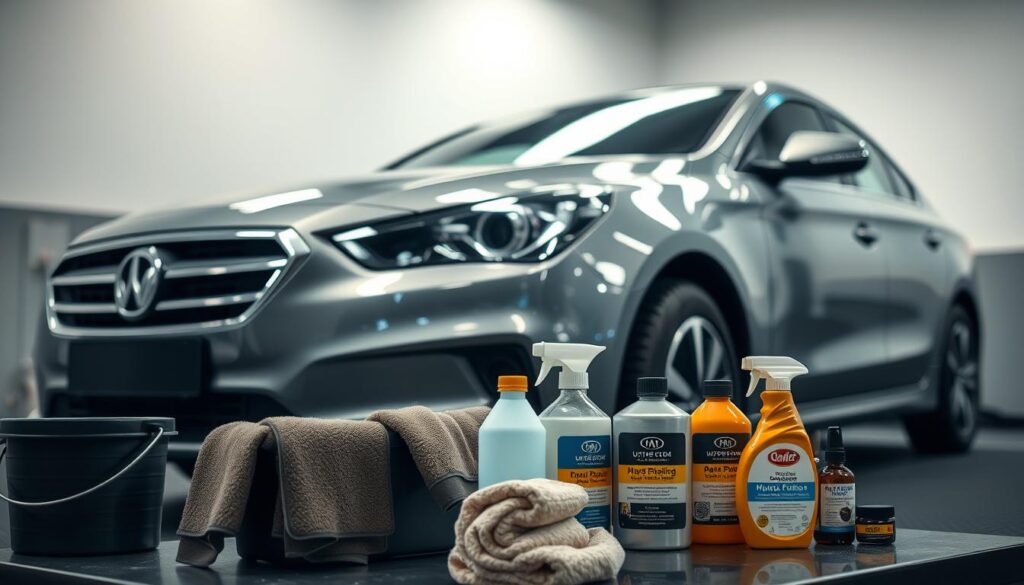
Are you tired of those pesky hard water spots ruining your car’s shine, bro?
You’re not alone! These spots can be a real pain, but with the right product, you can blast them away and restore that showroom look. So, what’s the best way to get rid of them?
Let’s face it, hard water spots are a hassle. But don’t worry, we’ve got you covered. In this article, we’ll dive into the world of hard water spot remover and find out the best hard water spot cleaner for your ride.
Key Takeaways
- Identify the cause of hard water spots on your car.
- Learn how to choose the best hard water spot remover.
- Discover the top products for removing hard water spots.
- Understand the importance of using the right product for your car’s finish.
- Get tips on how to prevent hard water spots from forming again.
Understanding Hard Water Spots and Their Impact
Let’s dive into the world of hard water spots and uncover the mystery behind these pesky marks. Hard water contains minerals like calcium and magnesium, which leave behind spots when water evaporates.
These spots can etch into various surfaces, including car paint, glass, and even household fixtures. Knowing what’s behind these spots is key to tackling them effectively.
What Causes Hard Water Spots
Hard water spots are caused by the minerals present in hard water. When water evaporates, these minerals are left behind, forming unsightly spots. The main culprits are:
- Calcium – a common mineral found in hard water
- Magnesium – another mineral that contributes to hard water spots
- Other minerals that can leave behind deposits
Common Surfaces Affected by Hard Water Spots
Hard water spots can affect a variety of surfaces, including:
- Car paint – where spots can etch into the clear coat
- Glass surfaces – like windows and mirrors
- Household fixtures like sinks and toilets
- Outdoor surfaces like driveways and patios
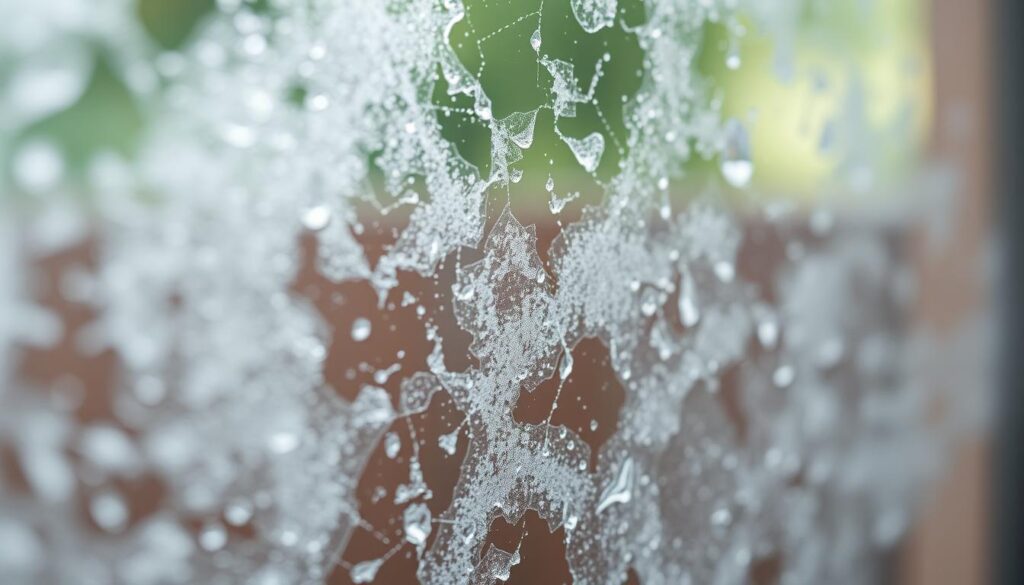
By understanding the causes and common surfaces affected, you can take the first step towards removing hard water spots. Whether you’re dealing with car paint or household fixtures, knowing what’s behind these spots is crucial to effective removal.
Types of Hard Water Spots and Their Severity
Not all hard water spots are created equal – some are a breeze to remove, while others require some serious elbow grease. You’ve got to understand the different types and their severity to tackle them effectively.
Fresh Water Spots vs. Etched Water Spots
Fresh water spots are the ones that have just formed, and they’re relatively easy to remove. They’re like the new kids on the block, and they haven’t had a chance to cause too much damage yet. On the other hand, etched water spots are the old-timers – they’ve been around for a while, and they’ve had time to etch themselves into the surface. These are tougher to remove and may require some professional hard water spot removal techniques.
Etched water spots are like the annoying cousins at the family reunion – they’re hard to get rid of, and they just keep coming back. They require some serious TLC, and maybe even some specialized products or techniques.
Assessing the Damage Level
Before you can get rid of water spots on car surfaces, you’ve got to assess the damage level. Take a closer look at the spots – are they just on the surface, or have they penetrated deeper? Are they just a few isolated spots, or are they widespread?
- Check the surface: Is it rough, or is it smooth?
- Look for etching: Is the spot just on the surface, or has it etched into the material?
- Check the number of spots: Are there just a few, or are they covering a large area?
By assessing the damage level, you can determine the best course of action for removal. Whether it’s a simple hard water spot treatment or something more involved, knowing what you’re up against is key to success.
Commercial Products for Hard Water Spots Removal
If you’re struggling with hard water spots, you’re in luck because there are many effective products on the market. Whether you’re a DIY enthusiast or prefer professional-grade solutions, we’ve got you covered.
Acidic Cleaners and Descalers
Acidic cleaners and descalers are some of the most effective products for removing hard water spots. These products work by breaking down the mineral deposits that cause the spots. When using acidic cleaners, make sure to follow the instructions carefully and wear protective gloves.
Some popular acidic cleaners include products containing citric acid or vinegar. These ingredients are gentle on surfaces yet tough on mineral deposits.
Specialty Automotive Water Spot Removers
For car enthusiasts, specialty automotive water spot removers are a game-changer. These products are specifically designed to remove water spots from automotive surfaces without damaging the paint or clear coat.
One highly recommended product is the Strike Out Water Spot Remover. It’s a powerful formula that effectively removes water spots without leaving any residue.
Glass and Window Cleaning Solutions
For glass and window surfaces, you’ll want to use a product that’s specifically designed for these areas. Glass and window cleaning solutions are usually ammonia-based or contain surfactants that help break down mineral deposits.
When choosing a glass and window cleaning solution, look for products that are streak-free and leave no residue.
Bathroom and Kitchen Surface Products
For bathroom and kitchen surfaces, you’ll want to use products that are designed for these areas. These products are usually formulated to tackle soap scum, grime, and mineral deposits.
Here’s a comparison table of popular products for removing hard water spots from different surfaces:
| Product Type | Surface | Key Ingredients | Effectiveness |
|---|---|---|---|
| Acidic Cleaner | Multiple | Citric Acid, Vinegar | High |
| Automotive Water Spot Remover | Automotive | Specialty Surfactants | High |
| Glass and Window Cleaner | Glass, Windows | Ammonia, Surfactants | Medium |
| Bathroom and Kitchen Cleaner | Bathroom, Kitchen | Detergents, Acidic Ingredients | High |
DIY Solutions for Removing Hard Water Spots
Say goodbye to hard water spots with these simple, eco-friendly DIY solutions. You don’t need to break the bank or expose your surfaces to harsh chemicals to get the job done. Sometimes, all it takes are a few household items to restore your car’s or home’s surfaces to their former glory.
Vinegar-Based Solutions
Vinegar is a powerhouse when it comes to removing hard water spots. Its acidity helps dissolve mineral deposits, making it easier to wipe away those pesky spots. To use vinegar, mix it with water in a spray bottle – a 1:1 ratio is a good starting point. Spray the solution onto the affected area, let it sit for a few minutes, and then wipe it clean with a microfiber cloth.
- Eco-friendly and non-toxic, making it safe for most surfaces.
- Cost-effective – you’ve likely got vinegar in your pantry already.
- Versatile – can be used on a variety of surfaces, from glass to metal.
Lemon Juice and Baking Soda Methods
Lemon juice and baking soda are another dynamic duo for tackling hard water spots. The citric acid in lemon juice helps break down mineral deposits, while baking soda acts as a gentle abrasive to remove stubborn spots. Make a paste by mixing lemon juice and baking soda, apply it to the spot, and let it sit before rinsing off.
Club Soda and Other Household Remedies
Club soda is another surprising solution for hard water spots. Its carbonation helps lift mineral deposits, making it easier to remove spots. Simply pour some club soda onto a cloth and rub the affected area gently. Other household items like toothpaste (for small spots on glass) or a mixture of equal parts water and CLR (for tougher spots on metal or porcelain) can also be effective.
- Quick fix – often works on the spot (pun intended).
- Gentle – many of these remedies are gentle enough for delicate surfaces.
- Readily available – you’ve likely got some of these items in your kitchen or pantry.
By incorporating these DIY solutions into your cleaning routine, you’re not only saving money and reducing your environmental footprint, but you’re also taking a proactive step towards preventing hard water spots from forming in the first place. Regular maintenance with these eco-friendly methods can keep your surfaces looking their best.
How to Remove Hard Water Spots from Different Surfaces
Whether it’s your car’s paint job or your shower door, hard water spots can be a nuisance – but they’re not invincible. Different surfaces require different techniques to remove these unsightly spots, and we’re here to guide you through the process.
Automotive Surfaces
Your car’s finish is one of the most common places you’ll encounter hard water spots. Here’s how to tackle them:
Paint and Clear Coat Protection
To buff out water spots on your car, you’ll need a gentle touch and the right products. Start with a thorough wash, then use a product specifically designed for removing water spots. If the spots are particularly stubborn, you might need to use a clay bar to remove mineral deposits.
- Use a microfiber cloth to avoid scratching the paint.
- Apply a water spot remover according to the product’s instructions.
- Follow up with a protective wax or sealant to prevent future spots.
Windows, Windshields, and Headlights
For glass surfaces, a mixture of white vinegar and water can be effective. Spray the solution onto the water spots, let it sit for a few minutes, and then wipe clean with a microfiber cloth.
- Mix equal parts vinegar and water in a spray bottle.
- Spray the solution onto the water spots.
- Wipe clean with a microfiber cloth.
Home Fixtures
Hard water spots aren’t just a problem for your car; they can also mar the surfaces in your home.
Shower Doors and Bathroom Tiles
For glass shower doors, a product containing ammonia can help dissolve mineral deposits. For tiles, a paste made from baking soda and water can be effective.
- Apply the ammonia-based cleaner to the glass and let it sit.
- Scrub the tiles gently with the baking soda paste.
- Rinse thoroughly to prevent residue buildup.
Kitchen Appliances and Sinks
For stainless steel appliances and sinks, a gentle cleanser and a soft cloth can remove water spots. For more stubborn spots, a mixture of lemon juice and baking soda can help.
- Wipe down the surface with a gentle cleanser.
- For tough spots, apply a paste made from lemon juice and baking soda.
- Rinse and dry to prevent water spots from reforming.
Outdoor Surfaces
Outdoor surfaces like pool areas, decking, and patio furniture can also fall victim to hard water spots.
Pool Areas and Decking
For concrete and decking, a pressure washer can be effective at removing water spots. For more delicate surfaces, a gentle cleanser and a soft-bristled brush can help.
- Use a pressure washer on robust surfaces.
- For delicate surfaces, gently scrub with a soft-bristled brush.
- Rinse thoroughly to remove any cleanser residue.
Patio Furniture and Fixtures
For metal and glass patio furniture, a gentle cleanser and a microfiber cloth can remove water spots. Regular cleaning can help prevent spots from forming in the first place.
- Wipe down furniture with a gentle cleanser.
- Dry thoroughly to prevent water spots.
- Consider applying a protective coating to make future cleaning easier.
By following these tips, you can get rid of water spots on your car and other surfaces, keeping them looking their best. Regular maintenance is key to hard water spot prevention.
Preventing Hard Water Spots Before They Form
The best offense against hard water spots is a good defense – prevention! By taking proactive steps, you can save yourself the hassle of dealing with these unsightly spots down the line. Let’s dive into the most effective ways to keep hard water spots at bay.
Water Softening Systems and Filters
One of the most effective ways to prevent hard water spots is by installing a water softening system or using filters that reduce mineral content in the water. This can significantly decrease the likelihood of spots forming on your car’s surface or home fixtures. For instance, a whole-house water softener can be a game-changer, especially if you live in an area with very hard water.
- Reduces mineral deposits
- Lessens the risk of water spots
- Beneficial for overall household water quality
Protective Coatings, Waxes, and Sealants
Applying protective coatings, waxes, or sealants to surfaces can create a barrier that makes water bead up and roll off, reducing the chance of water spots. For automotive surfaces, consider using a high-quality paint protection product. For home fixtures, regular waxing or sealing can keep surfaces looking new.
- Enhanced surface protection
- Easier maintenance and cleaning
- Long-lasting shine and finish
Regular Maintenance and Quick-Drying Techniques
Regular maintenance is crucial in preventing hard water spots. This includes frequent washing and drying of surfaces, especially after exposure to hard water. Quick-drying techniques, such as using a microfiber towel or chamois, can be highly effective. For outdoor surfaces, ensuring proper drainage can also prevent water from pooling and leaving spots.
- Wash surfaces regularly with a mild detergent
- Dry surfaces thoroughly, paying extra attention to areas prone to water spotting
- Use a water-repelling product to enhance drying
By implementing these strategies, you can significantly reduce the occurrence of hard water spots, keeping your car, home, and outdoor surfaces looking their best. Prevention is indeed the best medicine when it comes to hard water spots – it’s easier, less costly, and less stressful than removal.
Conclusion
Now that you’ve learned how to tackle hard water spots, it’s time to put these tips into action. Whether you’re dealing with stubborn spots on your car’s surface or around the house, using the right hard water spot remover is key.
Prevention is just as important as removal – consider investing in a water softening system or applying protective coatings to make future cleaning a breeze. By taking these steps, you’ll be well on your way to preventing hard water spots from forming in the first place.
So, go ahead and give your ride or home that spot-free shine. With the right techniques and products, you’ll be enjoying a water spot-free surface in no time. Happy detailing, bro!