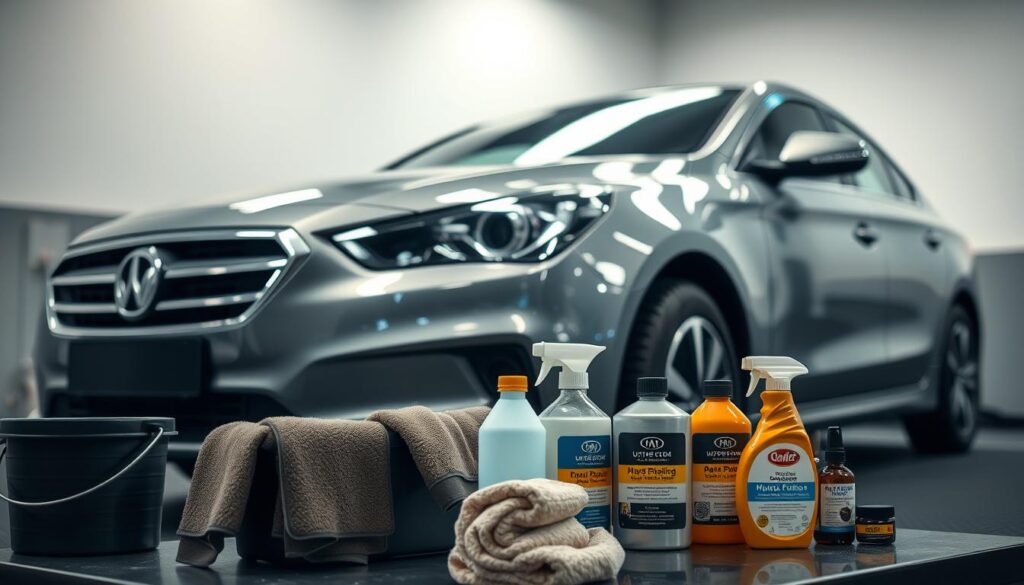
A vehicle’s appearance is significantly impacted by its paint condition. Surprisingly, a well-maintained paint job can increase a car’s resale value by thousands of dollars. However, imperfections such as scratches and swirl marks are common issues that detract from a vehicle’s aesthetic appeal.
Paint correction is a meticulous process designed to restore a vehicle’s paintwork to its original condition by removing imperfections. As an expert in the field, I’ve seen firsthand the transformative power of paint correction in enhancing a vehicle’s appearance and protecting its surface.
Key Takeaways
- Paint correction enhances a vehicle’s aesthetic appeal.
- The process involves evaluating and correcting paintwork imperfections.
- Techniques include wet sanding, dual action polishing, and rotary polishing.
- Proper paint correction increases a vehicle’s resale value.
- Regular maintenance is crucial for long-term paintwork protection.
What Is Paint Correction: Understanding the Basics
The basics of paint correction are fundamental knowledge for those who care about their vehicle’s appearance. Paint correction is a meticulous process aimed at restoring a vehicle’s paintwork to its original condition by removing imperfections such as swirl marks, scratches, and oxidation.
Common Paint Imperfections and Damage
Vehicles are prone to various paint imperfections due to daily wear and tear, environmental factors, and improper care. Understanding these imperfections is crucial for effective paint correction.
Swirl Marks, Scratches, and Oxidation
Swirl marks are circular scratches that appear on the paint surface, often caused by improper washing techniques. Scratches can result from a variety of sources, including branches, keys, and other sharp objects. Oxidation occurs when the paint is exposed to UV rays, leading to a dull, faded appearance.
Water Spots and Chemical Etching
Water spots are mineral deposits left behind when water evaporates, potentially etching into the paint if not addressed. Chemical etching occurs when the paint comes into contact with harsh chemicals, causing damage and discoloration.
How Paint Correction Differs from Regular Detailing
While regular detailing focuses on maintaining the vehicle’s appearance through cleaning and protecting the paint, paint correction is a more intensive process that involves removing imperfections to restore the paint’s original finish. Unlike detailing, paint correction requires specialized tools and techniques.
When Your Vehicle Needs Paint Correction
If your vehicle shows signs of swirl marks, scratches, or oxidation, it may be in need of paint correction. Regular inspections can help identify these issues early, preventing further damage.
| Imperfection | Cause | Correction Method |
|---|---|---|
| Swirl Marks | Improper washing | Machine polishing |
| Scratches | Sharp objects | Paint touch-up or compounding |
| Oxidation | UV exposure | Polishing and protective coating |
Understanding the importance of paint correction and recognizing when your vehicle needs it can significantly enhance its appearance and longevity.
The Benefits of Paint Correction for Your Vehicle
By investing in paint correction, car owners can enjoy a range of benefits that enhance their vehicle’s appearance and longevity. Paint correction is a meticulous process that not only improves the aesthetic appeal of your vehicle but also provides long-term protection for its paint.
Restoring Factory Finish and Gloss
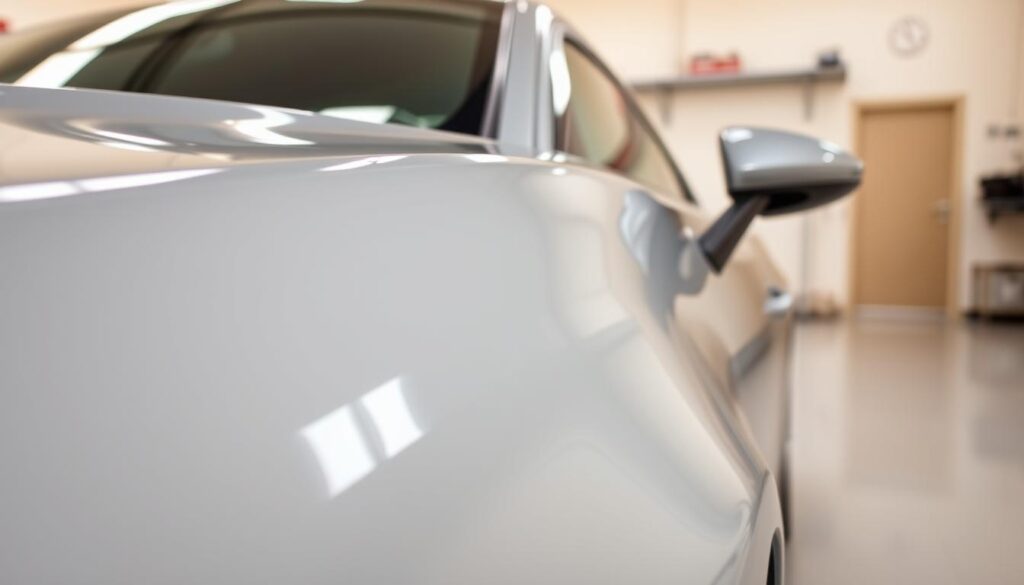
One of the primary benefits of paint correction is the restoration of a vehicle’s factory finish and gloss. Through the use of advanced techniques and specialized equipment, paint correction can remove imperfections such as scratches and swirl marks, revealing a smooth, glossy finish that looks like new.
Increasing Vehicle Value and Appearance
A well-maintained vehicle with a flawless paint job can significantly increase its value and appeal. Paint correction enhances the overall appearance of your car, making it stand out and potentially increasing its resale value. A vehicle that looks well-cared for can command a higher price in the market.
Long-term Paint Protection Advantages
Paint correction is not just about aesthetics; it also offers long-term protection for your vehicle’s paint. By removing contaminants and imperfections, paint correction helps prevent damage from environmental factors, reducing the need for frequent touch-ups and maintaining the paint’s integrity over time.
The importance of paint correction lies in its ability to restore, enhance, and protect your vehicle’s paint, making it a valuable investment for any car owner.
Essential Tools and Products for Effective Paint Correction
Effective paint correction is contingent upon having the correct tools and products at your disposal. As a detailer, I’ve learned that using the right equipment not only enhances the quality of the correction but also makes the process more efficient.
Polishing Machines: Rotary vs. Dual Action
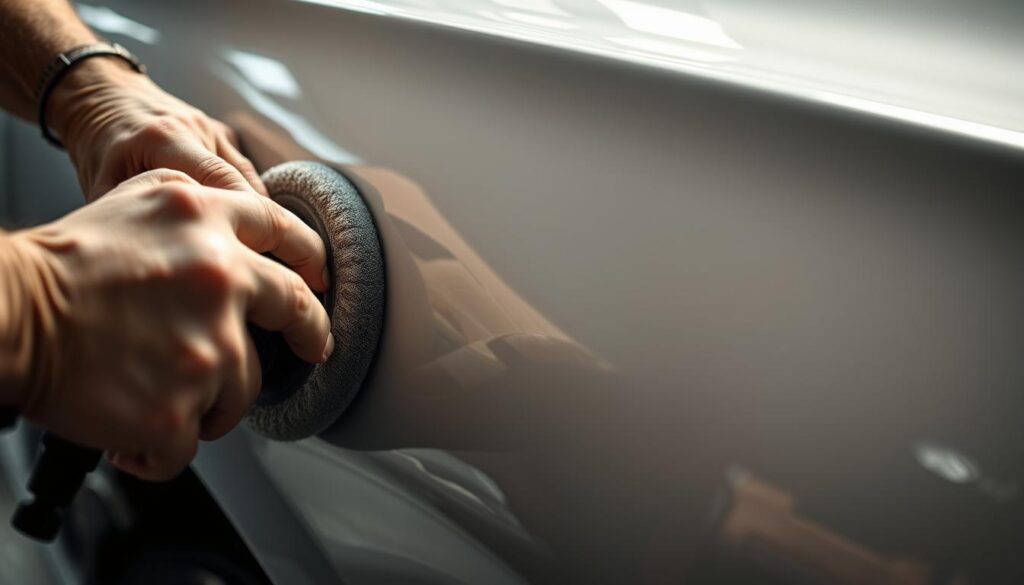
When it comes to polishing machines, there are two main types: rotary and dual-action. Rotary polishers are powerful and often used for heavy correction work. They rotate in a single direction, which can be effective but also risky if not used correctly, as they can generate a lot of heat and potentially damage the paint. Dual-action polishers, on the other hand, are safer and more versatile. They oscillate and rotate, providing a more controlled correction process that’s less likely to cause damage. For most paint correction tasks, a dual-action polisher is recommended, especially for those new to paint correction.
Compounds, Polishes, and Pads Explained
The compounds, polishes, and pads used in paint correction are just as important as the machine. Compounds are abrasive and used to cut through imperfections, while polishes are finer and used to refine the finish. Pads are the interface between the machine and the compound or polish, and they come in various types and densities.
Cutting Compounds vs. Finishing Polishes
Cutting compounds are designed to aggressively remove imperfections, whereas finishing polishes are used to refine the paint surface, removing minor scratches and haze left by cutting compounds. Understanding when to use each is crucial for achieving a flawless finish.
Pad Types and Their Applications
The type of pad used can significantly affect the outcome of the paint correction. Different pads are designed for specific tasks, from heavy cutting to fine polishing. For instance, wool pads are more aggressive and used with cutting compounds, while foam pads are used for polishing and finishing.
Lighting and Inspection Tools
Proper lighting and inspection tools are critical for evaluating the paint’s condition and the effectiveness of the correction process. Good lighting helps identify imperfections that are otherwise hard to see. Inspection tools, such as a paint thickness gauge, can help assess the paint’s condition and ensure that the correction process doesn’t damage it. For more information on the paint correction process, you can visit obsessedgarage.com or glosswise.com for detailed guides and resources.
Paint Correction Techniques and Methods
Mastering paint correction techniques is essential for achieving a flawless finish on your vehicle. As a car enthusiast, understanding the various methods available can help you make informed decisions about how to restore your vehicle’s original shine.
Single-Stage Correction Process
A single-stage correction process involves using a single compound or polish to address minor paint imperfections. This method is ideal for vehicles with light to moderate paint defects, such as minor scratches or swirl marks. By using a dual-action polisher with the appropriate pad and compound, you can effectively remove imperfections and achieve a high-gloss finish.
Multi-Stage Correction for Severe Imperfections
For vehicles with more severe paint imperfections, a multi-stage correction process is often necessary. This involves a combination of different compounds, polishes, and pads, applied in stages to gradually refine the paint surface. The process typically begins with a coarse compound to remove deep scratches or defects, followed by progressively finer polishes to refine the finish. Different levels of paint correction may be required depending on the severity of the imperfections.
Spot Correction Techniques
Spot correction techniques are used to address isolated paint defects, such as deep scratches or blemishes. This targeted approach allows you to correct specific areas without affecting the surrounding paint.
Dealing with Deep Scratches
Deep scratches require careful attention to avoid further damaging the surrounding paint. By using a graduated approach, starting with a coarse compound and progressing to finer polishes, you can effectively remove the scratch and blend the area with the surrounding paint.
Addressing Isolated Defects
Isolated defects, such as blemishes or minor dents, can be addressed using spot correction techniques. By applying a targeted correction process, you can restore the affected area to its original condition, ensuring a seamless blend with the surrounding paint.
| Correction Technique | Description | Best For |
|---|---|---|
| Single-Stage | Uses a single compound or polish | Minor paint imperfections |
| Multi-Stage | Combines different compounds and polishes | Severe paint imperfections |
| Spot Correction | Targets isolated paint defects | Deep scratches, blemishes |
DIY Paint Correction: Step-by-Step Guide
Embarking on a DIY paint correction journey requires patience, the right tools, and a clear understanding of the process. As a car enthusiast, taking on this project can be both challenging and rewarding. With the correct techniques and a bit of practice, you can achieve professional-level results.
Preparation and Surface Cleaning
Before starting the paint correction process, it’s essential to thoroughly clean the vehicle’s surface. This involves washing the car with a high-quality car shampoo, followed by a clay bar treatment to remove any embedded contaminants. Proper surface preparation is crucial for effective paint correction.
Testing and Working in Sections
It’s advisable to test your polishing compounds and techniques on a small, inconspicuous area first. Once you’re confident in your approach, divide the vehicle’s surface into sections, working on one area at a time to maintain evenness and avoid missing spots. This method ensures a uniform finish across the vehicle.
Machine Techniques and Pressure Control
Using the right machine technique is vital for successful DIY paint correction. Start with a dual-action polisher, which is more forgiving for beginners. Apply moderate pressure, allowing the machine to do the work without applying too much force, which can lead to swirl marks or damage the paint.
Finishing Touches and Protection
After completing the paint correction process, inspect the vehicle’s surface under different lighting conditions to ensure the desired results. Apply a sealant or ceramic coating to protect the paint and enhance its gloss. These products provide a durable barrier against environmental elements.
Applying Sealants and Ceramic Coatings
When applying sealants or ceramic coatings, follow the manufacturer’s instructions carefully. Ensure the surface is clean and free of any polish residue before application. This step is crucial for the longevity of the coating.
Maintenance Recommendations
To maintain the results of your DIY paint correction, regular washing with a pH-balanced shampoo is recommended. Avoid using automatic car washes with brushes, as they can scratch the paint. Regular maintenance will help preserve the vehicle’s appearance and the protective coating.
By following this step-by-step guide, you can achieve a showroom-quality finish on your vehicle. Remember, patience and attention to detail are key to successful DIY paint correction.
Conclusion: Elevating Your Vehicle’s Appearance Through Paint Correction
Understanding what is auto paint correction and what is a paint correction can significantly enhance your vehicle’s appearance and maintain its value. By applying the techniques and knowledge learned in this article, you can restore your vehicle’s factory finish and gloss, increasing its overall value and appearance.
The benefits of paint correction are numerous, from long-term paint protection advantages to a showroom-quality finish. As a car enthusiast, investing time and effort into paint correction can be a rewarding experience, resulting in a vehicle that looks like new.
By following the step-by-step guide and using the right tools and products, you can achieve professional-level results. Paint correction benefits not only the vehicle’s appearance but also its overall condition, making it a worthwhile investment for any car owner.