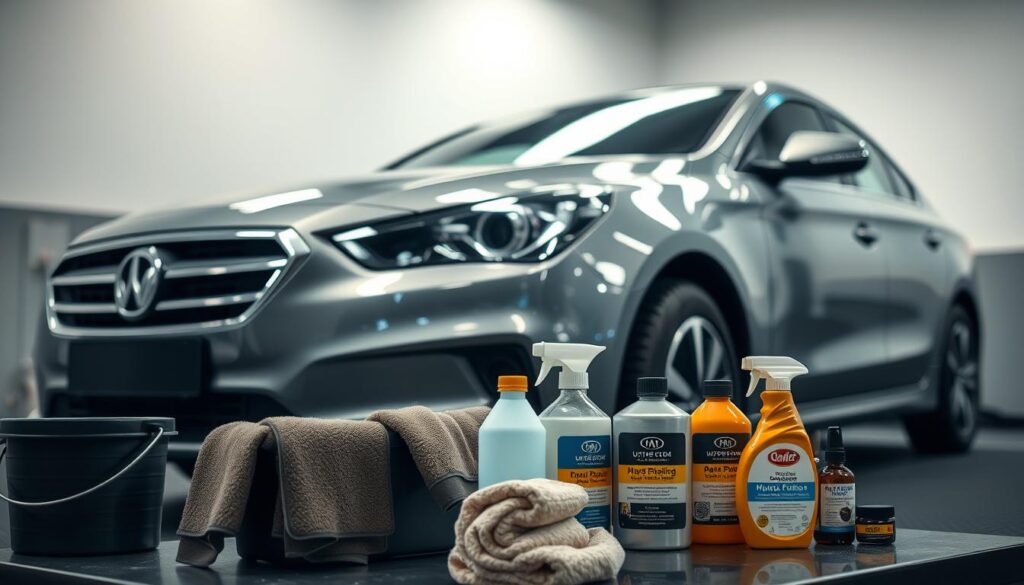
Are you tired of watching your vehicle’s paint job deteriorate over time? Exposure to harsh weather conditions, UV rays, and contaminants can damage your car’s appearance. This is where advantages of ceramic coating come into play, offering a protective layer that shields your vehicle from these elements.
Ceramic coating is a liquid polymer applied to your vehicle’s paint, creating a durable barrier against environmental factors. By doing so, it maintains your car’s glossy finish and makes future cleaning easier. The benefits of ceramic coating include enhanced protection and a reduction in the need for frequent waxing.
Key Takeaways
- Provides a protective layer against environmental elements
- Maintains the vehicle’s glossy finish
- Eases the cleaning process
- Reduces the need for frequent waxing
- Offers long-lasting protection
What Is Ceramic Coating? Understanding the Science Behind It
At its core, ceramic coating is a nanotechnology-based solution designed to protect and enhance vehicle paint. This advanced protective layer has gained popularity among vehicle owners seeking superior protection against environmental contaminants and UV damage.
The Chemical Composition of Ceramic Coatings
Ceramic coatings are primarily composed of silicon dioxide (SiO2), also known as silica, and other key ingredients that provide a robust protective barrier.
Silica Dioxide and Other Key Ingredients
The silica dioxide in ceramic coatings forms a hard, durable layer that resists scratches and chemical damage. Other ingredients may include titanium dioxide (TiO2) for added UV protection and various polymers to enhance adhesion and flexibility.
How Ceramic Coating Bonds with Your Vehicle’s Paint
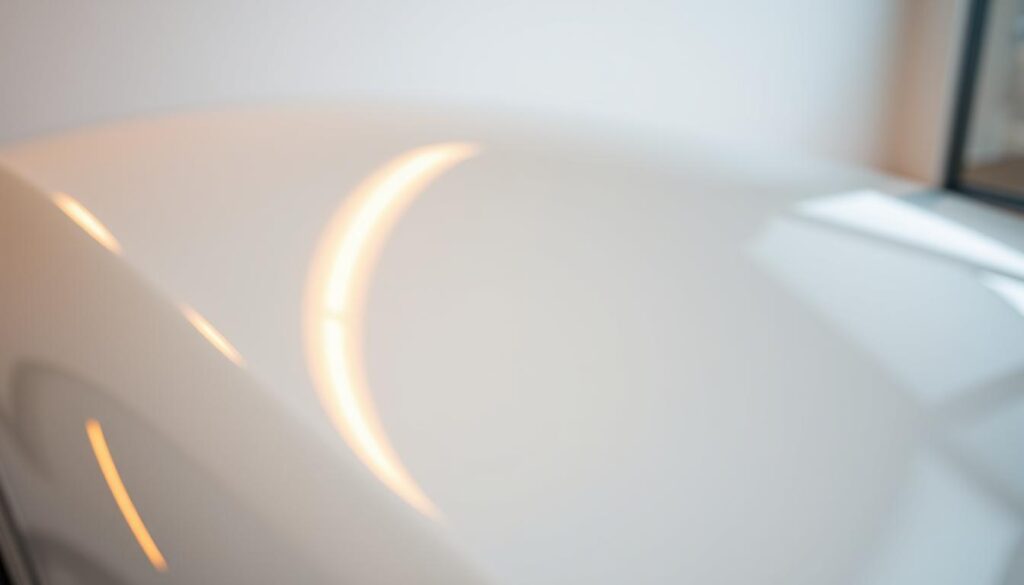
The bonding process between ceramic coating and vehicle paint is crucial for its effectiveness. When applied correctly, the ceramic coating forms a strong chemical bond with the paint, creating a durable protective layer.
The Curing Process Explained
After application, the ceramic coating undergoes a curing process, during which it hardens and forms a strong bond with the paint. This process can be accelerated using specialized equipment or may occur naturally over time, depending on the product and environmental conditions.
Key benefits of this bonding process include:
- Enhanced durability
- Improved chemical resistance
- Long-lasting protection
The Advantages of Ceramic Coating for Vehicle Protection
The application of ceramic coating on vehicles provides a robust shield against various environmental factors. This advanced protective layer is designed to safeguard the vehicle’s paint and exterior surfaces from damage caused by contaminants, UV rays, and chemical substances.
Superior Paint Protection Against Environmental Contaminants
Ceramic coating offers exceptional protection against environmental contaminants, including dirt, dust, and pollutants that can damage a vehicle’s paint over time. Its hydrophobic properties help in repelling water, reducing the risk of water spots and mineral deposits.
Bird Droppings and Tree Sap Resistance
One of the significant benefits of ceramic coating is its resistance to bird droppings and tree sap, which can be highly acidic and cause irreversible damage to the paint if not promptly removed. The coating creates a barrier that makes it easier to clean off these contaminants without damaging the vehicle’s finish.
UV Damage Prevention Properties
Ceramic coating also provides UV protection, preventing the sun’s ultraviolet rays from causing the paint to fade or become discolored. This helps in maintaining the vehicle’s original color and glossy finish.
Chemical Resistance Benefits
In addition to protecting against environmental contaminants and UV damage, ceramic coating offers chemical resistance, safeguarding the vehicle’s paint against road salt, acid rain, and other chemical substances that can cause etching or discoloration.
Protection Against Road Salt and Acid Rain
The chemical resistance of ceramic coating is particularly beneficial in regions where road salt is used during winter or where acid rain is a concern. It helps protect the vehicle’s paint from these corrosive substances, reducing the risk of damage and maintaining the vehicle’s appearance.
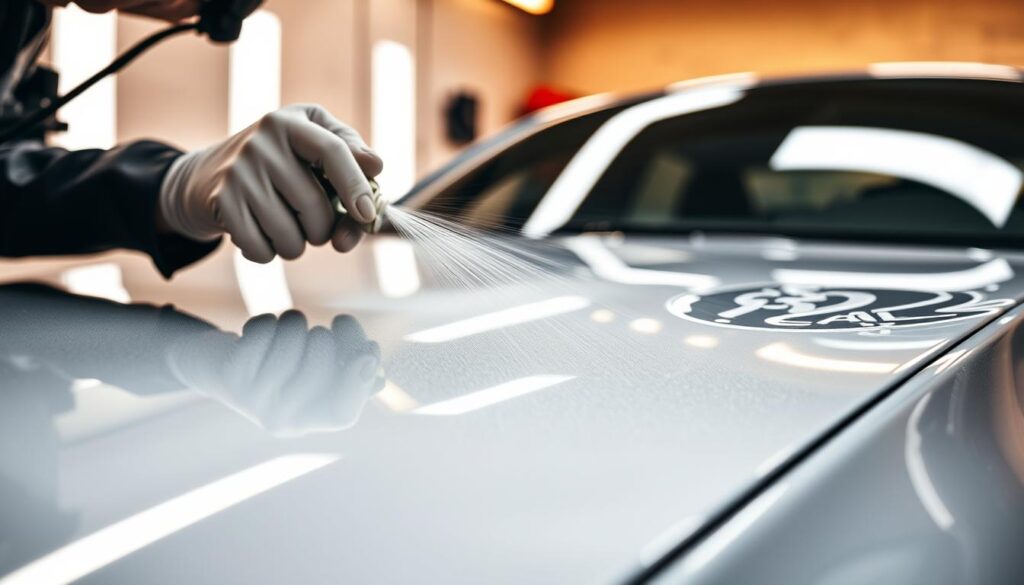
By providing superior protection against a range of threats, ceramic coating helps vehicle owners maintain their vehicle’s appearance and integrity over time. Its benefits make it a valuable investment for those looking to protect their vehicle’s exterior.
Enhanced Aesthetic Appeal: The Visual Benefits
Ceramic coating doesn’t just protect your vehicle’s paint; it also enhances its appearance, giving it a deep, glossy finish. This additional layer not only safeguards the paint but also elevates the overall visual appeal of the vehicle.
Achieving and Maintaining a Deep Glossy Finish
The application of ceramic coating results in a significantly enhanced glossy finish. This is due to the coating’s ability to fill minor imperfections on the paint surface, creating a smoother appearance that reflects light more effectively. The result is a vehicle that looks well-maintained and vibrant.
Color Enhancement Properties
Ceramic coating also has color enhancement properties, making the vehicle’s color appear more vivid and rich.
How Ceramic Coating Enhances Different Paint Colors
Different paint colors are enhanced in various ways by ceramic coating. For instance, darker colors become deeper and more pronounced, while lighter colors appear brighter and more saturated. This enhancement is due to the way the coating interacts with light.
Ceramic Coating vs. Traditional Wax: A Detailed Comparison
When it comes to protecting your vehicle’s paint, two popular options are ceramic coating and traditional wax. Both have their own set of benefits, but they differ significantly in terms of durability, protection level, and cost.
Durability Differences Between Ceramic Coating and Wax
Ceramic coating is known for its long-lasting durability, often lasting several years with proper maintenance. In contrast, traditional wax typically needs to be reapplied every few months. This significant difference in durability is a crucial factor to consider when deciding between the two.
Protection Level Comparison
Ceramic coating offers a higher level of protection against environmental contaminants, UV damage, and chemical damage compared to traditional wax. The advanced chemical composition of ceramic coatings creates a robust barrier that shields your vehicle’s paint from various hazards.
Cost-Benefit Analysis Over Time
While the initial cost of ceramic coating is generally higher than that of traditional wax, its long-term benefits can provide significant cost savings. With ceramic coating, you may reduce the need for frequent detailing and waxing, potentially saving money over time.
Long-term Value Proposition
The long-term value proposition of ceramic coating lies in its ability to maintain your vehicle’s appearance and protect its paint for an extended period. Although it may require a larger upfront investment, the durability and protection offered by ceramic coating can make it a more cost-effective option in the long run.
Longevity and Durability: How Long Does Ceramic Coating Last?
One of the primary advantages of ceramic coating is its durability, but the actual lifespan can vary based on several factors. Understanding these factors is crucial for maximizing the benefits of ceramic coating.
Factors Affecting Ceramic Coating Lifespan
The longevity of ceramic coating is influenced by various factors, including environmental conditions and the quality of the coating application.
Environmental Exposure Considerations
Exposure to harsh environmental conditions such as intense sunlight, heavy rainfall, and extreme temperatures can affect the lifespan of ceramic coating. For instance:
- UV rays can cause the coating to degrade over time if it’s not properly formulated to resist UV damage.
- Frequent exposure to saltwater or high levels of air pollution can also impact the coating’s durability.
Expected Duration Based on Quality and Application
The quality of the ceramic coating product and the expertise of the application process play significant roles in determining its lifespan.
Consumer-Grade vs. Professional-Grade Products
Professional-grade ceramic coatings generally offer longer durability compared to consumer-grade products. The difference lies in the formulation and concentration of the ceramic polymers.
Key differences include:
- Higher concentration of ceramic polymers in professional-grade products.
- Better resistance to environmental contaminants.
- Enhanced hydrophobic properties.
By understanding the factors that affect ceramic coating longevity, vehicle owners can make informed decisions about their vehicle’s protection. The benefits of ceramic coating are maximized when the coating is of high quality and applied correctly.
The Hydrophobic Effect: Water and Dirt Repellent Properties
One of the standout features of ceramic coating is its hydrophobic effect, which plays a crucial role in maintaining your vehicle’s cleanliness. The hydrophobic properties of ceramic coating make it easier to keep your vehicle free from dirt and water spots, enhancing its overall appearance.
How Hydrophobic Properties Keep Your Vehicle Cleaner
The hydrophobic effect of ceramic coating works by creating a surface that repels water and dirt. This is achieved through the unique chemical composition of the coating, which forms a barrier that prevents water and contaminants from adhering to the surface.
Self-Cleaning Aspects of Ceramic Coating
The self-cleaning aspect of ceramic coating is one of its most significant benefits. As water rolls off the surface, it takes dirt and contaminants with it, reducing the need for frequent washing. This not only saves time but also minimizes the risk of scratches caused by improper washing techniques.
The Science Behind Water Beading and Sheeting
Water beading and sheeting are two phenomena that occur on surfaces treated with ceramic coating. Water beading refers to the formation of droplets on the surface, while sheeting occurs when water flows off the surface in a continuous sheet. Both phenomena are indicative of the coating’s hydrophobic properties.
Contact Angle Measurements Explained
The effectiveness of a ceramic coating’s hydrophobic properties can be measured by its contact angle. A higher contact angle indicates a more hydrophobic surface, meaning water and dirt are more easily repelled. This measurement is crucial in understanding the coating’s ability to protect your vehicle’s surface.
In conclusion, the hydrophobic effect of ceramic coating provides significant benefits in terms of vehicle cleanliness and protection. By understanding how this effect works and its underlying science, vehicle owners can appreciate the value that ceramic coating brings to their vehicle’s maintenance and appearance.
Professional vs. DIY Ceramic Coating Application
When it comes to applying ceramic coating, car owners are often faced with the decision between hiring a professional or taking the DIY route. Both methods have their advantages and disadvantages, which are crucial to understand before making a decision.
The Professional Application Process
A professional ceramic coating application involves several meticulous steps, starting with thorough paint correction and preparation.
Paint Correction and Preparation Steps
The process begins with a detailed inspection of the vehicle’s paint to identify any imperfections. Paint correction involves removing scratches, swirl marks, and other defects to achieve a flawless surface. Only then is the ceramic coating applied, ensuring a durable and long-lasting finish.
DIY Ceramic Coating Options and Considerations
For those opting for a DIY ceramic coating application, it’s essential to have the right tools and environment. A clean, dust-free workspace is crucial for a successful application. If you’re considering doing it yourself, make sure to follow a proper guide. Check our detailed post: How to Apply Ceramic Coating: A Step-by-Step Tutorial for expert tips and instructions.
Essential Tools and Environment Requirements
- A well-ventilated workspace
- Microfiber towels for cleaning
- A dual-action polisher for paint correction
- Ceramic coating kit, including the coating and any necessary prep or post-application products
Cost Comparison Between Professional and DIY Methods
The cost of ceramic coating can vary significantly between professional application and DIY methods. While a professional application may seem more expensive upfront, it often includes additional services like paint correction, which can enhance the overall value.
Maintenance Requirements for Ceramic Coated Vehicles
To maximize the benefits of ceramic coating on your car, proper maintenance is crucial. A well-maintained ceramic coating not only enhances the appearance of your vehicle but also ensures the longevity of the coating.
Proper Washing Techniques for Coated Vehicles
Washing your ceramic coated vehicle requires careful consideration to maintain its protective layer. Using the right washing technique is vital.
Two-Bucket Washing Method
The two-bucket washing method is recommended for ceramic coated vehicles. This involves using one bucket for soapy water and another for clean water to rinse your wash mitt. This technique helps prevent dirt and debris from being transferred back onto the vehicle’s surface, thus reducing the risk of scratches.
Recommended Products for Maintaining Ceramic Coating
Using the right products is essential for maintaining your ceramic coating. Mild, pH-balanced car wash shampoos are recommended. Avoid using harsh chemicals or abrasive cleaners that can damage the coating.
Common Maintenance Mistakes to Avoid
Avoiding common mistakes is crucial for the longevity of your ceramic coating.
Harsh Chemicals and Automatic Car Washes
Using harsh chemicals or frequent visits to automatic car washes can degrade the ceramic coating. Harsh chemicals can strip away the coating, while automatic car washes can cause scratches due to the brushes used.
By following these maintenance guidelines, you can ensure your ceramic coated vehicle remains in optimal condition, retaining its ceramic coating maintenance benefits for a longer period.
Cost Considerations: Is Ceramic Coating Worth the Investment?
The decision to invest in ceramic coating involves weighing its upfront cost against its long-term benefits. While the initial investment in ceramic coating may seem significant, it’s essential to consider the potential savings and benefits it offers over time.
Initial Investment vs. Long-term Value
Ceramic coating is a premium product that provides a durable layer of protection for your vehicle’s paint. Although it’s more expensive than traditional wax or sealants, its longevity and effectiveness make it a valuable investment. The long-term value of ceramic coating lies in its ability to maintain your vehicle’s appearance and protect its paint for an extended period.
Potential Savings on Detailing and Maintenance
One of the significant advantages of ceramic coating is its hydrophobic effect, which makes cleaning and maintenance easier. With a ceramic-coated vehicle, you’ll spend less time and money on detailing and washing, as dirt and grime are less likely to stick to the surface. This can result in significant savings over time.
Impact on Vehicle Resale Value
A well-maintained vehicle with a ceramic coating can command a higher resale value. The coating helps preserve the paint’s condition, making your vehicle more attractive to potential buyers. This can be a crucial factor when deciding whether the investment is worthwhile.
Documentation and Warranty Benefits
Many professional ceramic coating services provide documentation and warranty benefits, offering peace of mind and protection for your investment. This added layer of security can be a deciding factor for those considering the cost of ceramic coating.
In conclusion, while the initial cost of ceramic coating may be higher than other protective measures, its long-term benefits, potential savings, and impact on resale value make it a worthwhile investment for many vehicle owners.
Best Ceramic Coatings We Recommend
To get the full benefits of ceramic coating, using high-quality products is essential. Here are some of the most sold and trusted ceramic coatings available:
-
CERAKOTE Ceramic Trim Coat Kit – a top seller with over 22,000 units sold, known for durable and long-lasting protection.
-
CARPRO CQUARTZ Nanotechnology – a premium nanotechnology coating praised for its easy application and excellent gloss.
-
Invisible Glass Professional Hydrophobic Coating – offers excellent hydrophobic properties for clear visibility and protection.
Check them out to give your vehicle the ultimate ceramic coating protection!
Common Misconceptions About Ceramic Coating
Despite its growing popularity, there are several common misconceptions about ceramic coating that need to be addressed. Ceramic coating has become a sought-after solution for vehicle protection, but myths and misunderstandings surround its use.
Debunking Ceramic Coating Myths
One of the most prevalent myths is that ceramic coating makes your vehicle completely maintenance-free. This is not entirely accurate.
The “Never Wash Your Car Again” Myth
While ceramic coating provides excellent hydrophobic properties, making water and dirt less likely to stick to your vehicle’s surface, regular washing is still necessary to maintain its effectiveness and appearance. Ceramic coating protection is not a substitute for regular vehicle maintenance.
Setting Realistic Expectations
It’s essential to understand what ceramic coating can and cannot do. Here are some key points to consider:
- Ceramic coating offers superior protection against environmental contaminants.
- It provides a deep, glossy finish that enhances your vehicle’s appearance.
- Ceramic coating is not invincible; it can be damaged by harsh chemicals or improper washing techniques.
What Ceramic Coating Can and Cannot Do
Ceramic coating benefits include long-lasting protection and reduced maintenance needs, but it is not a magic solution that eliminates all maintenance tasks. Regular care is still required to maximize advantages of ceramic coating.
Making the Right Choice for Your Vehicle’s Protection
Choosing the right protection for your vehicle is crucial in maintaining its appearance and longevity. Ceramic coating has emerged as a superior option, offering numerous benefits and advantages over traditional methods.
The benefits of ceramic coating include superior paint protection against environmental contaminants, UV damage prevention, and chemical resistance. These advantages of ceramic coating not only protect your vehicle’s paint but also enhance its aesthetic appeal, achieving a deep glossy finish and maintaining its color.
When considering ceramic coating, it’s essential to weigh the initial investment against the long-term value it provides. With its durability and low maintenance requirements, ceramic coating can potentially save you money on detailing and maintenance over time. Additionally, a well-maintained vehicle with a ceramic coating can retain its resale value better.
By understanding the advantages and benefits of ceramic coating, you can make an informed decision about protecting your vehicle. Whether you’re a car enthusiast or simply a vehicle owner, ceramic coating offers a reliable and effective solution to keep your vehicle looking its best.