A vehicle’s appearance is significantly impacted by its paint condition. Over time, exposure to environmental elements can cause imperfections such as swirl marks, scratches, and oxidation, diminishing its overall look. Auto paint correction is a process designed to restore a vehicle’s paint to its original condition.
This technique involves removing imperfections from the paint surface, resulting in a smoother, glossier finish. By enhancing the vehicle’s appearance, car paint enhancement can also increase its value.
Whether you’re looking to restore your vehicle’s original shine or prepare it for sale, understanding the process and benefits of vehicle paint restoration is essential.
Key Takeaways
- Auto paint correction restores a vehicle’s paint to its original condition.
- The process involves removing imperfections like swirl marks and scratches.
- Car paint enhancement can increase a vehicle’s value.
- Understanding vehicle paint restoration is crucial for maintaining or selling a vehicle.
- Proper paint correction techniques result in a smoother, glossier finish.
What Is Auto Paint Correction?
Auto paint correction is a meticulous process designed to restore a vehicle’s paintwork to its original condition. This process involves a thorough understanding of the science behind paint correction and the various techniques used to address different types of paint imperfections.
The Science Behind Paint Correction
The science behind paint correction lies in the use of abrasives to remove imperfections from the paint surface. Abrasives are materials that wear away the paint to level out the surface, removing imperfections.
How Abrasives Remove Imperfections
Abrasives work by gradually wearing away the paint surface, removing imperfections such as swirl marks and scratches. The choice of abrasive depends on the type and severity of the imperfection.
Paint Thickness and Correction Limitations
It’s crucial to consider the paint thickness when performing paint correction, as excessive abrasion can damage the paint. The process has limitations, and in some cases, the damage may be too severe to correct.
Common Paint Imperfections Addressed
Auto paint correction can address a variety of common paint imperfections, including swirl marks, water spots, and oxidation.
Swirl Marks and Micro-Scratches
Swirl marks and micro-scratches are common imperfections that can be removed through paint correction. These imperfections are often caused by improper washing and drying techniques.
Water Spots and Chemical Etching
Water spots and chemical etching are other common issues that can be addressed through paint correction. Water spots occur when mineral deposits are left on the paint surface, while chemical etching is caused by exposure to harsh chemicals.
Oxidation and UV Damage
Oxidation and UV damage can cause the paint to fade and become dull. Paint correction can help restore the paint’s original appearance by removing the oxidized layer.
Protecting Your Paint After Correction
After correcting these imperfections, it’s crucial to protect your vehicle’s paint to keep it looking its best. For expert tips on how to safeguard your car’s finish in various weather conditions, read our full guide: Tips for Paint Protection: Protect Your Paint in Harsh Weather.
Signs Your Vehicle Needs Paint Correction
If you’re wondering whether your vehicle needs paint correction, look out for visible signs that indicate it’s time for a restoration. A vehicle’s paint job is its first line of defense against environmental factors, and over time, it can become damaged, leading to a dull appearance.
Visible Swirl Marks and Scratches
One of the most common signs that your vehicle needs paint correction is the presence of visible swirl marks and scratches. These imperfections can occur due to improper washing techniques or everyday wear and tear. Regular car paint detailing can help prevent these issues, but when they appear, auto paint correction near me services can restore your vehicle’s original shine.
Faded or Oxidized Paint
Faded or oxidized paint is another indicator that your vehicle may benefit from paint correction. Exposure to UV rays can cause the paint to degrade, leading to a dull, faded appearance. Vehicle paint restoration techniques can help revive the original color and gloss of your vehicle’s paint.
Water Spots and Etching
Water spots and etching are additional signs that your vehicle needs paint correction. Mineral deposits in water can leave behind unsightly spots, while acidic substances can etch into the paint, causing permanent damage. Prompt attention from a professional can help mitigate these issues and restore your vehicle’s appearance.
- Visible swirl marks and scratches
- Faded or oxidized paint
- Water spots and etching
By recognizing these signs and seeking professional help when needed, you can maintain your vehicle’s appearance and protect its value.
Different Levels of Auto Paint Correction
Understanding the different levels of auto paint correction is crucial for vehicle owners looking to restore their car’s appearance. Auto paint correction is not a one-size-fits-all solution; it varies based on the severity and type of paint imperfections. The level of correction needed can significantly impact the overall cost and outcome of the process.
Single-Stage Correction
Single-stage correction is typically used for vehicles with minor paint imperfections, such as light swirl marks or minor scratches. This process involves a single compounding or polishing stage to restore the paint’s clarity and gloss. It’s a cost-effective solution for maintaining a vehicle’s appearance, especially for newer models or those with relatively good paint condition.
Multi-Stage Correction
Multi-stage correction is a more comprehensive process, designed for vehicles with more severe paint damage, including deep scratches, heavy oxidation, or significant water spot damage. This process involves multiple stages of compounding and polishing, often requiring different grades of compounds and polishes to gradually restore the paint to a like-new condition. Professional paint correction services often recommend multi-stage correction for vehicles that have been neglected or exposed to harsh conditions.
Paint Correction vs. Regular Detailing
While regular detailing is essential for maintaining a vehicle’s appearance, paint correction is a specialized process that goes beyond standard detailing. Paint correction focuses specifically on removing imperfections from the paint surface, whereas detailing encompasses a broader range of services, including interior cleaning, waxing, and exterior cleaning. Understanding the difference is key to deciding whether your vehicle needs a simple detailing or a more intensive paint correction process, which can also impact the paint correction price.
The Auto Paint Correction Process Explained
The auto paint correction process involves a series of detailed steps aimed at removing imperfections from a vehicle’s paint surface. This meticulous process is designed to restore the original paint finish, enhancing the vehicle’s appearance.
Assessment and Preparation
Before the actual correction begins, a thorough assessment and preparation of the vehicle’s paint surface are crucial. This stage involves evaluating the paint’s condition to determine the best approach for correction.
Paint Thickness Measurement
Paint thickness measurement is a critical step to ensure that the paint correction process does not damage the vehicle’s paint. Specialized tools are used to measure the paint’s thickness, helping technicians decide on the appropriate correction techniques.
Vehicle Cleaning and Decontamination
The vehicle is thoroughly cleaned and decontaminated to remove dirt, tar, and other contaminants that could interfere with the correction process. This step is essential for achieving a smooth, even finish.
Compounding and Polishing Stages
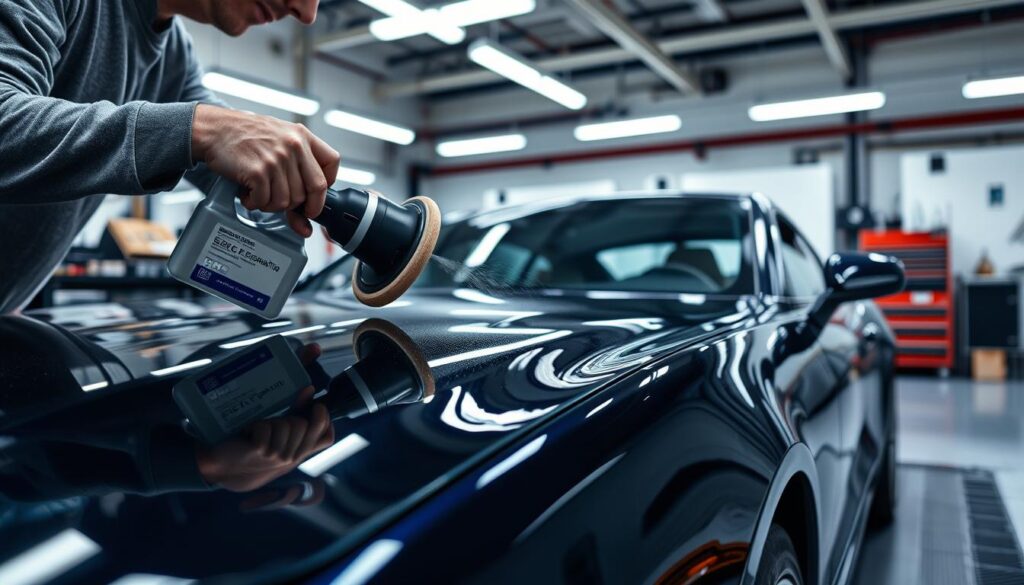
The compounding and polishing stages are where the actual correction takes place. Compounding involves using a cutting compound to remove imperfections, while polishing refines the paint surface to a high gloss. These stages may be repeated depending on the paint’s condition.
Protection Application
After the paint correction is complete, a protective layer is applied to the paint surface to shield it from future damage. This can include wax, sealants, or ceramic coatings, each offering different levels of protection and durability.
By understanding the auto paint correction process, vehicle owners can better appreciate the work that goes into restoring their car’s paint to a like-new condition. Whether it’s for auto body imperfection removal or overall car paint enhancement, the process is a valuable investment in the vehicle’s appearance and longevity.
DIY Paint Correction: What You Need to Know
Taking on auto paint correction yourself requires the right tools and a bit of know-how. Before starting, it’s essential to understand the process and the materials needed to achieve professional-looking results.
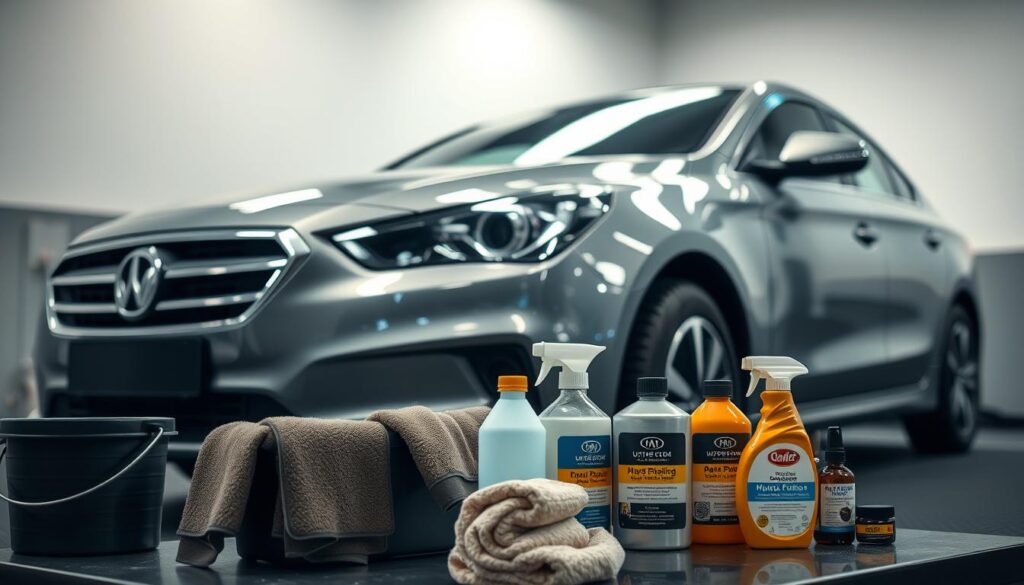
Essential Tools and Products
To successfully correct your vehicle’s paint, you’ll need specific tools and products. These include:
Polishers and Machines
A good quality polisher is crucial for effective paint correction. Options range from rotary polishers to dual-action machines, each with its own advantages.
Recommended Polisher: DEWALT Buffer/Polisher, Variable Speed, Soft Start, 7-Inch/9-Inch
Compounds and Polishes
Compounds are used to remove imperfections, while polishes refine the finish. Choosing the right compound and polish for your vehicle’s paint type is vital.
Top-Rated Compound in Amazon: Meguiar’s Ultimate Compound
Best Finishing Polish in Amazon: Chemical Guys All in One Polish
Pads and Applicators
Different pads and applicators are used with various polishers and products. Foam pads, for example, are commonly used for polishing, while microfiber applicators can be used for applying products.
Microfiber Applicator Pads: Mothers Microfiber Polishing Pad.
Step-by-Step Process
The paint correction process involves several steps:
- Assessing the paint condition to determine the level of correction needed.
- Cleaning the vehicle thoroughly to remove dirt and contaminants.
- Using a compound and polisher with the appropriate pad to correct imperfections.
- Inspecting the paint after each stage to ensure the desired result is achieved.
Common DIY Mistakes to Avoid
Common mistakes include using the wrong products for your paint type, applying too much pressure, and not inspecting the paint regularly during the correction process. Avoiding these mistakes will help ensure a successful DIY paint correction.
Professional Auto Paint Correction Services
If you’re looking for a professional touch to correct your vehicle’s paint imperfections, consider hiring auto paint correction services. These services are designed to restore your vehicle’s paint to its original condition, addressing various imperfections such as swirl marks, scratches, and oxidation.
What to Expect from Professional Services
Professional paint correction services begin with a thorough assessment of your vehicle’s paint condition. Technicians then use specialized equipment and techniques to correct imperfections, followed by the application of protective coatings to maintain the finish. By opting for professional paint correction, you can expect a significant improvement in your vehicle’s appearance.
Questions to Ask Before Hiring a Professional
Before hiring a professional for auto paint correction near me, consider asking the following questions:
- What experience do you have with paint correction?
- What techniques and products do you use?
- Can you provide before and after photos of previous work?
- What kind of warranty or guarantee do you offer?
By asking these questions, you can ensure that you’re hiring a qualified professional who can deliver high-quality professional paint finish restoration services.
When Paint Correction Might Not Be Right for Your Vehicle
Before opting for paint correction, it’s crucial to assess whether it’s the right solution for your vehicle’s specific needs. Paint correction can significantly improve your car’s appearance, but there are scenarios where it might not be the best option.
Severely Damaged Paint Considerations
In cases where the paint is severely damaged, such as deep scratches or rust, paint correction might not be sufficient or cost-effective. Severe damage often requires more extensive repairs, including repainting or replacing body panels, which goes beyond the scope of paint correction.
Age and Condition Limitations
The age and overall condition of your vehicle’s paint also play a significant role in determining the suitability of paint correction. For older vehicles with deteriorated paint, correction might not yield the desired results due to the underlying condition of the paintwork.
Budget Constraints and Alternatives
For those on a tight budget, the cost of professional paint correction services might be prohibitive. In such cases, exploring DIY paint correction methods or alternative detailing services that offer similar, albeit less comprehensive, benefits could be more feasible. Understanding the paint correction price and comparing it with the value it adds to your vehicle is essential.
Understanding Paint Correction Costs
Several key factors determine the overall cost of auto paint correction. Understanding these factors can help vehicle owners prepare for the financial investment required to achieve a flawless paint finish.
Factors Affecting Price
The cost of paint correction is influenced by various elements. These include the vehicle’s size and condition, the level of correction required, and geographic location factors.
Vehicle Size and Condition
Larger vehicles require more time and materials for paint correction, increasing the cost. The condition of the paint also plays a significant role; more damaged paint requires more extensive correction processes.
Correction Level Required
The level of paint correction needed can significantly impact the price. Single-stage correction is less expensive than multi-stage correction, which involves more detailed compounding and polishing stages.
Geographic Location Factors
Geographic location can affect labor costs and the availability of professional paint correction services, thereby influencing the overall price.
Average Cost Breakdown
On average, the cost of professional paint correction can range from $500 to $2,000 or more, depending on the factors mentioned above. It’s essential to get a detailed quote from a service provider to understand the costs involved.
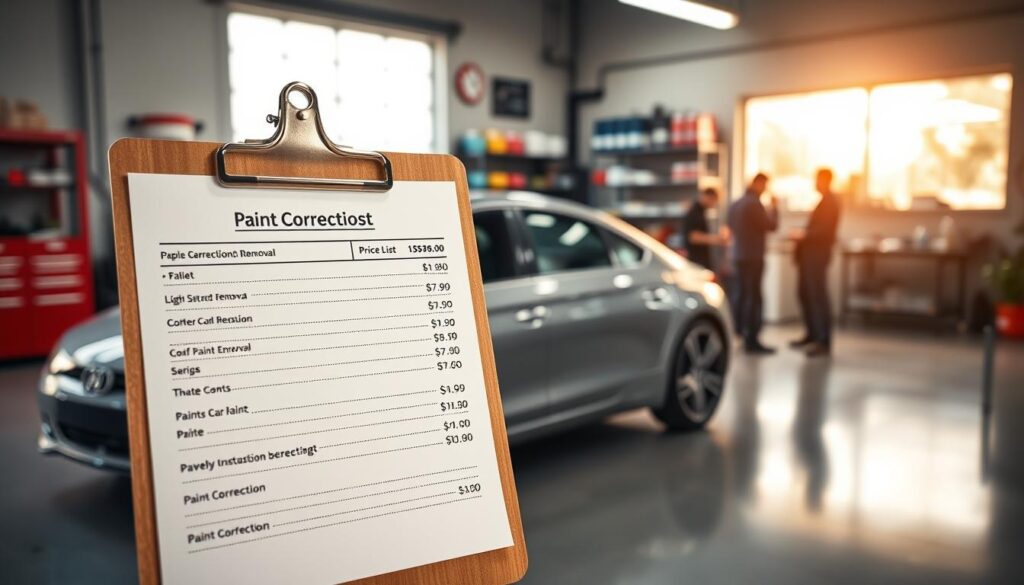
By understanding the factors that affect paint correction costs, vehicle owners can make informed decisions about their auto paint correction needs.
How to Find Quality Auto Paint Correction Near Me
When searching for “auto paint correction near me,” it’s essential to know what to look for in a detailing shop. Professional paint correction can significantly enhance your vehicle’s appearance, but it requires finding a reliable service.
Researching Local Detailing Shops
Start by researching local detailing shops that offer auto paint correction services. Look for shops with experience in car paint detailing and a reputation for quality work. You can check online directories or ask for referrals from friends and family.
Reading Reviews and Portfolios
Once you have a list of potential detailing shops, read their reviews and examine their portfolios. Reviews can provide insight into a shop’s quality of service and customer satisfaction. A portfolio showcasing before-and-after photos can give you a clear idea of their work quality.
Questions to Ask Before Booking
Before booking a service, ask the detailing shop about their experience with professional paint correction, the products they use, and their process for addressing different paint imperfections. This will help ensure you’re getting a service that meets your needs.
By following these steps, you can find a quality auto paint correction service near you that will restore your vehicle’s paint to its original condition.
Conclusion: Is Paint Correction Right for Your Vehicle?
After exploring the ins and outs of auto paint correction, it’s clear that this process can be a game-changer for your vehicle’s appearance. Whether you’re dealing with swirl marks, scratches, or faded paint, auto paint correction can restore your car’s original shine. The key is determining if your vehicle is a good candidate for this treatment.
Vehicle paint restoration through paint correction can significantly enhance your car’s aesthetic appeal and even increase its resale value. However, it’s essential to consider factors like the extent of the damage, your vehicle’s age, and your budget. Car paint enhancement via paint correction can be a worthwhile investment if done correctly.
To make an informed decision, weigh the benefits against the costs and consider consulting with a professional detailer. They can assess your vehicle’s paint condition and recommend the best course of action. With the right guidance, you can achieve a showroom-quality finish and enjoy a vehicle that looks like new.