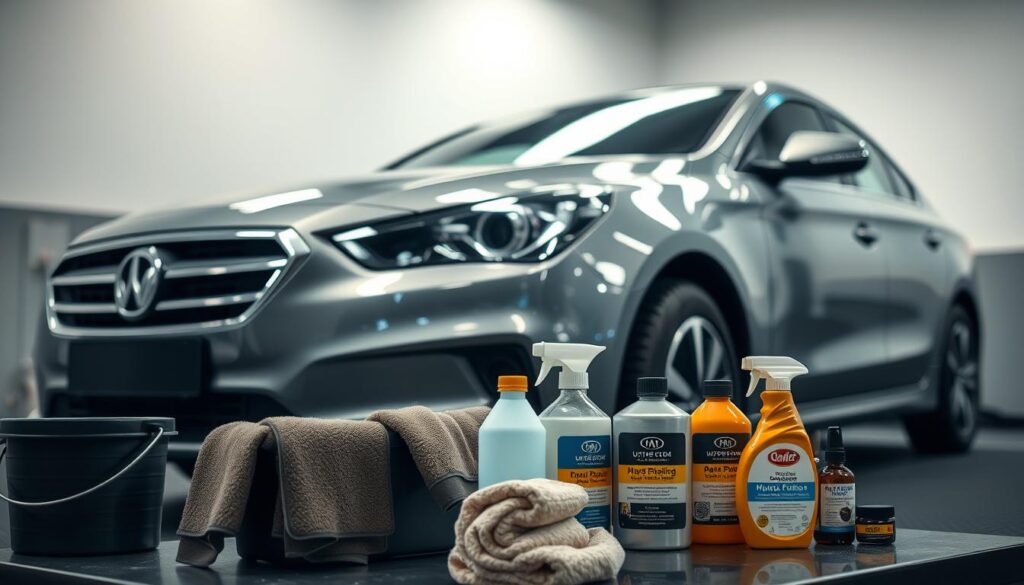
A dual action polisher has revolutionized the car detailing industry, making it possible for professionals and enthusiasts alike to achieve showroom-quality finishes with ease. With the rise in popularity of car detailing as a hobby and profession, the demand for effective and user-friendly polishing tools has skyrocketed.
The best dual action polisher is a game-changer for anyone looking to remove imperfections and leave a flawless finish on their vehicle’s surface. In this article, we will review the top pick dual action polisher, exploring its features, benefits, and how it stands out from the competition.
Key Takeaways
- Understanding the importance of a dual action polisher in car detailing.
- Key features to look for in a dual action polishing machine.
- Benefits of using the best dual action polisher for your vehicle.
- What makes the top pick dual action polisher stand out.
- Tips for achieving professional results with your dual action polisher.
Understanding Dual Action Polishers
Dual action polishers have revolutionized the car detailing industry with their unique functionality and benefits. These polishers combine the benefits of rotary and orbital motions, making them highly effective for car detailing.
What Makes Dual Action Polishers Different
Unlike traditional rotary polishers, dual action polishers operate with a dual motion, reducing the risk of paint damage and making them safer for users. This dual motion involves both rotation and oscillation, allowing for a more controlled and gentle polishing action.
Benefits of Using a Dual Action Polisher for Car Detailing
The benefits of using a dual action polisher(DA) include improved finish quality, reduced risk of paint damage, and ease of use. DA polishers are versatile and can be used with various pads and compounds, making them suitable for a range of detailing tasks.
| Feature | DA Polisher | Rotary Polisher |
|---|---|---|
| Motion Type | Dual Action (Rotary + Orbital) | Rotary |
| Risk of Paint Damage | Low | High |
| Ease of Use | High | Low |

By understanding the unique characteristics and benefits of dual action polishers, car enthusiasts and professionals can make informed decisions about their detailing tools and techniques.
The Best Dual Action Polisher for Different Needs
The world of dual action polishers is diverse, offering a range of options from professional-grade to budget-friendly models. This variety can make it challenging for consumers to choose the right tool for their needs. However, by understanding the different categories and their characteristics, individuals can make informed decisions.

Professional-Grade Options
For professional detailers, a high-quality dual action polisher is essential. These professional-grade options offer advanced features such as variable speed control, powerful motors, and durable construction. Brands like DeWalt and Makita are well-regarded in this category for their performance and reliability. A professional-grade polisher can withstand heavy use and provide consistent results, making it a valuable investment for those who use it frequently.
Budget-Friendly Choices for Beginners
For those new to car detailing, a budget-friendly dual action polisher is a great starting point. These models are designed to be affordable while still offering good performance. They may not have all the advanced features of their professional counterparts, but they are suitable for occasional use. Brands like Black+Decker and Porter-Cable offer entry-level polishers that are both affordable and effective, making them ideal for beginners looking to achieve professional-like results without a hefty investment.
Mid-Range Models with the Best Value
Mid-range dual action polishers strike a balance between price and performance, making them an attractive option for those who want quality without the high-end price tag. These models often feature a mix of the advanced features found in professional-grade polishers and the affordability of budget-friendly options. They are suitable for both enthusiasts who detail their cars regularly and semi-professionals. Brands like Griot’s Garage and Meguiar’s offer mid-range polishers that are well-regarded for their value and performance.
To help you get started, we’ve selected four top-rated car polisher machines available on Amazon that combine performance, ease of use, and great value. Whether you’re a beginner or a seasoned pro, these polishers offer reliable results to keep your vehicle’s paintwork looking flawless. Check out the options below and find the perfect tool to suit your needs and budget.
-
DEWALT Buffer Polisher- View on Amazon.
-
BLACK+DECKER 6″ Buffer Polisher- View on Amazon.
-
SPTA Mini Orbital Polisher- View on Amazon.
- SPTA Cordless Car Buffer Polisher- View on Amazon.
Essential Features to Look for in Dual Action Polishers
When selecting a dual action polisher, several key features must be considered to ensure optimal performance. A thorough comparison of different models will help in identifying the best tool for specific detailing needs.
Motor Power and Speed Settings
The motor power and speed variability of a dual action polisher are crucial for its effectiveness. A more powerful motor allows for heavier cutting and polishing, while variable speed settings provide flexibility for different tasks and surfaces. For instance, a dual action polisher comparison might reveal that models with adjustable speed settings offer better results across various applications.
- Higher motor power for demanding tasks
- Variable speed for adaptability
- Electronic controls for precision
Ergonomics and Weight Considerations
Ergonomics and weight are significant factors, especially for extended use. An electric car polisher designed with ergonomics in mind reduces user fatigue and enhances control. The weight distribution and balance of the polisher affect its maneuverability and comfort during operation.
Backing Plate Size and Compatibility
The backing plate size and its compatibility with various pads are vital for the versatility of a dual action sander or polisher. A larger backing plate covers more surface area, while a smaller one offers more precision. Ensuring the polisher is compatible with a range of pad sizes and types expands its utility.
- Choose a polisher with interchangeable backing plates
- Consider the range of compatible pad sizes
- Assess the ease of changing pads
Step-by-Step Guide to Using a Dual Action Polisher
The dual action polisher is a versatile tool that, when used correctly, can achieve professional-level results in car detailing. To get the most out of this automotive detailing tool, it’s essential to follow a step-by-step approach.
Preparation Steps
Before you start polishing, there are a few preparation steps to take. Proper preparation ensures that the polishing process is effective and safe for your vehicle’s surface.
Surface Cleaning and Inspection
Begin by thoroughly cleaning the surface to remove any dirt, dust, or debris. Inspect the paint for any defects or areas that may require special attention.
Setting Up Your Work Area
Set up your work area to be well-ventilated and free from distractions. Ensure that you have all necessary supplies within reach, including your da buffer, polishing pads, and compounds.
Proper Technique for Beginners
For those new to using a dual action polisher for cars, mastering the proper technique is crucial. This involves holding the polisher correctly and using the right movement patterns.
Holding the Polisher Correctly
Hold the polisher with a firm but not overly tight grip. This allows you to control the tool effectively without causing fatigue.
Movement Patterns and Speed Control
Start with a low speed setting to get comfortable with the tool’s operation. Move the polisher in overlapping patterns to ensure even coverage. Gradually increase the speed as needed, depending on the task at hand.
Advanced Polishing Methods
Once you’re comfortable with the basics, you can move on to more advanced polishing methods. This includes adjusting your technique for different paint types and defect levels.
By following these steps and practicing your technique, you’ll be able to achieve a high-quality finish with your dual action polisher. Remember to always work in a well-ventilated area and follow safety guidelines.For more in-depth tips and to truly master the best car polishing techniques, check out our detailed guide; Master the Best Car Polishing Techniques.
Essential Accessories for Your Dual Action Polisher
To get the most out of your dual action polisher, it’s crucial to have the right accessories. These not only enhance the performance of the polisher but also ensure that you achieve the desired finish on your vehicle.
Pad Types and Their Specific Uses
The type of pad used with your dual action polisher can significantly impact the outcome of your detailing work. Different pads are designed for specific tasks, ranging from heavy cutting to fine finishing.
Cutting Pads vs. Finishing Pads
Cutting pads are designed for removing heavy imperfections and are typically made of a more aggressive material. In contrast, finishing pads are used for final polishing and are made to provide a smooth, glossy finish.
Microfiber vs. Foam Options
Microfiber pads are known for their ability to provide a high-gloss finish and are generally gentler on surfaces. Foam pads, on the other hand, are versatile and can be used for a variety of tasks, from cutting to finishing, depending on their density and the type of polish used with them.
- Microfiber pads are ideal for final polishing stages.
- Foam pads offer versatility for different detailing tasks.
To find the perfect pads suited for your needs, explore our full range of polisher pads available in our shop category.
Recommended Polishes and Compounds
The right polish or compound is essential for achieving the desired results with your dual action polisher. The choice between different products depends on the task at hand, whether it’s removing scratches, enhancing gloss, or preparing the surface for waxing.
For instance, when using an orbital polisher as a car wax machine, it’s vital to select a polish that is compatible with both the polisher and the vehicle’s paint type. Polishing compounds are used to correct imperfections and can vary in abrasiveness.
- Choose the right pad for your task.
- Select a polish or compound that matches your detailing needs.
- Always follow the manufacturer’s instructions for both the polisher and the accessories.
We have created a top-rated list of polisher machines available in Amazon. You can check it in our Shop – Polisher machines.
Safety Precautions When Using a Dual Action Polisher
Operating a dual action polisher safely is just as important as using it correctly to achieve the desired finish. When used improperly, a dual action polisher can cause damage to your car’s paint or even lead to personal injury.
Personal Protection Equipment
Wearing the right personal protection equipment (PPE) is crucial when operating a dual action polisher. This includes safety glasses to protect your eyes from debris, dust masks to prevent inhalation of dust and particles, and gloves to improve grip and protect your hands.
Avoiding Common Hazards and Paint Damage
To avoid common hazards and paint damage, it’s essential to keep the work area clean and clear of clutter. Ensure the polisher is set to the correct speed for the task, and always keep the pad flat against the surface to prevent uneven polishing or damage. Regularly inspect your polisher and pads for wear and tear.
Additionally, be mindful of the pressure applied; too much pressure can lead to paint damage or create swirl marks. It’s also advisable to work in a well-ventilated area and avoid polishing in direct sunlight, which can cause products to dry too quickly.
Maintenance Tips for Extending Your Polisher’s Life
Proper care and maintenance can significantly prolong the lifespan of your polisher. A well-maintained dual action polisher not only lasts longer but also continues to perform at its best, ensuring your car’s finish remains impeccable.
Cleaning After Each Use
After each use, it’s essential to clean your polisher thoroughly. Remove any polish or compound residue from the machine and its accessories. Use a soft brush or cloth to clean the backing plate and other parts. This prevents buildup that could affect performance and longevity.
Regular Maintenance Schedule
Establish a regular maintenance schedule for your polisher. Check the manufacturer’s guidelines for specific recommendations. Typically, this involves lubricating moving parts and inspecting the power cord for damage. Regular maintenance helps identify potential issues before they become major problems.
Troubleshooting Common Issues
Even with proper maintenance, issues can arise. Common problems include reduced polishing effectiveness or unusual noises. Refer to the user manual or manufacturer’s website for troubleshooting guides. Addressing issues promptly can prevent further damage and extend the life of your polisher.
| Maintenance Task | Frequency | Benefit |
|---|---|---|
| Cleaning after use | After each use | Prevents residue buildup, maintains performance |
| Lubricating moving parts | Monthly | Reduces wear and tear, ensures smooth operation |
| Inspecting power cord | Quarterly | Identifies potential electrical issues early |
By following these maintenance tips, you can significantly extend the life of your dual action polisher. Regular care and attention to potential issues will keep your equipment in top condition, ensuring it continues to deliver professional-grade results.
Common Mistakes to Avoid with Dual Action Polishers
To achieve professional-level polishing results, it’s crucial to understand and avoid common mistakes. Dual action polishers are versatile tools used for car detailing, but their effectiveness depends on proper usage.
Pressure and Speed Errors
One of the most common mistakes when using a dual action polisher is applying too much pressure or using the wrong speed setting. Excessive pressure can lead to paint damage, while insufficient pressure may result in ineffective polishing. Similarly, using a high speed on delicate surfaces can cause swirl marks or burn the paint.
To avoid these mistakes, it’s essential to understand the appropriate pressure and speed settings for your specific task. For instance, when polishing a delicate surface, start with a lower speed setting and gradually increase as needed.
| Surface Type | Recommended Speed | Recommended Pressure |
|---|---|---|
| Delicate Paint | Low (1000 RPM) | Light |
| Standard Paint | Medium (1500 RPM) | Moderate |
| Heavy Defect Removal | High (2000 RPM) | Firm |
Product Selection Mistakes
Another critical aspect of using a dual action polisher effectively is selecting the right polishing products. Using the wrong polish or compound can lead to suboptimal results, such as inadequate defect removal or leaving residue on the surface.
When choosing a polish or compound, consider the type of paint and the level of correction needed. For example, a fine polish is suitable for maintaining a showroom finish, while a heavier compound is necessary for removing deep scratches.
By understanding and avoiding these common mistakes, users can maximize the effectiveness of their dual action polisher and achieve professional-level results.
Specialized Techniques for Different Surfaces
Achieving a high-quality finish involves employing specialized techniques for various surfaces and paint types. Mastering these techniques is crucial for detailers looking to refine their skills and tackle complex polishing tasks.
Polishing Curved and Contoured Areas
Polishing curved and contoured areas requires a combination of the right technique and tool flexibility. Using a dual action polisher with a flexible backing plate can help in achieving a uniform finish on complex surfaces.
For highly contoured areas, consider using a smaller backing plate or a detailer’s corner tool to reach into tight spaces. It’s also essential to adjust your polishing pattern to match the surface contour, ensuring even coverage and preventing uneven wear on the polishing pad.
For more in-depth tips and to truly master the best car polishing techniques, check out our detailed guide here.
Working with Different Paint Types
Different paint types, such as matte, glossy, or metallic, require specific polishing approaches. For instance, matte paint demands a gentler touch and specialized products to avoid altering its finish.
When working with glossy or metallic paints, you can use more aggressive compounds to correct defects, followed by finer polishes to enhance the gloss. Understanding the paint type and its characteristics is key to selecting the right polishing technique and products.
Handling Problem Areas and Deep Defects
Deep defects, such as scratches or swirl marks, require a step-by-step correction process. Begin with a coarse compound to remove the defect, gradually moving to finer polishes to refine the finish.
For particularly stubborn defects, using a rotary polisher in conjunction with a dual action polisher can be effective. However, caution must be exercised to avoid damaging the surrounding paint.
| Surface Type | Recommended Technique | Products/Tools |
|---|---|---|
| Curved/Contoured | Flexible backing plate, adjusted polishing pattern | Dual action polisher, flexible backing plate |
| Matte Paint | Gentle polishing, specialized products | Matte paint-specific polish, soft pads |
| Glossy/Metallic Paint | Aggressive compounding, fine polishing | Compounds, fine polishes, dual action polisher |
Maximizing Your Results: From Amateur to Pro-Level Finish
Achieving a pro-level finish with a dual action polisher requires practice, patience, and the right detailing tips. To maximize your results, it’s essential to understand the capabilities of your polisher and how to use it effectively.
One key to elevating your detailing skills is to experiment with different polishing compounds and pads. For instance, using a Rupes BigFoot polisher with the right foam pad can significantly improve your results. By combining the correct technique with the appropriate materials, you can achieve a flawless finish.
To take your detailing to the next level, focus on refining your technique. This includes maintaining the correct speed, applying the right amount of pressure, and working in small sections. By mastering these detailing tips, you’ll be able to achieve a pro-level finish that rivals professional detailers.
By following these guidelines and continually practicing, you can maximize your results and achieve a showroom-quality finish. Whether you’re a beginner or an experienced detailer, the right techniques and tools will help you get the most out of your dual action polisher.