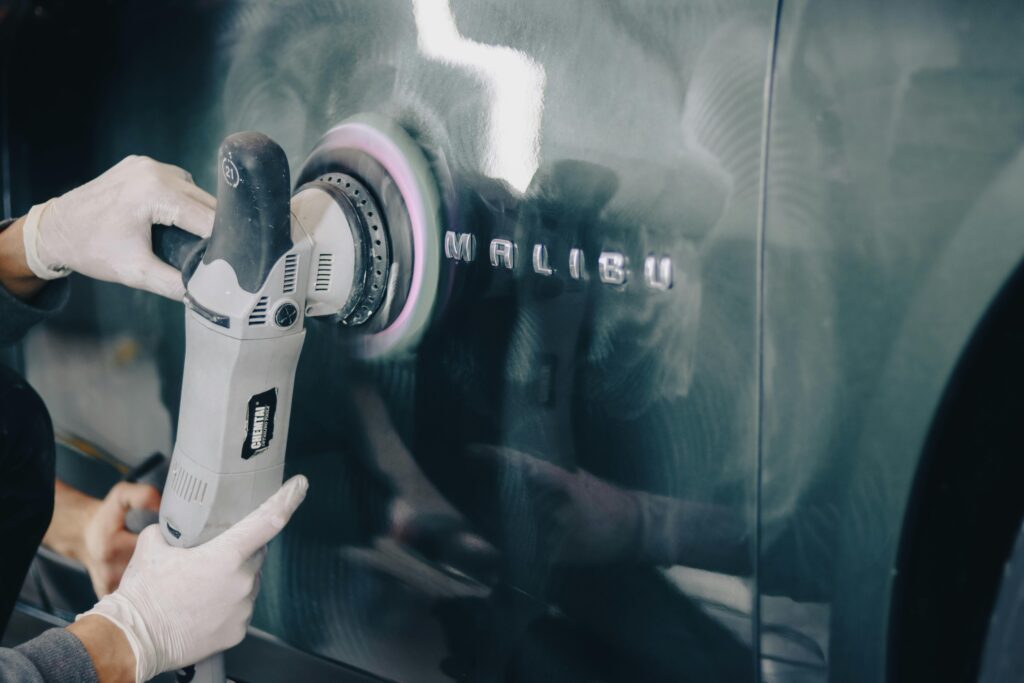

A well-maintained vehicle not only looks great, but it also retains its value over time. The car detailing industry has grown significantly, with the US market valued at $20.2 billion in 2025. This growth underscores the importance of learning easy car detailing steps to keep your vehicle in top condition.
For those new to vehicle maintenance, a beginner car detailing guide is essential. It provides the necessary knowledge to achieve a showroom shine. By following simple and effective detailing techniques, you can enhance your vehicle’s appearance and protect its surfaces.
Key Takeaways
- Understanding the basics of car detailing is crucial for maintaining your vehicle’s appearance and value.
- A beginner’s guide to car detailing covers the essential steps and techniques.
- Regular detailing can protect your vehicle’s surfaces and enhance its overall look.
- Learning easy car detailing steps can save you money and time.
- A well-detailed vehicle is not only aesthetically pleasing but also better maintained.
What is Car Detailing?
Detailing a car goes beyond a simple wash, involving a detailed cleaning and restoration of both the interior and exterior. It’s a process that requires patience, the right techniques, and a thorough understanding of the best practices to restore a vehicle to its original condition.
Detailing vs. Regular Car Washing
Regular car washing is primarily about removing dirt and grime from the exterior of the vehicle. In contrast, car detailing is a more comprehensive process that includes not just the exterior but also the interior, focusing on restoring the vehicle to its original shine and cleanliness. While washing is a part of detailing, detailing encompasses a wide range of activities including cleaning the interior, polishing the paint, and protecting the vehicle’s surfaces.
Benefits of Proper Car Detailing
Proper car detailing offers numerous benefits, including enhancing the vehicle’s appearance and protecting its surfaces. Two significant advantages are paint protection and longevity, and maintaining the vehicle’s value.
Paint Protection and Longevity
Detailing involves applying protective layers to the paint, such as wax or sealants, which shield it from environmental damages, including UV rays, rain, and contaminants. This protection helps maintain the paint’s integrity and color, extending its lifespan.
Maintaining Vehicle Value
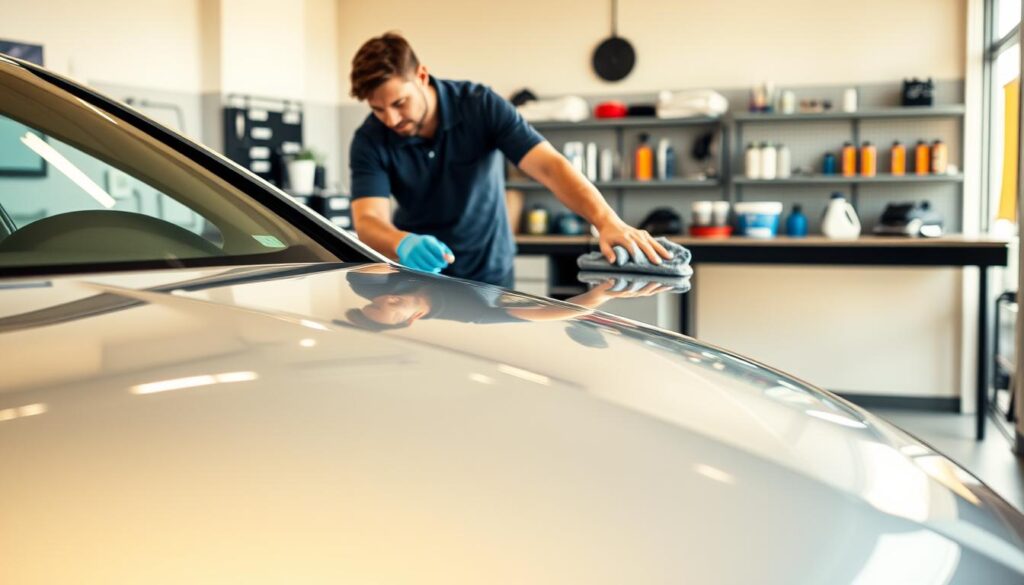
A well-maintained vehicle retains its value better than one that is neglected. Regular detailing helps prevent wear and tear, keeping the interior and exterior in good condition. This is particularly important for car owners who plan to sell their vehicle in the future.
| Aspect | Regular Car Washing | Car Detailing |
|---|---|---|
| Exterior Cleaning | Removes dirt and grime | Deep cleans, polishes, and protects |
| Interior Cleaning | Not typically included | Thorough vacuuming and cleaning |
| Protection | Limited to a clean surface | Includes protective coatings |
Essential Car Detailing Supplies for Beginners
For beginners, having the essential car detailing supplies is crucial for a successful detailing experience. Car detailing is not just about making your car look good; it’s about maintaining its overall condition and longevity.
Basic Cleaning Products
The foundation of any car detailing process starts with the right cleaning products. Car wash soaps are designed to clean the exterior without damaging the paint or stripping away wax. When choosing a car wash soap, look for pH-balanced formulas that are gentle on the car’s surface.
Car Wash Soaps
Opt for car wash soaps that are free from harsh chemicals and abrasives. Some popular options include Meguiar’s Gold Class Car Wash Soap and Chemical Guys Car Wash Soap.
Interior Cleaners
For the interior, you’ll need cleaners that are safe for various surfaces such as leather, vinyl, and fabric. Products like Armor All or Chemical Guys Fabric Cleaner are effective and gentle.
Tools and Equipment
Having the right tools and equipment is just as important as having the right cleaning products. Microfiber towels are a must-have for drying and detailing without leaving scratches or lint.
Microfiber Towels and Applicators
Microfiber towels come in various sizes and are used for drying, polishing, and applying products. They’re gentle on surfaces and highly absorbent.
Brushes and Detailing Tools
Soft-bristled brushes are used for cleaning tight spaces and delicate areas, while detailing tools like clay bars help remove contaminants from the paint.
Protective Gear
Don’t forget protective gear such as gloves to protect your hands from harsh chemicals and cleaners. This ensures a safe detailing experience.
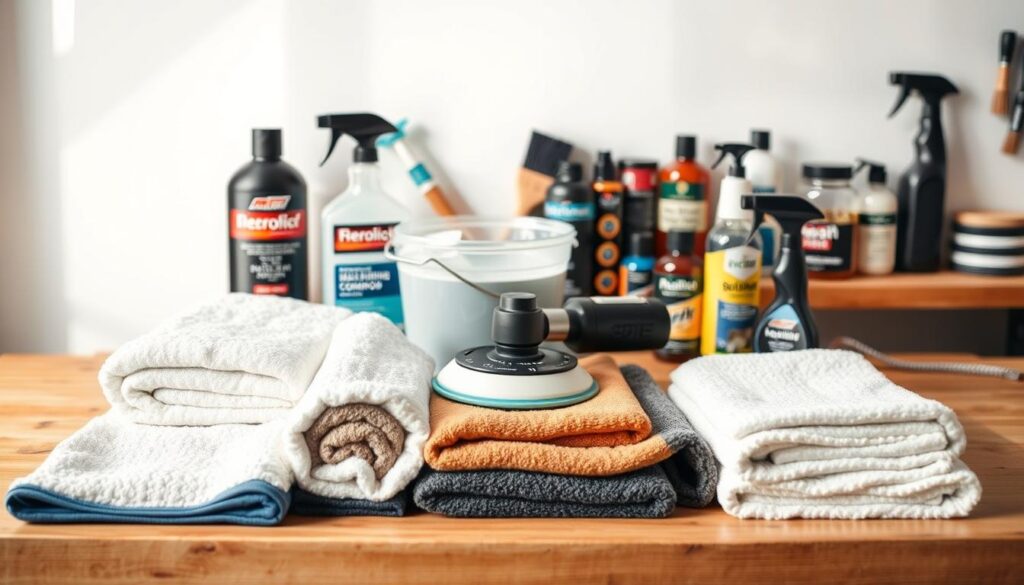
By investing in these essential car detailing supplies, beginners can achieve professional-looking results and maintain their vehicle’s appearance between detailing sessions.
Setting Up Your Detailing Workspace
A well-organized workspace is the foundation of effective car detailing. It not only makes the process more efficient but also helps in achieving a showroom shine.
Choosing the Right Location
When it comes to detailing your car, the location is crucial. You need a spot that is convenient and suitable for the task.
Shade vs. Direct Sunlight
Detailing in direct sunlight can lead to uneven drying and soap residue. Working in the shade, on the other hand, allows for a more controlled environment. If shade is not available, consider using a canopy or detailing under an awning.
Organizing Your Supplies
Having your supplies organized is key to an efficient detailing process. Use a detailing caddy or toolbox to keep all your products within easy reach. This not only saves time but also reduces the risk of misplacing essential items.
Water and Power Access
Ensure that your detailing area has access to water and power. You’ll need water for washing and rinsing, and power for tools like buffers or vacuum cleaners. Planning your workspace with these necessities in mind will make the detailing process smoother.
Pre-Washing Preparation
To achieve a showroom shine, start by inspecting and preparing your car for the detailing process. This crucial step ensures that your vehicle is ready for a thorough cleaning and helps prevent any potential damage during the detailing process.
Inspecting Your Vehicle
Begin by conducting a thorough inspection of your vehicle. Check for any existing damage, such as scratches or dents, and take note of areas that require extra attention. This step is essential in car detailing for beginners as it helps you understand what you’re working with.
Removing Personal Items
Remove all personal items from your vehicle, including trash, accessories, and other belongings. This will not only give you a clear workspace but also prevent any damage to your belongings during the detailing process.
Initial Rinse
Perform an initial rinse to remove loose dirt and debris. This step is a crucial car cleaning tip as it makes the subsequent detailing steps more effective.
Proper Pressure Washer Techniques
When using a pressure washer, maintain a safe distance from the vehicle’s surface to avoid damage. Use a wide fan tip to distribute the water pressure evenly, and avoid using high pressure on sensitive areas like windows and trim. For DIY car detailing, it’s essential to be gentle yet effective.
By following these pre-washing preparation steps, you’ll be well on your way to achieving a professional-level detail. Remember, the key to successful car detailing is patience and attention to detail.
Exterior Washing Techniques
To achieve a showroom shine, mastering exterior washing techniques is crucial. A proper wash not only enhances your car’s appearance but also protects its paint and exterior surfaces.
Two-Bucket Washing Method
The two-bucket washing method is a recommended technique to prevent cross-contamination of dirt and debris. One bucket is filled with soapy water, and the other with clean water for rinsing your wash mitt.
Grit Guard Benefits
Using a Grit Guard in your wash bucket helps to trap dirt and grit at the bottom, reducing the risk of scratching your car’s paint.
Proper Washing Motions
Washing your car in a top-to-bottom approach ensures that dirt and soap don’t run down onto clean areas.
Top-to-Bottom Approach
Start washing from the top of your car, working your way down to the wheels. This method prevents dirt from being dragged across clean surfaces.
Dealing with Stubborn Dirt
For stubborn dirt, use a soft-bristled brush or a detailing brush to gently remove debris without scratching the surface.
Drying Methods That Prevent Scratches
Use a microfiber drying towel to gently pat dry your car. Avoid rubbing motions that can cause scratches.
| Washing Technique | Benefits |
|---|---|
| Two-Bucket Method | Prevents cross-contamination, reduces scratch risk |
| Top-to-Bottom Approach | Prevents dirt from being dragged across clean surfaces |
| Microfiber Drying Towel | Gently dries the car, prevents scratches |
Wheel and Tire Cleaning
Wheel and tire cleaning is an essential part of car detailing that can significantly enhance your vehicle’s appearance. A clean wheel and tire combination can make your car look well-maintained and add to its overall aesthetic appeal.
Choosing the Right Wheel Cleaners
Selecting the appropriate wheel cleaner is crucial for effective cleaning without damaging the wheel’s surface. Wheel cleaners come in various formulas, including acid-based and non-acid based.
Acid vs. Non-Acid Formulas
Acid-based cleaners are effective against brake dust but can be harsh on certain wheel finishes. Non-acid formulas are safer but may not be as effective on stubborn grime. It’s essential to choose a cleaner that matches your wheel type.
Tire Shine Application
Applying tire shine not only enhances the appearance of your tires but also protects them from cracking. Use a tire dressing product and apply it evenly with a sponge or applicator pad.
Brake Dust Removal
Brake dust can be challenging to remove. Using a dedicated brake dust remover or a wheel cleaner with a brush can help in thorough removal.
Wheel Well Detailing
Don’t forget the wheel wells when cleaning your wheels. Use a high-pressure washer or a strong jet from a regular hose to remove debris, followed by a brush to scrub away remaining grime.
Car Detailing for Beginners: Paint Correction and Protection
Achieving a showroom shine on your vehicle requires more than just a regular wash; it demands a thorough understanding of paint correction and protection techniques. Paint correction is a multi-step process that involves understanding your vehicle’s paint type, removing contaminants, and applying protective layers to maintain the vehicle’s appearance.
Understanding Paint Types
Before diving into paint correction, it’s essential to understand the type of paint your vehicle has. Most modern cars have a clear coat finish, which provides a glossy appearance but is more prone to scratches and damage. Identifying whether your car has a single-stage or multi-stage paint job is crucial for choosing the right correction techniques.
Clay Bar Treatment
A clay bar treatment is a critical step in paint correction. It involves using a clay bar to remove surface contaminants that washing can’t eliminate. This process helps in achieving a smooth surface, which is essential for polishing and applying protective coatings.
How to Test Surface Contamination
To determine if your vehicle’s paint is contaminated, you can perform a simple test using a clay bar or a detailing spray. If the surface feels rough after applying the product, it’s likely contaminated and requires a clay bar treatment.
Polishing Basics
Polishing is a vital step in paint correction that involves removing minor scratches and imperfections. There are two primary methods: hand polishing and machine polishing.
Hand vs. Machine Polishing
Hand polishing is a more controlled method that is less likely to damage the paint, but it can be time-consuming. Machine polishing, on the other hand, is faster and more effective for larger areas but requires more skill to avoid damaging the paint.
| Polishing Method | Advantages | Disadvantages |
|---|---|---|
| Hand Polishing | More control, less risk of damage | Time-consuming, labor-intensive |
| Machine Polishing | Faster, effective for large areas | Requires skill, risk of damage if not done correctly |
Waxing and Sealants
After correcting the paint, applying a protective layer is essential to maintain the vehicle’s appearance. You can choose between waxing and sealants, each with its own benefits.
Synthetic vs. Natural Products
Synthetic products, like sealants, offer longer-lasting protection, while natural products, such as carnauba wax, provide a deep, warm glow. The choice depends on your preference for durability or appearance.
Application Techniques
When applying wax or sealants, it’s crucial to follow the manufacturer’s instructions. Generally, you should apply a small amount to a clean, dry surface and buff it out to a high shine.
By understanding paint types, using clay bar treatments, polishing, and applying protective coatings, you can achieve a showroom shine on your vehicle. Remember, practice makes perfect, so don’t be discouraged by initial results.
Interior Detailing Steps
Interior detailing is more than just a quick vacuum; it’s about restoring your car’s inner beauty. A thorough interior detailing not only enhances the aesthetic appeal of your vehicle but also contributes to a healthier driving environment.
Vacuuming Techniques
Effective vacuuming is the foundation of a well-detailed interior. Start by removing floor mats and shaking them out. Then, use a vacuum cleaner with various attachments to reach into tight spaces and crevices.
Attachment Selection for Different Areas
Different areas of your car’s interior require specific vacuum attachments. For instance, use a narrow nozzle for between seats and a brush attachment for upholstery.
Upholstery Cleaning
Cleaning upholstery requires care, as different materials demand different approaches. For fabric upholstery, use a gentle cleaner and a soft-bristled brush. For leather, a dedicated leather cleaner and conditioner are best.
Fabric vs. Leather Methods
Fabric upholstery needs a cleaning solution that’s not too wet to avoid soaking the fabric. Leather, on the other hand, requires a cleaner that won’t dry out the material, followed by a conditioner to keep it supple.
Dashboard and Console Care
The dashboard and console are prone to dust and UV damage. Use a microfiber cloth and a gentle cleaner to wipe down these areas.
UV Protection Products
To prevent UV damage, apply a UV protectant to the dashboard and console. This helps maintain the material’s integrity and appearance.
Carpet and Floor Mat Cleaning
Finally, clean the carpets and floor mats. Use a carpet cleaner for the interior carpets and a hose to clean the floor mats thoroughly.
Glass and Mirror Cleaning
To keep your car’s glass surfaces looking their best, it’s essential to use the right cleaning products and techniques. A clean windshield, windows, and mirrors not only enhance your vehicle’s appearance but also improve safety by reducing glare and improving visibility.
Streak-Free Window Cleaning
Achieving streak-free windows requires a microfiber cloth and a high-quality glass cleaner. Microfiber cloths are effective at picking up dirt without leaving behind lint or streaks.
Interior vs. Exterior Glass
When cleaning glass surfaces, it’s crucial to differentiate between interior and exterior glass. Exterior glass is exposed to more dirt and environmental factors, requiring a more robust cleaning approach.
Dealing with Stubborn Water Spots
Stubborn water spots can be removed using a mixture of white vinegar and water or a specialized water spot remover. Apply the solution to the affected area, let it sit for a few minutes, and then wipe clean with a microfiber cloth.
Windshield Treatment Products
Windshield treatment products, such as rain repellents, can improve visibility during rainy conditions. Rain repellents work by creating a hydrophobic surface that causes water to bead up and roll off the windshield.
Rain Repellents
Applying a rain repellent to your windshield can significantly enhance safety during rain. These products are easy to apply and can last for several months.
By following these car cleaning tips and using the right products, you can achieve professional-looking results at home. Whether you’re a beginner or an experienced detailer, these beginner car detailing tips will help you keep your car’s glass surfaces clean and clear.
Advanced Detailing Techniques
For those looking to dive deeper into the world of car detailing, advanced techniques offer a way to achieve professional-level results. As you become more comfortable with the basics, you’ll want to explore methods that can further enhance your vehicle’s appearance and longevity.
Engine Bay Cleaning
Cleaning the engine bay is a crucial step in advanced detailing. It not only improves the overall appearance of your vehicle but also helps in identifying potential issues before they become major problems. When cleaning the engine bay, it’s essential to take safety precautions to avoid damaging components or risking personal safety.
Safety Precautions
Before starting, ensure the engine is cool, and cover sensitive components like the air intake and electrical parts. Use a gentle cleaning product and avoid spraying water directly onto electrical components.
Headlight Restoration
Restoring headlights can significantly improve your vehicle’s appearance and safety. Over time, headlights can become cloudy or yellowed, reducing their effectiveness. The process involves sanding and polishing to restore clarity.
Sanding and Polishing Methods
Start with a fine-grit sandpaper to remove the oxidized layer, gradually moving to finer grits for a smoother finish. Follow up with a polishing compound to achieve a clear, glossy finish.
Leather Treatment
Leather interiors require special care to maintain their quality and appearance. Conditioning and protection are key to keeping leather soft and supple.
Conditioning and Protection
Use a high-quality leather conditioner to moisturize the leather, followed by a leather protector to guard against spills and UV damage.
Trim Restoration
Restoring trim can greatly enhance your vehicle’s exterior appearance. Use appropriate products to clean and restore the trim to its original condition.
By incorporating these advanced detailing techniques into your routine, you can achieve a showroom shine and maintain your vehicle’s condition over time.
Common Detailing Mistakes and How to Avoid Them
New to car detailing? Knowing the common pitfalls can help you achieve a showroom shine. Car detailing is not just about making your vehicle look good; it’s also about maintaining its condition and longevity. However, many beginners make mistakes that can lead to disappointing results or even damage their car’s surfaces.
Product Selection Errors
Using the wrong products is a common mistake in car detailing. Choosing the right cleaning products for your car’s specific surfaces is crucial. For example, using a household cleaner on your car’s paint can strip away the wax and damage the clear coat. Always read the labels and look for products specifically designed for car detailing.
Technique Problems
Improper techniques can also lead to poor results.
Improper Pressure
Applying too much pressure can scratch or damage surfaces. Use gentle, even motions when cleaning or drying your car.
Cross-Contamination
Using the same cloth or tool for different surfaces can transfer dirt and contaminants, causing scratches. Use separate microfiber towels for different areas of your car.
Environmental Factors
Detailing your car in direct sunlight or on a dirty surface can lead to poor results. Try to detail your car in a shaded area or on a clean, level surface.
Tool Maintenance Issues
Failing to maintain your detailing tools can reduce their effectiveness. Regularly clean and store your tools properly to ensure they remain in good condition.
By avoiding these common mistakes, you can achieve professional-looking results and keep your car in great condition. For more beginner car detailing tips, consider practicing regularly and staying informed about the best products and techniques.
Maintaining Your Car Between Details
To keep your car looking its best, regular maintenance between detailing sessions is crucial. This involves a combination of quick touch-ups, seasonal care, and using the right products to keep your vehicle in top condition.
Quick Touch-Up Methods
Between detailing sessions, quick touch-ups can make a big difference. Start by regularly washing your car to prevent dirt buildup. Use a microfiber cloth to wipe down surfaces, and apply a quick detailer to remove minor imperfections and add a layer of protection.
- Wipe down the dashboard and console with a microfiber cloth.
- Vacuum the interior, paying attention to crevices where dirt accumulates.
- Clean the windows with a glass cleaner to maintain visibility.
Seasonal Maintenance Tips
Different seasons bring different challenges for your car. Adjust your maintenance routine accordingly.
Winter Protection
In winter, protect your car’s exterior with a wax or sealant to prevent salt damage. Use a rubber mat to protect the floor from snow and ice.
Summer UV Defense
In summer, use a UV protectant on the dashboard and other interior surfaces to prevent fading. Regularly clean the exterior to remove tar and bug splatters.
Products for Regular Upkeep
Invest in quality products designed for DIY car detailing. This includes a good car wash, microfiber towels, and protectants for the interior and exterior.
Creating a Maintenance Schedule
To keep your car in top condition, create a maintenance schedule. Set reminders for regular tasks like washing, waxing, and interior cleaning. Consistency is key to maintaining your car’s appearance between detailing sessions.
Conclusion
Car detailing is a skill that can be developed with practice and patience, as outlined in this beginner car detailing guide. By following the easy car detailing steps outlined in the previous sections, you’ll be well on your way to achieving a showroom shine.
Using the right car detailing products for beginners is crucial in getting the job done effectively. From basic cleaning products to specialized tools and equipment, having the right supplies will make a significant difference in the outcome.
As you’ve learned, car detailing involves more than just washing and waxing your vehicle. It requires attention to detail, the right techniques, and a commitment to maintaining your car’s appearance. By applying the knowledge gained from this guide, you’ll not only enhance your car’s look but also protect its surfaces and maintain its overall value.
Continue to practice and refine your skills, and you’ll become proficient in car detailing. With time, you’ll develop your own techniques and preferences, allowing you to take your detailing skills to the next level.