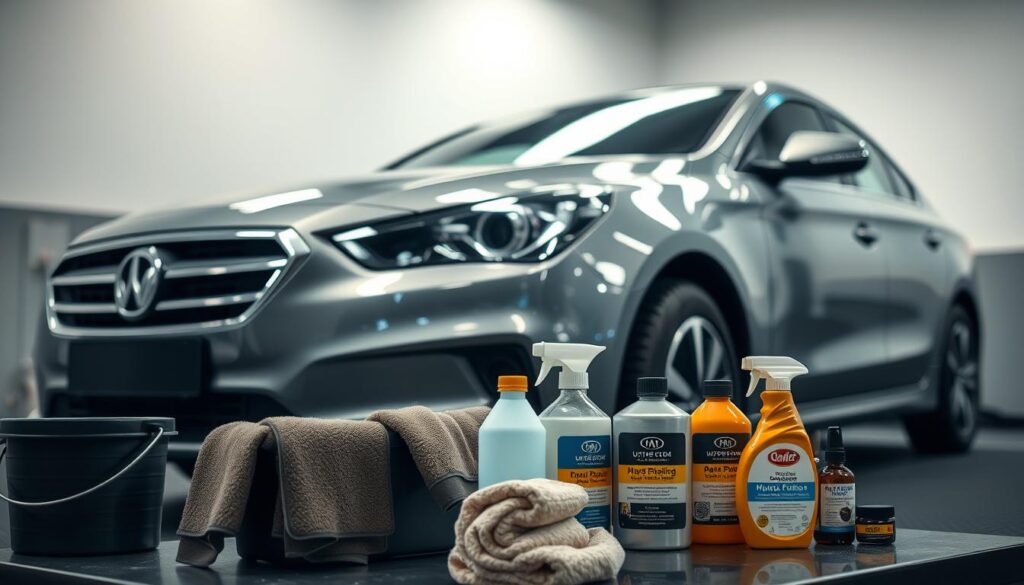
A well-maintained vehicle not only looks great, but it also reflects the owner’s personality. Professional car detailing hacks can make a significant difference in the appearance and longevity of your vehicle.
With the right techniques and a bit of practice, you can achieve a showroom shine without breaking the bank. In this article, we’ll explore simple yet effective car detailing hacks to help you get the job done.
By incorporating these tips into your regular maintenance routine, you’ll be able to keep your vehicle looking its best and protect your investment.
Key Takeaways
- Simple techniques for achieving a professional car detailing finish
- Effective hacks for maintaining your vehicle’s appearance
- Tips for protecting your vehicle’s interior and exterior
- DIY car detailing methods for a showroom shine
- Best practices for regular vehicle maintenance
The Hidden Benefits of DIY Car Detailing
Embracing DIY car detailing hacks can transform your vehicle’s appearance without breaking the bank. By adopting best car cleaning techniques, you not only save money but also achieve professional-looking results.
Why Professional-Looking Results Don’t Require Professional Prices
With the right DIY car detailing tricks, you can give your car a showroom shine. The key is using the correct products and techniques, which can be learned through practice and patience.
Essential Tools for Your Detailing Arsenal
To get started, you’ll need a few essential tools. These include microfiber cloths, a soft-bristle brush, and a detailing spray. 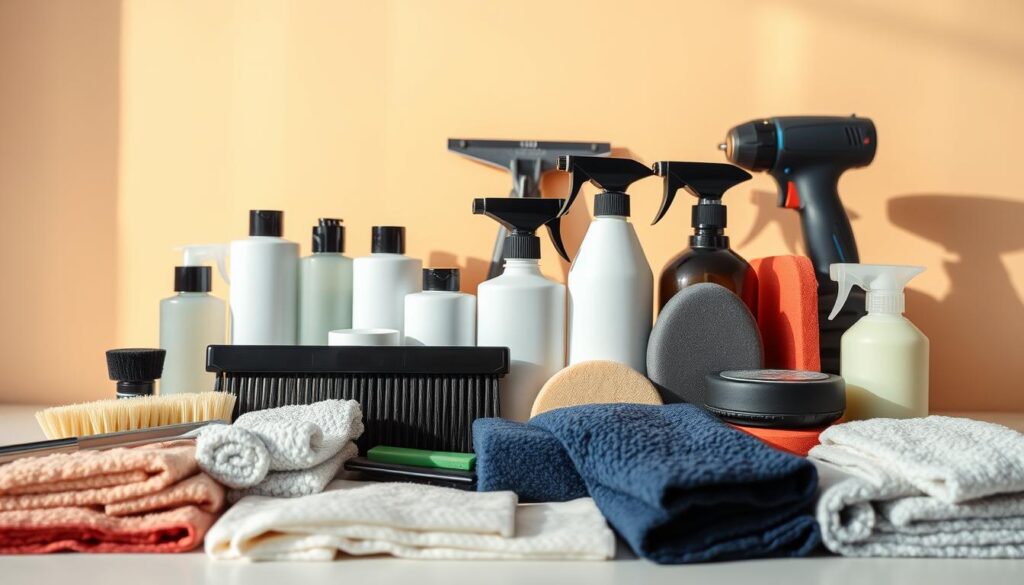 Investing in these basics will help you achieve a professional finish.
By mastering DIY car detailing, you can enjoy a cleaner, more polished vehicle without the hefty price tag. It’s all about applying the right techniques and using the appropriate tools.
Restore Foggy Headlights with Toothpaste in Under 10 Minutes
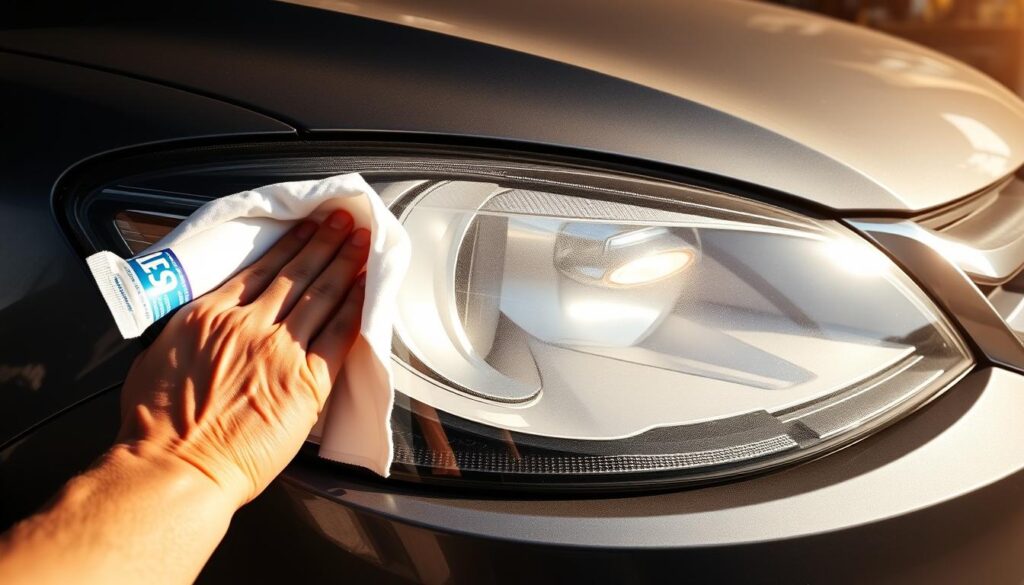
Toothpaste, a staple in most households, offers a surprising solution for foggy headlights. This common DIY hack is not only cost-effective but also easy to implement, making it a favorite among car enthusiasts. By using toothpaste, you can restore your vehicle’s headlights to their former clarity, enhancing both the appearance and safety of your car.
Why Toothpaste Works Better Than Commercial Products
Toothpaste contains mild abrasives that help remove the foggy layer from headlights. Unlike some commercial products, toothpaste is gentle yet effective, making it an ideal solution for this task. The abrasives in toothpaste work to polish the headlight surface, removing grime and oxidation that cause fogginess.
The key to success lies in the type of toothpaste used. A non-gel, whitening toothpaste is recommended because it contains the right amount of abrasiveness needed for the job. Avoid using gel toothpaste as it may not be as effective.
Step-by-Step Application Technique
Applying toothpaste to foggy headlights is a straightforward process. First, clean the headlights with soap and water, then dry them thoroughly. Next, apply a small amount of toothpaste to the headlight and rub it in a circular motion using a soft cloth. Continue rubbing until the fogginess starts to clear.
- Rinse the headlight with water.
- Dry it with a microfiber cloth.
- Repeat the process if necessary.
Maintaining Clarity After Treatment
To maintain the clarity of your headlights after treatment, consider applying a layer of car wax. This will help protect the surface from future grime and oxidation, keeping your headlights clear for longer. Regular car waxing tips include reapplying wax every few months to maintain the protective layer.
For a more detailed guide on how to restore your headlights like a pro, check out our full blog post: DIY Headlight Restoration: Clear Foggy Lenses in Minutes.
By following these simple steps, you can keep your headlights looking new and improve your vehicle’s overall appearance.
Use Olive Oil to Revive Dried-Out Dashboard and Trim
Olive oil, a staple in many kitchens, can work wonders for your car’s interior. When it comes to reviving dried-out dashboard and trim, this common household item is both effective and economical.
Kitchen Ingredients vs. Commercial Dashboard Products
Commercial dashboard products can be expensive and often contain harsh chemicals. In contrast, olive oil is a natural, non-toxic alternative that can provide similar, if not better, results. Here are some key benefits:
- Cost-effective: Olive oil is likely something you already have at home.
- Environmentally friendly: It’s biodegradable and free from harsh chemicals.
- Easy to apply: Simply apply a small amount to a microfiber cloth and wipe down the surfaces.
Application Method for Streak-Free Results
To achieve streak-free results, follow these steps:
- Dampen a microfiber cloth with a small amount of olive oil.
- Gently wipe down the dried-out areas, ensuring even coverage.
- Use a clean, dry microfiber cloth to buff the surfaces and remove any excess oil.
By using olive oil, you can keep your car’s interior looking fresh and well-maintained without breaking the bank or exposing yourself to harsh chemicals. This DIY car detailing trick is a simple yet effective way to maintain your vehicle’s interior.
Eliminate Pet Hair with Rubber Gloves and Static Electricity
Removing pet hair from your car’s upholstery can be a daunting task, but static electricity and rubber gloves offer a surprisingly effective solution. This method is not only easy to apply but also doesn’t require any special equipment beyond what you might already have at home.
The Science Behind the Static Hair Removal Method
The principle behind using rubber gloves to remove pet hair lies in static electricity. When you rub a rubber glove over the upholstery, it generates static electricity that attracts the pet hair, making it cling to the glove. This simple yet effective technique is a great example of the best car cleaning techniques for pet owners.
Tackling Different Upholstery Types Effectively
Different types of upholstery may require slightly different approaches when using the rubber glove method. Here are some tips:
- For fabric upholstery, gently rub the gloved hand over the area to generate static electricity.
- For leather or vinyl, be gentle to avoid scratching the surface.
- For stubborn areas, you can dampen the glove slightly to enhance static generation.
By incorporating this technique into your car cleaning routine, you’ll be utilizing one of the most effective interior car detailing secrets for a hair-free interior.
Game-Changing Car Detailing Hacks for Interior Spaces
To achieve a showroom-ready interior, you need to know the right car detailing hacks. The interior of your vehicle is just as important as the exterior, and detailing it requires attention to detail and the right techniques. Here are some game-changing hacks to help you get the job done.
Cleaning Air Vents with Foam Paintbrushes
Cleaning air vents can be a daunting task, but using foam paintbrushes can make it a breeze. These soft-bristled brushes can reach deep into the vents, removing dust and debris without damaging the surrounding surfaces. Simply insert the brush into the vent and gently sweep away any dirt or dust.
Using Compressed Air for Crevices and Electronics
Compressed air is a powerful tool for cleaning tight spaces and electronics in your car’s interior. Use it to blow out dust and debris from crevices, buttons, and screens. Be cautious not to push too hard, as compressed air can damage sensitive components.
Microfiber Techniques for Fingerprint-Free Surfaces
Microfiber cloths are a detailing essential, and using them correctly can leave your interior surfaces fingerprint-free. Use a dry microfiber cloth to wipe down surfaces, and for tougher stains, dampen the cloth with water or a cleaning solution. Avoid using too much moisture, as it can damage certain materials.
By incorporating these car detailing hacks into your routine, you’ll be able to achieve a cleaner, more polished interior that looks and feels like new.
Transform Dirty Cup Holders with Cupcake Liners and Vinegar
Dirty cup holders can be a nuisance, but a simple hack involving cupcake liners and vinegar can restore them to their former glory. This DIY car detailing trick is not only effective but also easy on the wallet.
Quick-Soak Method for Stubborn Grime
To start, place a cupcake liner in the dirty cup holder and add a small amount of vinegar. Let it sit for a few minutes to allow the vinegar to penetrate the grime. The acidity in the vinegar helps break down the tough stains, making it easier to clean.
After the quick-soak, remove the liner and scrub the area gently with a soft brush. Rinse thoroughly with water, and you’ll be surprised at how clean the cup holder becomes.
Preventative Measures for Long-Term Cleanliness
To keep your cup holders clean for longer, consider implementing a few best car cleaning techniques. Regularly wiping down the cup holders with a damp cloth can prevent grime buildup. Additionally, placing a small silicone mat or liner in the cup holder can make future cleanings a breeze.
By incorporating these simple tips into your car maintenance routine, you can enjoy cleaner cup holders and a more pleasant driving experience.
Detail Hard-to-Reach Areas with Old Makeup Brushes
Old makeup brushes can be repurposed as a valuable tool in your car detailing arsenal. The soft bristles and precise tips of these brushes make them ideal for dusting and cleaning tight spaces within your vehicle’s interior.
When detailing your car, it’s essential to pay attention to areas that are often overlooked, such as air vents, dashboard crevices, and between seats. Using old makeup brushes can help you get into these tight spaces and remove dust and dirt effectively.
Matching Brush Types to Different Interior Surfaces
Different surfaces require different brush types. For example, soft-bristled brushes are best for delicate surfaces like dashboard trim and air vents, while stiffer brushes can be used for more robust areas like between seats and under the dashboard.
- Soft-bristled brushes for delicate surfaces
- Stiff-bristled brushes for more robust areas
- Angled brushes for tight corners and crevices
Creating a Detailing Brush Kit on a Budget
Creating a detailing brush kit on a budget is easy. Start by gathering old makeup brushes of various sizes and types. You can also repurpose paintbrushes or small dusting brushes. Store them in a container or bag, and you’ll have a handy kit for future detailing tasks.
Tips for Your Detailing Brush Kit:
- Clean your brushes regularly to prevent dirt buildup
- Use a variety of brush sizes for different tasks
- Store your brushes in a protective case to keep them clean and organized
Mix Your Own Waterless Wash Solution for Spot Cleaning
For car owners looking to maintain their vehicle’s exterior without the hassle of traditional washing, a DIY waterless wash solution is a game-changer. This simple, effective method allows you to keep your car clean between washes, using a solution you can easily mix at home.
Simple DIY Formula That Rivals Commercial Products
Creating your own waterless wash solution is surprisingly straightforward. Mix 1 cup of water, 1/2 cup of white vinegar, and 1 tablespoon of mild dish soap in a spray bottle. Shake well to combine. This formula is effective at lifting dirt and grime without damaging your car’s wax or paint finish.
- Eco-friendly: Reduces water usage and avoids harsh chemicals.
- Cost-effective: Uses common household ingredients.
- Convenient: Perfect for quick cleanups on the go.
Application and Microfiber Buffing Techniques
To use your DIY waterless wash solution, simply spray it onto the dirty area, let it sit for a moment, and then gently wipe clean with a microfiber cloth. For tougher spots, you may need to apply a bit more pressure or repeat the process. Buffing with a dry microfiber cloth afterward helps prevent streaks and water spots, leaving your car looking shiny and new.
- Spray the solution onto the dirty area.
- Wipe clean with a microfiber cloth.
- Buff with a dry microfiber cloth to prevent streaks.
When to Use Waterless vs. Traditional Washing
While a waterless wash solution is great for spot cleaning and maintenance, it’s not a replacement for regular washing. Use it to touch up between washes or in situations where water is not available. For a deeper clean, traditional washing is still recommended.
By incorporating a DIY waterless wash solution into your exterior car detailing hacks routine, you can keep your car looking its best with minimal effort. Plus, it’s a great way to maintain the protective wax layer, supporting your car waxing tips for long-term shine and protection.
Rejuvenate Faded Black Trim with Household Oil Products
Restoring faded black trim to its former glory is easier than you think. Faded black trim can detract from a vehicle’s appearance, but with the right techniques and products, you can restore it to its original condition.
Comparing Peanut Butter, Olive Oil, and Commercial Restorers
When it comes to rejuvenating faded black trim, household products like peanut butter and olive oil can be surprisingly effective. Peanut butter, for instance, contains oils that can help restore the trim’s original shine. Similarly, olive oil is known for its moisturizing properties, which can help revive dull trim. But how do these compare to commercial restorers? While commercial products are specifically designed for this purpose, household oils offer a cost-effective and readily available alternative.
Application Process and Long-Term Protection Tips
To apply these products, start by cleaning the trim thoroughly. Then, using a soft cloth, apply a small amount of your chosen product to the trim. Gently rub it in, ensuring an even coat. For long-term protection, regular cleaning and occasional reapplication of the product can help maintain the trim’s appearance. Additionally, using a protective coating after restoration can provide further protection against the elements.
By following these simple steps and using household oil products, you can effectively rejuvenate your vehicle’s faded black trim, enhancing its overall appearance with exterior car detailing hacks and simple car polishing techniques.
Taking Your Vehicle from Ordinary to Showroom-Ready
By applying the car detailing hacks discussed throughout this article, you can significantly enhance your vehicle’s appearance, taking it from ordinary to showroom-ready. With professional car detailing tips and auto detailing pro tips, you can achieve a like-new finish without breaking the bank.
Restoring foggy headlights, reviving dried-out dashboard trim, and eliminating pet hair are just a few of the tasks that can be accomplished with simple, cost-effective methods. By incorporating these techniques into your regular car maintenance routine, you’ll not only improve your vehicle’s aesthetic appeal but also protect its surfaces from long-term damage.
As you continue to refine your detailing skills, you’ll be able to tackle even the most challenging areas, such as hard-to-reach crevices and stubborn stains. With the right tools and a bit of practice, you’ll be able to give your vehicle a showroom-ready shine that turns heads on the road.