Are you wondering how to keep your vehicle in top condition and avoid costly repairs down the road? Regular vehicle care is crucial for extending the life of your ride and ensuring your safety on the road. By following simple maintenance routines, you can prevent wear and tear, improve fuel efficiency, and keep your vehicle running smoothly. In this article, we’ll explore essential car maintenance tips to help you maintain your vehicle’s performance and longevity.
Key Takeaways
- Regular oil changes are crucial for engine health
- Check tire pressure monthly for optimal performance
- Replace air filters to improve fuel efficiency
- Inspect brakes regularly for safety
- Keep your vehicle clean to prevent rust and damage
Why Regular Car Maintenance Matters
The importance of regular car maintenance cannot be overstated, as it affects your vehicle’s lifespan and safety. Regular maintenance is the key to keeping your car in optimal condition, ensuring it runs efficiently and effectively.
By following best car maintenance practices, you can significantly extend your vehicle’s lifespan. Regular maintenance helps prevent wear and tear on the vehicle’s components, reducing the need for costly repairs down the line.
Extending Your Vehicle’s Lifespan
Regular maintenance tasks such as oil changes, tire rotations, and brake pad replacements help to keep your vehicle’s components in good condition. This not only improves your car’s performance but also extends its lifespan.
Saving Money on Costly Repairs
Neglecting regular maintenance can lead to costly repairs. By following an auto maintenance tips guide, you can identify potential issues before they become major problems, saving you money in the long run.
Ensuring Safety on the Road
A well-maintained vehicle is safer to drive, as it is less likely to experience a breakdown or malfunction. Regular maintenance ensures that your car’s safety features, such as brakes and tires, are in good working condition, keeping you and your passengers safe on the road.
Creating a car maintenance checklist can help you stay on track with regular maintenance tasks, ensuring your vehicle remains in top condition.
Understanding Your Owner’s Manual
Your car’s owner’s manual is more than just a guide; it’s a roadmap to maintaining your vehicle’s health. It contains vital information on diy car maintenance, helping you understand how to keep your car in top condition.
Maintenance Schedules Explained
The manual outlines a maintenance schedule, detailing when your vehicle needs services such as oil changes and tire rotations. Following this schedule is crucial for preventing premature wear and tear.
Model-Specific Requirements
Your owner’s manual also provides model-specific requirements, including the type of oil to use and how to check your vehicle’s fluid levels. Adhering to these guidelines ensures you’re providing the best possible care for your vehicle.
Warranty Considerations
Understanding the warranty section of your manual is vital. It explains what’s covered and what’s not, helping you avoid actions that could void your warranty and potentially save you money on vehicle maintenance tips.
By familiarizing yourself with your owner’s manual, you can take a proactive approach to car maintenance tips, ensuring your vehicle remains reliable and runs smoothly for years to come.
Essential Car Maintenance Tips Every Owner Should Know
To keep your car in top condition, it’s essential to follow a comprehensive car maintenance checklist. Regular checks and maintenance tasks can significantly enhance your vehicle’s performance and longevity.
Daily and Weekly Checks
Daily and weekly checks are vital for identifying potential issues before they become major problems. These checks include:
Visual Inspections
Conduct a visual inspection around your vehicle to check for any signs of damage or wear. Look for leaks, damaged tires, or loose exterior parts.
Fluid Level Quick Checks
Regularly check your vehicle’s fluid levels, including engine oil, coolant, brake fluid, and windshield washer fluid. Ensure each is at the recommended level.
Monthly Maintenance Tasks
Monthly tasks are crucial for maintaining your vehicle’s health. These tasks may include oil changes, tire rotations, and brake pad inspections. Refer to your owner’s manual for a detailed basic car maintenance checklist.
Seasonal Care Requirements
Different seasons bring different challenges for your vehicle. For example, winter requires checking your battery, antifreeze, and tire condition, while summer demands attention to your cooling system and tire pressure.
| Maintenance Task | Frequency | Importance Level |
|---|---|---|
| Oil Change | Every 5,000 miles | High |
| Tire Rotation | Every 6,000 miles | Medium |
| Brake Pad Inspection | Every 10,000 miles | High |
By following these car care tips and maintaining a regular maintenance schedule, you can ensure your vehicle remains in good condition and runs efficiently.
Oil Changes: The Lifeblood of Your Engine
Regular oil changes are the key to maintaining your vehicle’s health and ensuring its longevity. Engine oil lubricates the engine’s moving parts, prevents corrosion, and helps to cool the engine. Without regular oil changes, your engine can suffer from increased wear and tear, leading to costly repairs.
How Often to Change Your Oil
The frequency of oil changes depends on several factors, including the type of oil used, driving conditions, and the manufacturer’s recommendations. Typically, conventional oil should be changed every 5,000 to 7,500 miles, while synthetic oil can last up to 10,000 miles or more. It’s essential to consult your owner’s manual for the recommended oil change interval.
Choosing the Right Oil Type
Selecting the correct type of oil for your vehicle is crucial for optimal engine performance. Different engines require different types of oil, such as conventional, synthetic, or synthetic blend. Using the wrong type of oil can lead to decreased fuel efficiency and potentially damage your engine.
DIY Oil Change Steps
Changing your oil yourself can be a cost-effective and straightforward process. Here are the basic steps:
Tools You’ll Need
- Socket wrench or ratchet
- Oil drain pan
- New oil filter
- Oil filler cap
- New oil
Step-by-Step Process
- Drain the old oil into a pan by removing the oil drain plug.
- Replace the oil drain plug and remove the old oil filter.
- Install a new oil filter and fill the engine with new oil.
- Replace the oil filler cap and check for leaks.
Tire Care and Maintenance
Maintaining your tires is crucial for ensuring a smooth ride, optimal fuel efficiency, and vehicle safety. Proper tire care involves several key practices that can significantly impact your vehicle’s performance and longevity.
Proper Tire Pressure Monitoring
One of the most critical aspects of tire maintenance is ensuring that your tires are inflated to the correct pressure. Proper tire pressure can improve fuel efficiency, handling, and safety. It’s recommended to check tire pressure at least once a month and before long trips. The correct pressure can be found in your vehicle’s owner’s manual or on the tire information placard on the driver’s side doorjamb.
Rotation and Alignment Schedule
Regular tire rotation and alignment are essential for extending the life of your tires and ensuring even wear. Most vehicle manufacturers recommend rotating tires every 5,000 to 8,000 miles. Proper alignment ensures that your tires wear evenly and that your vehicle handles correctly. Misaligned wheels can lead to uneven tire wear and potentially cause safety issues.
When to Replace Your Tires
Knowing when to replace your tires is crucial for maintaining safety on the road. There are several indicators that it’s time to replace your tires, including tread depth and signs of damage.
Tread Depth Measurement
A simple way to check tread depth is by using a penny. Insert the penny into the tire groove with Lincoln’s head facing down. If you can see the top of Lincoln’s head, your tread is worn down to 2/32″ and it’s time to replace your tires.
Signs of Tire Damage
Regularly inspect your tires for signs of damage, such as cracks, bulges, or uneven wear. Any damage that affects the tire’s integrity can be a safety hazard and may require immediate replacement.
By following these tire care and maintenance tips, you can ensure your vehicle runs smoothly, efficiently, and safely. Regular checks and maintenance can help prevent unnecessary wear and tear, saving you money in the long run.
Brake System Maintenance
A well-maintained brake system is essential for preventing accidents and ensuring driver safety. The brakes are a critical component of your vehicle, and neglecting their maintenance can lead to severe consequences.
Warning Signs of Brake Problems
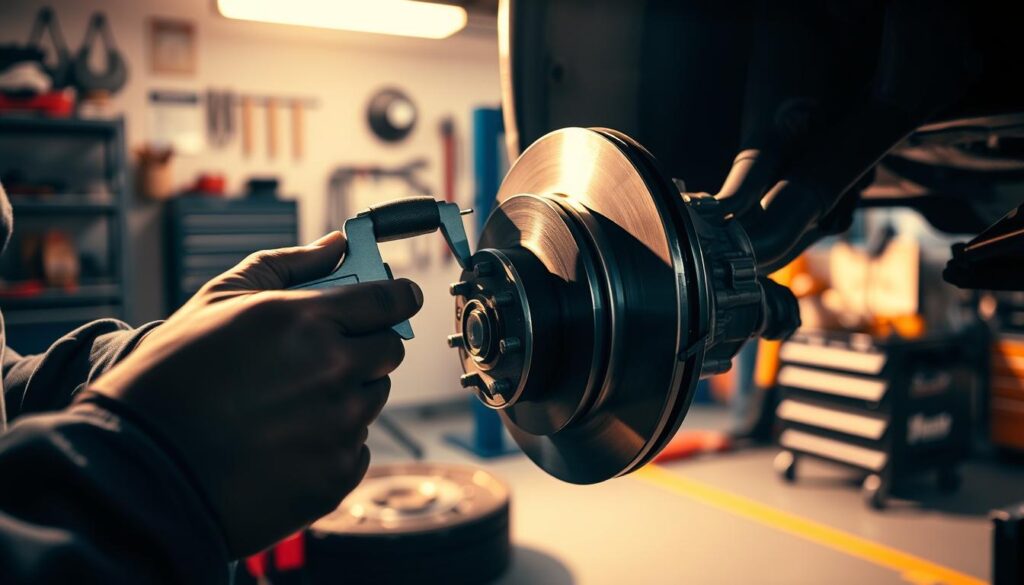
It’s crucial to be aware of the warning signs that indicate brake problems. These include squealing or grinding noises when applying the brakes, vibrations felt through the brake pedal, and a spongy brake pedal. If you notice any of these signs, it’s essential to have your brakes inspected immediately.
Brake Pad Replacement Timeline
Brake pads are a wear-and-tear item and need to be replaced periodically. The frequency of replacement depends on various factors, including driving habits and conditions. Typically, brake pads should be inspected every 10,000 to 15,000 miles, and replaced when they reach a thickness of 3 mm or less.
Brake Fluid Checks and Changes
Brake fluid plays a vital role in the functioning of your brake system. It’s essential to check the brake fluid level regularly and top it off as needed. Additionally, brake fluid should be changed every 30,000 to 50,000 miles or as recommended by your vehicle’s manufacturer.
By following these brake maintenance tips, you can ensure your vehicle’s safety and performance. Regular checks and timely replacements can help prevent costly repairs and maintain your vehicle’s overall health.
Battery Care and Electrical System Checks
Maintaining your car’s battery and electrical system can prevent unexpected breakdowns. A well-functioning battery is crucial for starting your car and powering its electrical components. Regular maintenance can extend the life of your battery and ensure your vehicle’s electrical system operates smoothly.
Battery Lifespan and Replacement
Most car batteries last between three to five years, depending on factors like climate, driving habits, and maintenance. It’s essential to monitor your battery’s age and condition. If you notice signs of wear, such as slow engine crank or dim headlights, consider having your battery tested or replaced.
Cleaning Battery Terminals
Corrosion on battery terminals can disrupt your car’s electrical system. Cleaning the terminals is a simple process that requires some safety precautions.
Safety Precautions
Before cleaning, ensure your car is turned off and wear protective gloves and eyewear. Disconnect the negative (black) cable first, followed by the positive (red) cable.
Cleaning Process
Use a wire brush to remove corrosion from the terminals. Mix baking soda and water to create a paste, and apply it to the terminals. Let it sit for a few minutes before rinsing with water. Reconnect the cables in reverse order.
Checking Alternator Performance
The alternator charges your car’s battery and powers its electrical system while the engine is running. A failing alternator can lead to battery drain and other electrical issues. Have your alternator checked if you notice dim or flickering lights, or if your battery is frequently drained.
Fluid Levels and Replacements
Maintaining the right fluid levels is crucial for your vehicle’s performance and longevity. Regular checks and replacements can help prevent engine damage and ensure your car runs smoothly.
Coolant System Maintenance
The coolant system is vital for regulating engine temperature. Checking coolant levels regularly can help prevent overheating.
Checking Coolant Levels
To check the coolant level, locate the coolant reservoir and ensure the level is between the minimum and maximum marks. Top it off as necessary with the recommended coolant type.
Flushing the Radiator
Flushing the radiator is an essential maintenance task that should be performed every 30,000 to 50,000 miles. This process removes rust and corrosion, helping to maintain the system’s efficiency.
Transmission Fluid Care
Transmission fluid is crucial for the smooth operation of your vehicle’s transmission. Regular checks and changes can help prevent damage and extend its lifespan.
Power Steering and Brake Fluid
Power steering fluid facilitates smooth steering, while brake fluid is essential for the braking system. Low levels or contaminated fluid can lead to system failures.
Windshield Washer Fluid
Windshield washer fluid is often overlooked but is vital for maintaining clear visibility. Regularly check the level and refill as necessary, especially before long trips.
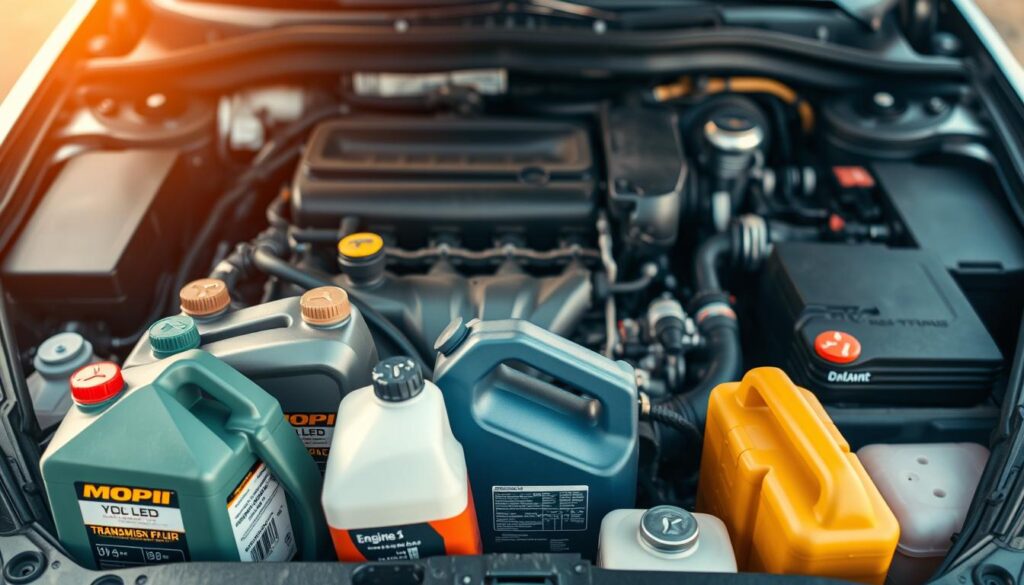
By following these auto maintenance tips and including fluid checks in your car maintenance checklist, you can ensure your vehicle remains in good condition and runs efficiently.
Filter Replacements and Air Flow
Filter maintenance is a critical aspect of car care that is often overlooked. Regular filter replacements can significantly improve your vehicle’s performance, reduce emissions, and prevent allergens and pollutants from entering the cabin.
Air Filter Maintenance
The air filter is responsible for ensuring that the air entering your engine is clean and free from debris. A dirty air filter can lead to decreased fuel efficiency, reduced performance, and increased emissions. It is recommended to check and replace the air filter every 15,000 to 30,000 miles.
For those looking to replace their air filter, here are some highly rated options available on Amazon:
Cabin Air Filter Changes
The cabin air filter plays a crucial role in maintaining the air quality inside your vehicle. It filters out dust, pollen, and other pollutants, ensuring a comfortable and healthy environment for drivers and passengers. Replace the cabin air filter every 12,000 to 18,000 miles or as needed.
Fuel Filter Replacement
The fuel filter is essential for maintaining the health of your engine by filtering out contaminants in the fuel. A clogged fuel filter can cause poor engine performance, decreased fuel efficiency, and potentially damage your engine. Typically, the fuel filter should be replaced every 15,000 to 30,000 miles.
| Filter Type | Replacement Interval | Importance |
|---|---|---|
| Air Filter | 15,000 – 30,000 miles | High |
| Cabin Air Filter | 12,000 – 18,000 miles | Medium |
| Fuel Filter | 15,000 – 30,000 miles | High |
By following these filter replacement guidelines, you can ensure your vehicle runs efficiently, maintains good air quality, and prolongs its lifespan.
Seasonal Car Maintenance Tips
Different seasons bring different challenges for your vehicle, making seasonal maintenance crucial. To keep your car running smoothly and safely, it’s essential to adjust your maintenance routine according to the changing weather conditions.
Winter Preparation Checklist
Before winter sets in, ensure your car is prepared for the cold weather. Check your antifreeze levels and top them off if necessary. Replace your windshield wipers with winter-specific ones for better visibility. Use winter tires for improved traction on snowy and icy roads. Also, keep your gas tank at least half full to prevent fuel line freeze.
Summer Heat Protection
Summer brings its own set of challenges, including heat and sun exposure. Check your coolant levels regularly to prevent engine overheating. Ensure your air conditioning is working efficiently to keep you cool. Regularly inspect your tire pressure as it can increase with rising temperatures.
Spring and Fall Transition Maintenance
During spring and fall, use these transitional periods to inspect your vehicle thoroughly. Check your battery and belts for wear and tear. In the spring, inspect your vehicle for any damage from winter, and in the fall, prepare your car for the upcoming winter by checking the heating system and ensuring your lights are clean and functional.
By following these seasonal car maintenance tips, you can ensure your vehicle remains in good condition throughout the year, enhancing its performance and longevity. For more advice on safeguarding your vehicle’s paint, especially against harsh weather, check out our blog: Tips for Paint Protection: Protect Your Paint in Harsh Weather.
Conclusion: Keeping Your Vehicle in Top Condition
Regular car maintenance is crucial to extend the life of your vehicle, prevent costly repairs, and ensure safety on the road. By following the car maintenance tips outlined in this article, you can keep your ride running smoothly and efficiently.
From oil changes and tire care to brake system maintenance and fluid level checks, every aspect of vehicle maintenance plays a vital role in maintaining your car’s overall health. By staying on top of these tasks, you can help prevent breakdowns and reduce the need for costly repairs down the line.
By incorporating these vehicle maintenance tips into your routine, you can enjoy a safer, more reliable driving experience. Remember to consult your owner’s manual for specific car care tips tailored to your vehicle’s make and model. With regular maintenance, you can keep your vehicle running like new for years to come.