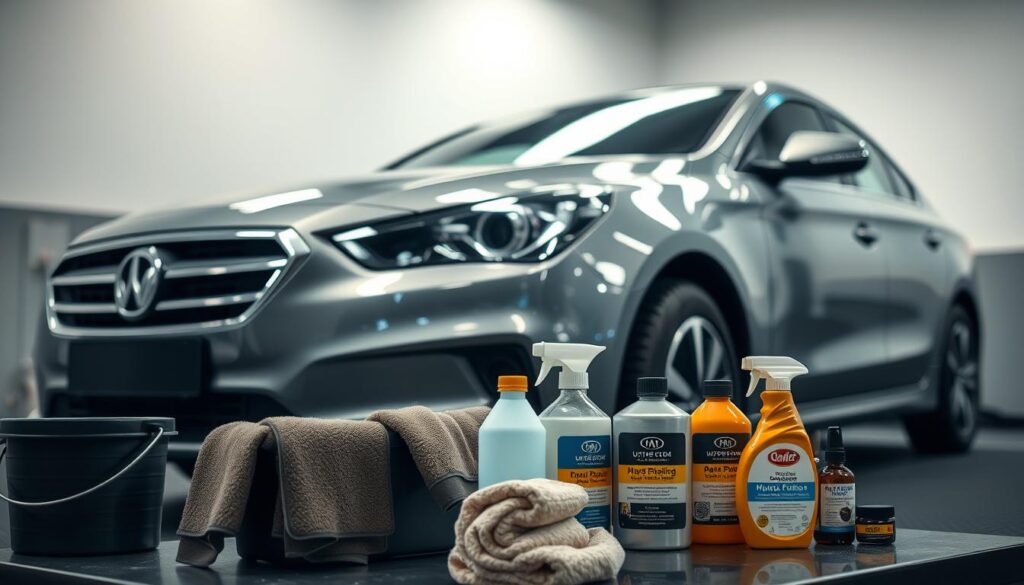
Are you confused about whether to use car wax or polish on your vehicle? You’re not alone. Many car owners struggle to understand the difference between these two products, often using them interchangeably. However, they serve distinct purposes and offer unique benefits.
Using the right product can make a significant difference in maintaining your vehicle’s appearance and protecting its paint. While both products are used to enhance the look of your vehicle, they have different formulations and functions. Understanding their differences is crucial to achieving the desired results.
In this article, we’ll delve into the specifics of wax and polish, exploring their differences and helping you make an informed decision.
What Are car Wax and Polish?
Wax and polish are two fundamental products in the car care arsenal, each with its own unique benefits. Understanding what they are and what they do is crucial for maintaining your vehicle’s appearance and protecting its surface.
Definition and Purpose of Car Wax
This is a protective coating applied to the vehicle’s paint surface. Its primary purpose is to shield the paint from environmental elements such as UV rays, rain, and dust. A good wax provides a barrier that prevents damage and makes cleaning easier. The definition of car wax encompasses its role as a protective layer that enhances the vehicle’s shine and makes maintenance simpler.
Definition and Purpose of Polish
Car polish, on the other hand, is a product used to correct and refine the vehicle’s paint surface. Its purpose is to remove imperfections such as scratches, oxidation, and swirl marks, restoring the paint’s original gloss. The definition of car polish involves its abrasive or non-abrasive compounds that work to smooth out the paint surface, improving its clarity and reflectivity.
The Science Behind the Wax
To appreciate the benefits of car wax, it’s essential to delve into its scientific aspects. Car wax is more than just a cosmetic product; it’s a protective barrier that shields your vehicle’s paint from environmental damage.
Types of Car Wax
Car waxes are broadly categorized into two types: natural and synthetic. Each type has its unique characteristics and benefits.
Natural Carnauba Wax
Natural carnauba wax, derived from the leaves of the carnauba palm tree, is prized for its high-gloss finish and durability. It’s a popular choice among car enthusiasts due to its natural origin and effectiveness.
Synthetic Wax and Sealants
Synthetic waxes and sealants, on the other hand, are man-made and offer enhanced durability and protection against the elements. They are often more consistent in quality and can provide longer-lasting protection than natural waxes.
How Car Wax Protects Your Vehicle
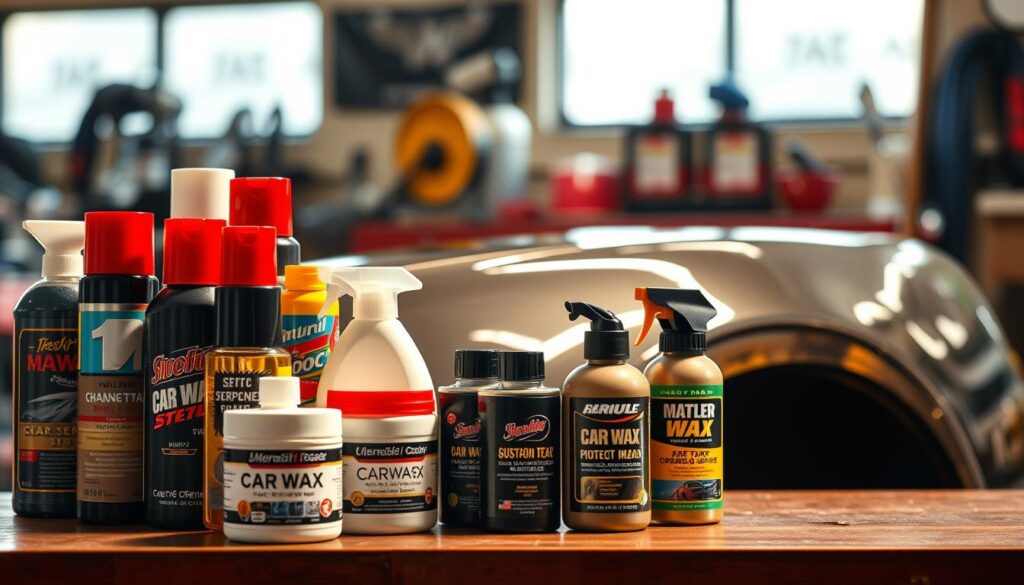
Car wax protects your vehicle by creating a hydrophobic barrier on the paint surface, repelling water and reducing the risk of water spots. It also shields the paint from UV rays, contaminants, and minor scratches, thereby maintaining the vehicle’s appearance and paint integrity.
The protective layer provided by car wax is not just aesthetic; it also plays a crucial role in preserving the vehicle’s resale value by keeping the paint in good condition.
Understanding Car Polish in Detail
The world of car polish can be complex, with various compositions and types available for different needs. Car polish is used to restore and enhance a vehicle’s finish, but understanding its intricacies is crucial for achieving the desired results.
Composition of Car Polish
Car polish is typically made from a mixture of abrasives, lubricants, and polishing agents. The abrasives help remove imperfections, while lubricants prevent scratching, and polishing agents leave a glossy finish. The exact composition can vary depending on the polish’s intended use, such as heavy correction or fine finishing.
Abrasive vs. Non-Abrasive Polishes
Abrasive polishes contain particles that cut into the paint surface to correct imperfections like scratches and oxidation. Non-abrasive polishes, on the other hand, are used for fine finishing and contain little to no abrasives. They are ideal for maintaining a vehicle’s appearance rather than correcting major flaws.
The Correction Process
The correction process involves using car polish to remove imperfections from a vehicle’s paint surface. This process can range from simple polishing to more complex multi-stage correction. It requires careful selection of the right polish and technique to achieve the desired finish without damaging the paint.
Key Differences Between Car Wax and Polish
To maintain your car’s shine and protect its paint, it’s vital to understand the differences between car wax and polish. While both products are used in car care, they serve distinct purposes and offer different benefits.
Protection vs. Correction
The primary difference between car wax and polish lies in their functions. Car wax is designed to protect the car’s paint by creating a barrier against environmental elements such as UV rays, rain, and dust. On the other hand, car polish is used to correct imperfections on the car’s surface, such as scratches and swirl marks, by removing a thin layer of the paint or clear coat.
Here are the key differences in their purposes:
- Protection: Car wax protects the paint from damage.
- Correction: Car polish corrects imperfections on the car’s surface.
Application Frequency
Another significant difference is the frequency of application. Car wax needs to be reapplied regularly, typically every 2 to 3 months, depending on the type of wax and environmental conditions. Car polish, however, is not applied as frequently. It’s usually used as needed, when there are noticeable imperfections on the car’s surface.
Longevity and Durability
The longevity and durability of car wax and polish also vary. Car wax provides a protective layer that can last several months, but it gradually wears off over time. Car polish, once applied and the imperfections are corrected, doesn’t need to be reapplied unless new scratches or marks appear.
A comparison of their longevity can be summarized as follows:
- Car wax: Lasts several months, depending on the type and conditions.
- Car polish: Lasts until new imperfections occur.
When to Use Car Wax vs. Polish
Car wax and polish serve different purposes, and knowing when to use each is key to effective car care. While both products are used to enhance your vehicle’s appearance, they address different needs.
Scenarios Best for Waxing
Car wax is ideal for scenarios where your vehicle’s paint is in good condition but needs protection or a glossy finish. Apply wax after washing your car to lock in a clean surface and provide a barrier against environmental elements. Waxing is also recommended after polishing to seal in the corrections made during the polishing process. Regular waxing, typically every 2-3 months, maintains the shine and protective layer on your car’s paint.
Scenarios Best for Polishing
Polishing is necessary when your vehicle’s paint shows signs of imperfections such as swirl marks, scratches, or oxidation. Use polish to correct these defects before applying wax. Polishing is a more aggressive process than waxing and should be done less frequently, as it removes a thin layer of the clear coat. It’s best to polish your car when you notice significant imperfections, which could be annually or as needed based on the vehicle’s exposure to harsh conditions.
Understanding the appropriate times to wax or polish your car ensures you use the right product for your vehicle’s needs, maintaining its appearance and protecting its paint.
Step-by-Step Guide to Applying Car Wax
Mastering the art of car waxing involves understanding the preparation, application, and common pitfalls to avoid. Applying car wax is not just about protecting your vehicle’s paint; it’s also about enhancing its appearance. With the right techniques and preparation, you can achieve a professional finish at home.
Preparation Before Waxing
Before applying car wax, it’s essential to prepare your vehicle’s surface. This involves washing the car thoroughly to remove dirt and grime, and then drying it to prevent water spots. For best results, use a microfiber towel to dry your car.
- Inspect the paint for any imperfections or scratches.
- Use a clay bar to remove contaminants that washing can’t eliminate.
- Polish the car if necessary to correct any paint defects.
Application Techniques
Once your car is prepared, you can start applying the wax. Use a high-quality car wax that suits your vehicle’s paint type. Apply a small amount of wax to a foam applicator pad and work it onto the car’s surface in a circular motion.
- Apply wax to a small section at a time to maintain even coverage.
- Allow the wax to haze or dry according to the product’s instructions.
- Buff off the wax with a microfiber cloth to reveal a glossy finish.
Common Mistakes to Avoid
To ensure a successful waxing process, avoid common mistakes such as applying wax in direct sunlight or on a dirty surface. Also, be cautious not to over-buff, as this can damage the paint.
- Avoid waxing in direct sunlight to prevent the wax from drying too quickly.
- Never apply wax to a dirty or dusty surface.
- Use the correct buffing technique to avoid damaging the paint.
Step-by-Step Guide to Polishing Your Car
Achieving a flawless finish on your vehicle requires a thorough understanding of the car polishing process. Polishing is not just about making your car look shiny; it’s about correcting imperfections and protecting the paint.
Preparation Before Polishing
Before you start polishing, it’s crucial to prepare your car’s surface. Begin by washing your car thoroughly to remove any dirt or debris. Dry the car completely, and then inspect the paint for any imperfections. Use a clay bar to remove contaminants that can interfere with the polishing process.
Application Techniques
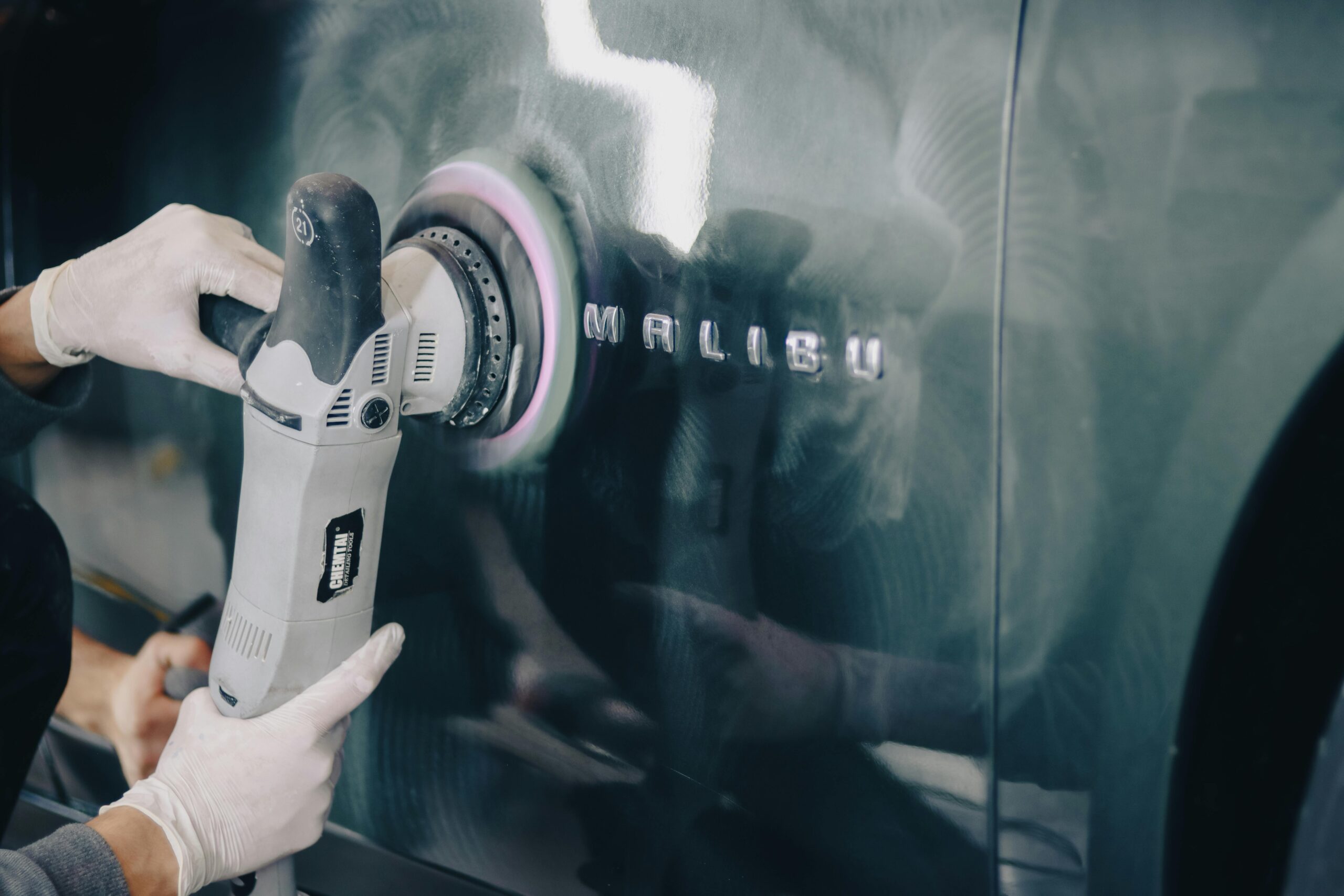
When applying polish, use a dual-action polisher for the best results. Start with a small amount of polish and work on one section at a time. Use a circular motion to spread the polish evenly, applying moderate pressure. Avoid applying too much pressure, which can damage the paint.
After polishing a section, inspect it under different lighting conditions to check for any remaining imperfections. Repeat the process as necessary until you achieve the desired finish.
Common Mistakes to Avoid
One of the most common mistakes when polishing is using too much polish or applying too much pressure, which can lead to swirl marks or even damage the paint. Another mistake is not inspecting the surface thoroughly before polishing, which can result in polishing contaminants into the paint.
To avoid these mistakes, always follow the manufacturer’s instructions for the polish and polisher you’re using, and work in a well-lit, clean environment.
Best Car Wax for Different Vehicle Colors
Different car colors have unique needs when it comes to car wax, and understanding these needs is crucial. The right car wax can enhance your vehicle’s appearance and provide protection against the elements.
Car Wax for Black Cars
Black cars require a car wax that enhances their deep, glossy finish. A wax specifically formulated for dark colors can help achieve this. It is recommended to use a wax that contains UV protectants to prevent fading and enhance the depth of the color. Products like Meguiar’s Ultimate Compound and Carnauba-based waxes are popular choices for black cars.
Car Wax for White Cars
For white cars, a car wax that provides a bright, clean finish is ideal. Some waxes are designed to enhance the brightness of white paint. Look for a wax that is free of swirls and scratches, and consider using a synthetic wax for its durability and ease of application. Brands like Chemical Guys and 3M offer high-quality options.
Car Wax for Other Colors
For cars of other colors, such as red, blue, or metallic finishes, the key is to find a wax that complements the specific hue. Some car waxes are designed to be color-neutral, making them suitable for a wide range of colors. When choosing a wax, consider the finish you want to achieve and the level of protection you need. Regular waxing can help maintain your car’s appearance regardless of its color.
Seasonal Car Wax Considerations
Seasonal changes can significantly impact your car’s paint and exterior, making it crucial to adjust your car wax accordingly. Different weather conditions require different types of protection to keep your vehicle looking its best.
Car Wax for Winter Protection
During the winter, car wax for winter plays a vital role in protecting your car’s paint from harsh weather conditions such as snow, ice, and salt. These elements can cause significant damage, including rust and paint deterioration. A wax that provides a strong barrier against moisture and freezing temperatures is essential.
When selecting a winter car wax, look for products that are specifically designed to offer enhanced protection against the elements. These waxes are usually formulated to be more durable and provide a thicker layer of protection.
Car Wax for Summer Shine
In contrast, car wax for summer focuses on maintaining the vehicle’s shine and protecting the paint from UV rays and heat. Summer waxes are designed to provide a glossy finish and protect against the sun’s damaging effects, which can cause fading and oxidation.
A good summer car wax will not only enhance your car’s appearance but also provide a layer of protection against the high temperatures and UV exposure. This helps in maintaining the car’s paint health and appearance throughout the summer months.
Top Car Wax and Polish Products Reviewed
Car owners have a wide range of car wax and polish products to choose from, but which ones are the best? The market offers a variety of products catering to different needs and budgets. In this section, we will review top car wax and polish products, categorizing them into premium, budget-friendly, and all-in-one products.
Premium Options
For those willing to invest in high-quality products, premium car waxes and polishes offer superior performance. Product A is a premium car wax known for its long-lasting protection and deep shine. It contains advanced polymers that provide a durable barrier against environmental elements. Another premium option is Product B, a car polish that effectively removes imperfections and leaves a smooth finish.
Budget-Friendly Choices
Not everyone wants to spend a fortune on car wax and polish. Fortunately, there are budget-friendly options that still offer great results. Product C is an affordable car wax that provides excellent protection and shine. It’s easy to apply and remove, making it a great choice for DIY enthusiasts. For polishing, Product D is a budget-friendly option that effectively corrects minor imperfections.
Best All-in-One Products
Some products aim to simplify the detailing process by combining wax and polish functions. Product E is an all-in-one product that both polishes and waxes your car, saving time and effort. These products are ideal for those who want a straightforward detailing solution without compromising on quality.
Conclusion
Understanding the difference between car wax and polish is crucial for effective vehicle maintenance. Car wax provides a protective layer against environmental elements, while polish corrects imperfections on the vehicle’s surface.
Choosing the right product depends on the vehicle’s condition and the desired outcome. Regular application of car wax can maintain the vehicle’s shine and protect the paint. Polish, on the other hand, is used to correct scratches and imperfections.
By incorporating car wax and polish into your vehicle maintenance routine, you can keep your vehicle looking its best. Regular maintenance not only enhances the vehicle’s appearance but also helps to maintain its overall value.
For optimal results, consider the type of vehicle you own, its age, and the environmental conditions it is exposed to when selecting car wax and polish products. This ensures that you are using the most effective products for your vehicle’s specific needs, leading to a well-maintained vehicle that retains its shine and value over time.