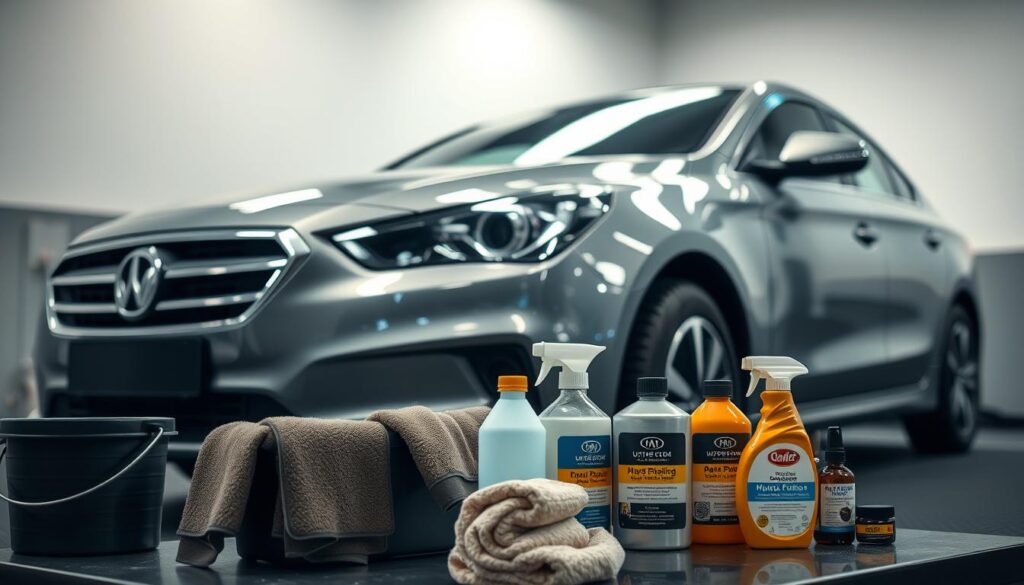
Imagine driving a car that looks like it just rolled out of a showroom. The paint is flawless, and the surface is smooth to the touch. Achieving this level of perfection is possible with a clay bar treatment, a detailing process that removes contaminants from your vehicle’s paint, leaving it protected and looking brand new.
A clay bar treatment is more than just a detailing technique; it’s a way to restore your car’s original shine and protect its paint. By removing embedded dirt and grime, you can prevent damage and maintain your vehicle’s appearance.
Key Takeaways
- A clay bar treatment removes contaminants from your car’s paint.
- It leaves the paint smooth and protected.
- Regular detailing can maintain your vehicle’s showroom-ready appearance.
- A clay bar treatment is a simple and effective detailing process.
- It helps prevent damage to your car’s paint.
What is a Clay Bar Treatment?
A clay bar treatment is a detailing technique used to remove contaminants from a vehicle’s paint surface, leaving it smooth and clean. This process is essential for car owners who want to maintain their vehicle’s appearance and protect its paint.
The Science Behind Automotive Clay Bars
Clay bars work by picking up and removing contaminants that regular washing can’t. The clay bar is a gentle, non-abrasive tool that is used in conjunction with a lubricant to avoid scratching the paint.
How Clay Works at a Microscopic Level
At a microscopic level, clay bars have a gentle abrasive action that lifts contaminants off the paint surface, ensuring a smooth finish. This action is crucial for removing embedded particles.
Types of Contaminants Clay Removes
Clay bars are effective against tar, bug splatters, overspray, and other contaminants that adhere to the paint. Regular use of a clay bar can prevent these contaminants from causing long-term damage.
History and Evolution of Detailing Clay
Detailing clay has evolved significantly since its inception, with modern formulations offering improved effectiveness and ease of use. Originally, detailing clay was quite aggressive and required careful use. Today’s clay bars are more refined, making them accessible to both professionals and DIY enthusiasts.
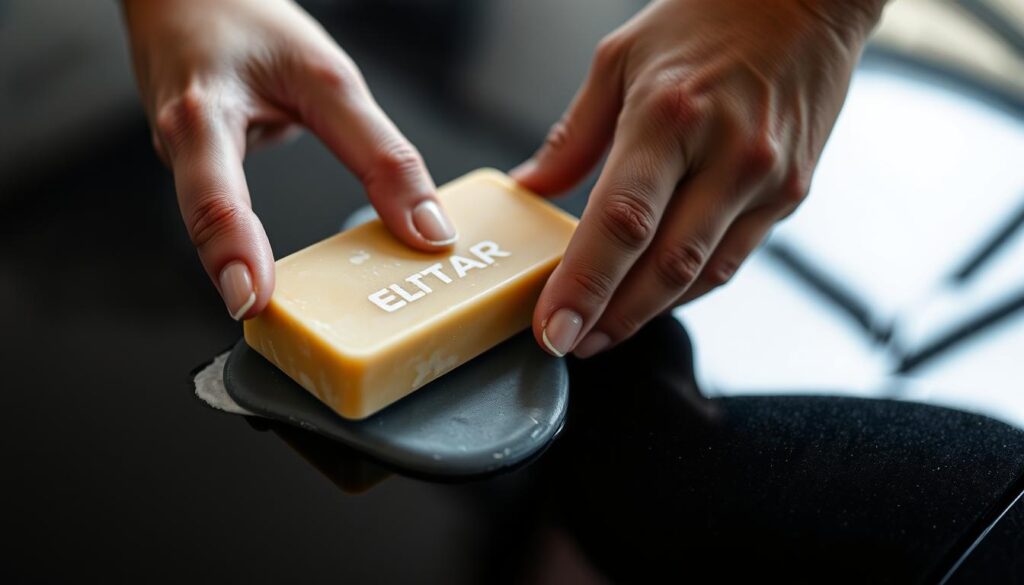
By understanding the science and history behind clay bar treatments, car owners can better appreciate the importance of this detailing technique in maintaining their vehicle’s appearance and protecting its paint.
Why Your Car Needs a Clay Bar Treatment
A clay bar treatment is an essential step in maintaining your car’s exterior. It provides a deep clean that removes contaminants that regular washing can’t, leaving your car’s paint smooth and glossy.
Visible vs. Invisible Contaminants
Contaminants on your car’s surface can be both visible and invisible. While visible contaminants like dirt and dust are easily noticeable, invisible contaminants such as environmental pollutants and industrial fallout can be just as damaging.
Environmental Pollutants
Environmental pollutants, including acid rain and airborne particles, can settle on your car’s surface, causing damage over time. These pollutants can etch into the paint, leading to a dull finish.
Industrial Fallout
Industrial fallout, such as brake dust and other metallic particles, can also contaminate your car’s paint. If not removed, these particles can cause significant damage, including rust spots.
Paint Protection Benefits
The benefits of a clay bar treatment extend beyond just cleaning; they also provide significant paint protection. By removing harmful contaminants, you can extend the life of your car’s paint and maintain its appearance.
Extending Paint Life
Regular clay bar treatments can help extend the life of your car’s paint by removing contaminants that can cause damage over time. This proactive approach can save you money on costly repairs.
Improving Appearance
In addition to protecting your car’s paint, a clay bar treatment can also improve its appearance. By leaving the paint smooth and glossy, you can enhance your car’s overall look and maintain its showroom finish.
Using a clay bar kit as part of your detailing routine can make a significant difference in your car’s appearance and longevity. It’s an investment in your vehicle’s maintenance and can provide long-term clay bar benefits.
Recommended Clay Bar Kits for the Perfect Finish
To achieve professional-grade results, using a high-quality clay bar kit is essential. Here are two of the best-selling clay bar kits trusted by car detailing professionals and enthusiasts:
1. Chemical Guys Clay Block Kit
This complete kit makes it easy to remove contaminants from your vehicle’s surface, leaving a silky-smooth finish that’s ready for polishing or waxing. The clay block design offers excellent grip and coverage.
👉 Check it out on Amazon here.
2. Chemical Guys Clay Bar & Luber Kit
A classic clay bar kit that includes both the clay bar and clay lubricant, making it easy to safely remove embedded contaminants without damaging your paint.
Signs Your Vehicle Needs Clay Bar Detailing
A clay bar treatment is essential for maintaining your vehicle’s appearance, but how do you know when it’s needed? The condition of your car’s paint surface can be a significant indicator. Regular inspections can help identify contaminants that necessitate a clay bar detailing.
There are several methods to determine if your vehicle requires a clay bar treatment. Two effective approaches include the “plastic bag test” for assessing surface roughness and observing visual indicators of contamination.
The “Plastic Bag Test” for Surface Roughness
The “plastic bag test” is a simple, yet effective method to check for surface roughness. By draping a plastic bag over the hood or roof of your car and gently rubbing it back and forth, you can feel for any roughness. If the surface feels rough, it may be a sign that contaminants are embedded in the paint.
Visual Indicators of Contamination
Visual inspection is another straightforward way to identify if your vehicle needs a clay bar detailing. Look for signs such as dust, tar, overspray, or water spots on the paint surface. These contaminants can adhere strongly to the paint and require a clay bar process to remove.
By recognizing these signs and using the “plastic bag test,” you can determine if your vehicle is due for a clay bar treatment to maintain its showroom-ready appearance.
Types of Clay Bars Available in the Market
When it comes to clay bar treatments, the market is flooded with options, including fine, medium, and heavy-duty clay bars. Understanding the differences between these types is crucial for selecting the most appropriate one for your vehicle’s needs.
Fine vs. Medium vs. Heavy-Duty Clay
The primary distinction among clay bars lies in their level of abrasiveness, which is typically categorized into fine, medium, and heavy-duty grades. Fine clay bars are designed for gentle cleaning and are ideal for regular maintenance or for surfaces that are not heavily contaminated. Medium clay bars offer a balance between cleaning power and surface safety, making them suitable for most detailing tasks. Heavy-duty clay bars are more aggressive and are used to remove stubborn contaminants, but they require caution to avoid damaging the paint.
When to Use Each Grade
The choice of clay bar grade depends on the level of contamination and the desired outcome. For lightly contaminated surfaces, a fine clay bar is sufficient. For more stubborn contaminants, a medium or heavy-duty clay bar may be necessary.
Color-Coding Systems Explained
Some manufacturers use color-coding to differentiate between various clay bar grades. While these systems are not universal, they can be helpful in selecting the right product. It’s essential to check the manufacturer’s guidelines to understand their specific color-coding system.
Synthetic vs. Natural Clay Products
Clay bars are also categorized into synthetic and natural products. Synthetic clay bars are made from man-made materials and are known for their consistency and durability. Natural clay bars, on the other hand, are derived from natural resources and can offer a more traditional detailing experience.
Performance Differences
Synthetic clay bars generally offer superior performance and longer lifespan compared to their natural counterparts. They tend to be more effective at removing contaminants and are less likely to leave residues.
Longevity Comparison
In terms of longevity, synthetic clay bars typically outlast natural clay bars, especially when used according to the manufacturer’s instructions. However, the actual longevity can vary based on factors like usage and storage conditions.
Essential Tools for a Professional Clay Bar Treatment
To perform a professional clay bar treatment, it’s crucial to have the essential tools at your disposal. A well-equipped detailer can make all the difference in achieving a showroom-ready finish.
Comprehensive Clay Bar Kits Explained
A comprehensive clay bar kit is the foundation of a successful clay bar treatment. These kits usually include everything needed to get started.
What’s Included in Quality Kits
Quality clay bar kits typically include a clay bar, a lubricant, and sometimes additional tools like a detailing mitt or a microfiber towel. Look for kits that include a variety of clay bar densities to tackle different levels of contamination.
Budget vs. Premium Options
When choosing a clay bar kit, consider your budget and the level of detailing you plan to do. Premium kits often include higher-quality clay bars and lubricants, making them a better choice for frequent detailers.
Lubricants and Supporting Products
Lubricants play a critical role in the clay bar treatment process, reducing friction and preventing scratches.
Dedicated Clay Lubricants
Dedicated clay lubricants are specifically designed for clay bar treatments. They provide the necessary lubrication to safely remove contaminants.
Alternative Lubricant Options
Some detailers use alternative lubricants like car wash soap or detailing sprays. However, dedicated clay lubricants are recommended for optimal results.
The Complete Clay Bar Treatment Process
To achieve a showroom-ready finish, understanding the complete clay bar treatment process is essential. This process involves several critical steps that, when followed correctly, ensure a smooth and contaminant-free paint surface.
Preparation Phase
The preparation phase is crucial for an effective clay bar treatment. It involves two key aspects:
Washing Requirements
Before applying the clay bar, the vehicle must be thoroughly washed to remove any loose dirt and debris. This step is vital to prevent scratching the paint during the clay bar treatment.
Working Environment Considerations
The clay bar treatment should be performed in a shaded area, away from direct sunlight, to prevent the clay from sticking to the paint too quickly. A cool, shaded environment allows for better control over the process.
Step-by-Step Application Technique
Applying the clay bar correctly is crucial for achieving the desired results. The technique involves:
Proper Hand Movements
Gentle, smooth motions are recommended when using a clay bar. Apply light pressure, and move the clay bar back and forth across the paint surface. Avoid applying too much pressure, which can scratch the paint.
Section-by-Section Approach
Divide the vehicle’s surface into sections, and complete the clay bar treatment one section at a time. This approach ensures thorough coverage and helps maintain evenness in the treatment.
Post-Clay Inspection and Correction
After completing the clay bar treatment, inspect the paint surface for any remaining contaminants or areas that may have been missed. If necessary, repeat the clay bar treatment on specific areas to achieve a uniformly smooth surface.
Common Mistakes to Avoid During Clay Bar Detailing
To get the most out of clay bar detailing, it’s essential to steer clear of common pitfalls. Clay bar detailing is a precise process that, when done correctly, can leave your car’s paint looking showroom-new. However, making mistakes can lead to undesirable results, including damage to the paint and a wasted detailing effort.
Improper Lubrication Issues
One of the most critical aspects of clay bar detailing is lubrication. Insufficient lubrication can cause the clay bar to drag across the paint, potentially scratching it. To avoid this, ensure that you’re using a high-quality lubricant specifically designed for clay bar detailing, and apply it liberally to the area being worked on.
Reusing Contaminated Clay
Reusing contaminated clay is another common mistake that can have negative consequences. When clay becomes contaminated with debris and pollutants, it can no longer effectively clean the paint surface. In fact, reusing contaminated clay can redeposit these contaminants onto the paint, undoing the detailing work. To avoid this, regularly inspect your clay bar and replace it when necessary.
Excessive Pressure Problems
Applying too much pressure during clay bar detailing is a mistake that can lead to visible scratches on the paint surface. The clay bar should be worked gently across the paint, allowing the weight of the bar to do the work. Excessive pressure not only risks damaging the paint but also increases the likelihood of marring the surface.
By being aware of these common mistakes and taking steps to avoid them, you can ensure a successful clay bar detailing process that leaves your car’s paint looking its best.
Professional vs. DIY Clay Bar Treatments
The decision to choose between a professional clay bar treatment and a DIY approach can significantly impact the outcome and longevity of the detailing. Both methods have their advantages and disadvantages, which are crucial to understand for car owners.
Cost Comparison Analysis
When considering the cost, it’s essential to look beyond the initial expense. A DIY clay bar treatment might seem cost-effective initially, but the long-term costs and benefits can vary.
Short-term vs. Long-term Investment
A professional clay bar treatment may have a higher upfront cost, but it can provide a longer-lasting finish and potentially reduce the need for frequent reapplication. In contrast, DIY treatments might require more frequent applications, affecting the long-term cost.
Equipment Considerations
Professional detailers use high-quality equipment and products, which can be a significant investment for individuals considering DIY. However, for those who plan to detail their car regularly, investing in professional-grade tools might be worthwhile.
Results Comparison
The outcome of a clay bar treatment, whether professional or DIY, depends on several factors including technique, products used, and the level of contamination on the vehicle’s surface.
Finish Quality Differences
Professional detailers typically achieve a smoother finish due to their experience and the use of advanced products. DIY treatments can also achieve good results if done correctly, but there’s a higher risk of imperfections.
Time Investment Factors
While a DIY clay bar treatment might save money, it requires a significant time investment, especially for those new to detailing. Professionals, on the other hand, can complete the task more efficiently.
Post-Clay Bar Protection Options
A clay bar treatment is just the beginning; what follows is equally important for long-lasting results. After removing contaminants from your vehicle’s paint surface, it’s crucial to apply a protective layer to maintain the cleanliness and integrity of the paint.
Waxes and Sealants
Waxes and sealants are traditional methods for protecting paint after a clay bar treatment. They provide a barrier against environmental factors like UV rays and minor scratches.
Natural Carnauba Options
Carnauba wax, derived from the leaves of the carnauba palm, is a popular choice for its natural gloss and protective qualities. It offers a warm, deep shine and is considered safe for most paint types.
Synthetic Sealant Benefits
Synthetic sealants, on the other hand, offer longer durability compared to natural waxes. They are more resistant to heat and UV light, making them a great option for vehicles exposed to harsh conditions.
Ceramic Coatings and Modern Protectants
Ceramic coatings represent a more advanced level of paint protection. They form a hard, glass-like layer that is highly resistant to scratches and chemical damage.
Professional-Grade Solutions
Professional-grade ceramic coatings are applied in a controlled environment, ensuring a flawless finish. They offer superior protection and can last for several years with proper maintenance.
Consumer-Friendly Products
For DIY enthusiasts, consumer-friendly ceramic coating products are available. While they may not offer the same level of durability as professional-grade solutions, they still provide excellent protection and are relatively easy to apply.
Maintaining Your Car After a Clay Bar Treatment
Maintaining the results of a clay bar treatment requires a combination of proper washing techniques and regular upkeep. This ensures that your car’s paint remains smooth and contaminant-free.
Proper Washing Techniques
Washing your car correctly is vital to maintaining the results of a clay bar treatment. Using the right methods and tools can make a significant difference.For a complete step-by-step guide, check out our full post: Effortless Car Cleaning: Your Guide to Washing a Car.
Two-Bucket Method
The two-bucket method is a highly effective washing technique. It involves using one bucket for soapy water and another for clean water to rinse your wash mitt. This method helps prevent dirt and debris from being transferred back onto the car’s surface, reducing the risk of scratches.
Microfiber Technology
Microfiber towels and wash mitts are gentle on the car’s paint and highly effective at picking up dirt. They are a crucial part of a successful car washing routine. When used correctly, microfiber technology can help maintain the smooth finish achieved by a clay bar treatment.
Treatment Frequency Guidelines
How often you should repeat a clay bar treatment depends on several factors, including your climate and how you store your vehicle.
Climate Considerations
Living in an area with harsh weather conditions, such as intense sunlight, heavy rainfall, or high levels of air pollution, may require more frequent clay bar treatments. For example, in coastal areas, salt residue can accumulate on the car’s surface, necessitating more regular maintenance.
Storage Impact on Maintenance Schedule
How you store your car also affects how often you need to perform a clay bar treatment. Cars stored outdoors or in areas with high dust levels may require more frequent treatments compared to those kept in a garage.
By following these guidelines and incorporating proper washing techniques into your car care routine, you can maintain the results of a clay bar treatment and keep your car looking its best.
Conclusion: Achieving That Showroom Finish
A clay bar treatment is a crucial step in maintaining your vehicle’s appearance and protecting its paint. By removing contaminants that regular washing can’t, a clay bar treatment leaves your car’s surface smooth and ready for waxing or other protective coatings, ultimately achieving that coveted showroom finish.
The benefits of a clay bar treatment are numerous, including improved paint protection, enhanced gloss, and a smoother surface. Regular maintenance after the treatment is essential to maintain these benefits. Proper washing techniques and regular inspections will help keep your vehicle looking its best.
By incorporating a clay bar treatment into your detailing routine, you can enjoy long-term benefits such as reduced risk of paint damage and a consistently showroom-like appearance. The clay bar treatment benefits extend beyond the initial application, providing a solid foundation for ongoing vehicle care.
Maintaining a showroom finish requires ongoing effort, but with the right techniques and products, it’s achievable. By understanding the importance of clay bar treatments and following proper maintenance guidelines, you can keep your vehicle looking like new for years to come.