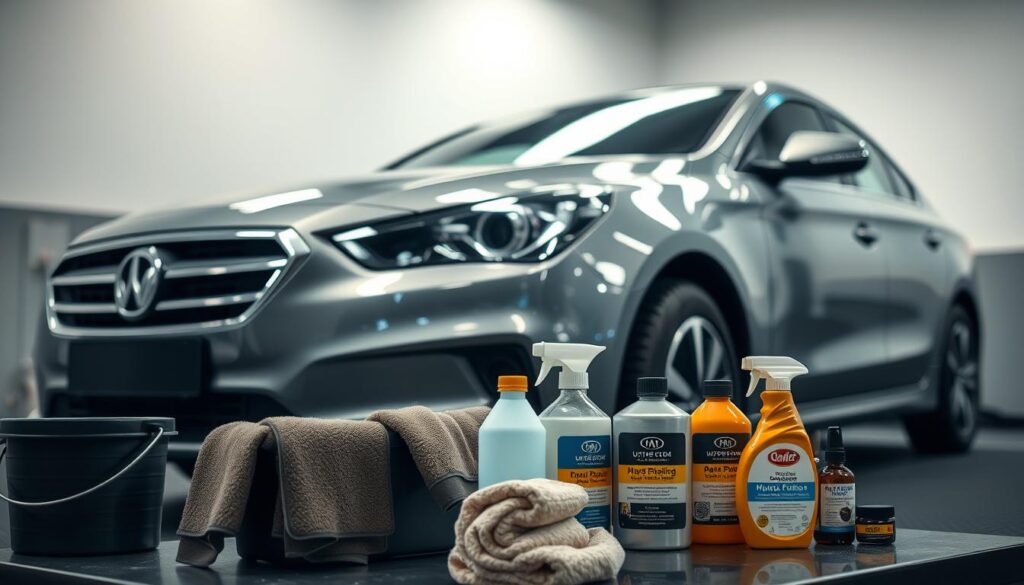
Are grimy aluminum wheels ruining the look of your otherwise spotless vehicle? Maintaining the shine and integrity of your car’s wheels is not just about aesthetics; it’s also crucial for the longevity of the wheels themselves. How to clean aluminum wheels is essential knowledge for keeping your vehicle looking its best. Grimy aluminum wheels can spoil your car’s appearance, but regular cleaning helps maintain their shine and durability.
Regular cleaning of aluminum wheels can prevent the buildup of brake dust and grime, which can cause damage over time. In this article, we’ll explore simple and effective DIY methods for keeping your aluminum wheels looking their best.
Key Takeaways
- Understand the importance of regular aluminum wheel cleaning.
- Learn simple DIY methods for cleaning aluminum wheels.
- Discover effective tips for maintaining the shine and integrity of your vehicle’s wheels.
Why Aluminum Wheels Require Special Care
Aluminum wheels are not just aesthetically pleasing; they also require meticulous care to withstand the rigors of daily driving. Their unique properties make them susceptible to various forms of damage, emphasizing the need for proper maintenance.
The Unique Properties of Aluminum
Aluminum is a lightweight, corrosion-resistant metal, but it’s not entirely immune to damage. Its surface can oxidize when exposed to air, leading to a dull appearance. Proper cleaning and maintenance are crucial to preserving its shine and integrity.
Common Damage Causes
Several factors contribute to the deterioration of aluminum wheels. Understanding these causes is key to preventing damage.
Road Salt and Chemical Exposure
Road salt and chemicals used for de-icing can severely corrode aluminum wheels, causing pitting and long-term damage. Regular cleaning is essential, especially after exposure to these substances.
Brake Dust Accumulation
Brake dust, composed of metallic particles and adhesive residues, can accumulate on aluminum wheels, causing discoloration and damage if not regularly cleaned.
To maintain your aluminum wheels effectively, it’s crucial to understand the importance of using the right cleaning products for aluminum wheels and adopting a regular aluminum wheel maintenance routine.
Essential Tools and Materials for Aluminum Wheel Cleaning
Cleaning aluminum wheels effectively requires the right tools and materials to avoid damage and achieve a showroom shine. Having the correct supplies on hand makes the cleaning process more efficient and helps prevent potential damage to the wheels.
Must-Have Cleaning Supplies
To start cleaning your aluminum wheels, you’ll need some essential supplies. These include:
Wheel-Specific Cleaners
A wheel-specific cleaner is a must-have for cleaning aluminum wheels. These cleaners are formulated to remove brake dust and grime without damaging the wheel’s surface. Look for a cleaner that is pH-balanced and safe for use on aluminum.
Brushes and Applicators
Soft-bristled brushes and applicators are necessary for gently scrubbing the wheel’s surface and reaching into tight spaces. Avoid using hard-bristled brushes that can scratch the aluminum.
Checkout wheel brushes in our shop
Microfiber Towels and Drying Tools
Microfiber towels are ideal for drying aluminum wheels because they are soft and absorbent. They help prevent water spots from forming on the wheel’s surface.
Read our blog about choosing the best microfiber towels and also visit the shop.
Optional Tools for Better Results
While the must-have supplies will get the job done, some optional tools can enhance your cleaning experience and provide better results.
Pressure Washers and Their Settings
A pressure washer can be a useful tool for loosening dirt and grime on aluminum wheels. However, be cautious with the pressure setting to avoid damaging the wheel’s surface. A wide fan tip and a lower pressure setting are recommended.
Specialized Brushes for Hard-to-Reach Areas
For wheels with intricate designs or hard-to-reach areas, specialized brushes can be invaluable. These brushes are designed to reach into tight spaces and clean areas that regular brushes might miss.
Preparing Your Wheels for Cleaning
Before diving into the cleaning process, it’s essential to prepare your aluminum wheels properly. This step is crucial for a safe and effective cleaning experience.
Safety Precautions to Take
When cleaning aluminum wheels, safety should be your top priority. Protective gear is a must to prevent injuries from harsh chemicals and sharp edges.
Protective Gear Recommendations
Wear gloves, safety glasses, and a face mask to protect yourself from chemical splashes and debris.
Working Environment Considerations
Ensure you’re working in a well-ventilated area, away from direct sunlight and heat sources, to prevent chemical reactions and ensure a safe working environment.
Initial Rinsing Techniques
Initial rinsing is a critical step that helps remove loose debris and cools down the wheels. This makes the subsequent cleaning steps more effective.
Cooling Hot Wheels Safely
If your wheels are hot from driving, allow them to cool down or use a gentle rinse with water to cool them down quickly, preventing damage from sudden temperature changes.
Removing Surface Debris
Use a soft-bristled brush or a hose with a spray nozzle to gently remove surface debris, taking care not to scratch the aluminum surface.
-
Chemical Guys Wheel & Tire Brush with Soft Bristles
Perfect for safely cleaning aluminum wheels without scratching.
Available on Amazon -
Gardena Comfort Multi Spray Nozzle
A high-quality hose attachment offering gentle spray options for rinsing wheels safely.
Available on Amazon
How to Clean Aluminum Wheels: Step-by-Step Guide
A step-by-step approach is key to effectively cleaning your aluminum wheels. This guide will walk you through the process, ensuring your wheels are thoroughly cleaned and maintained.
Step 1: Initial Assessment and Preparation
Before you start cleaning, it’s crucial to assess your wheels’ condition and prepare them for the cleaning process.
Identifying Your Wheel’s Finish Type
Different aluminum wheels have various finishes, such as polished, machined, or coated. Identifying the finish type helps in choosing the right cleaning products and techniques.
Testing Cleaners in Inconspicuous Areas
Always test your chosen cleaner on a small, inconspicuous area first to ensure it doesn’t damage the wheel’s finish.
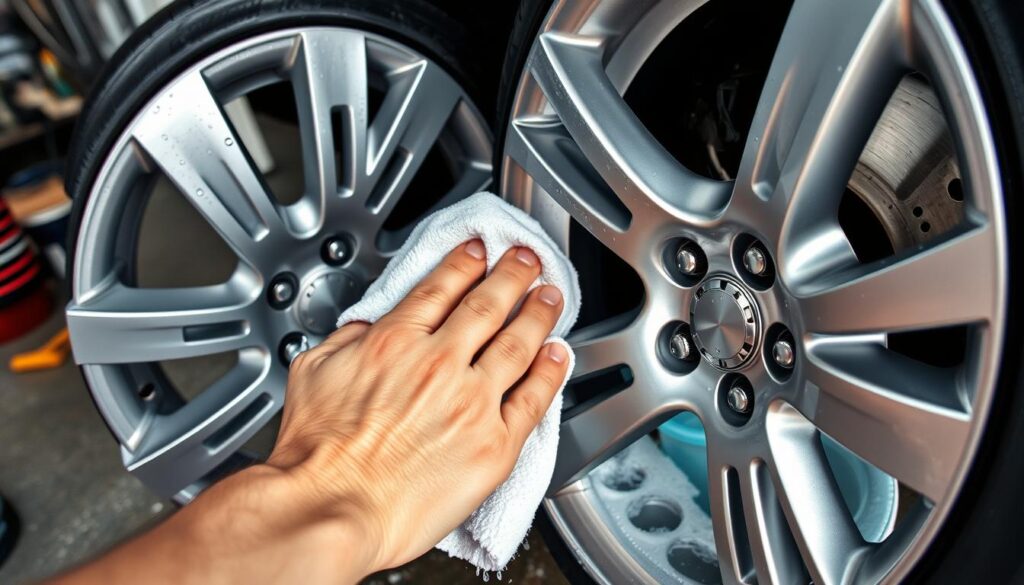
Step 2: Applying the Cleaning Solution
Once you’ve prepared your wheels, it’s time to apply the cleaning solution. The right application method can make a significant difference in the cleaning outcome.
Proper Dilution Ratios
Follow the manufacturer’s instructions for diluting the cleaning solution. Incorrect dilution can lead to ineffective cleaning or damage to the wheels.
Application Methods for Different Wheel Designs
Different wheel designs may require different application methods. For example, wheels with intricate designs may need a soft-bristled brush to reach into crevices.
Step 3: Scrubbing and Detailing
Scrubbing is a critical step in the cleaning process. It requires the right techniques and tools to avoid damaging the aluminum.
Proper Brush Techniques
Use a soft-bristled brush to gently scrub away grime and brake dust. Avoid using hard-bristled brushes or abrasive materials that can scratch the wheels.
Addressing Wheel Spokes and Crevices
Pay special attention to wheel spokes and crevices where dirt tends to accumulate. A detailing brush can be particularly useful for these areas.
By following these steps and using the right cleaning products for aluminum wheels, you can keep your wheels looking their best. Regular DIY aluminum wheel cleaning not only enhances your vehicle’s appearance but also helps maintain the wheels’ condition over time.
Tackling Stubborn Brake Dust and Grime
Aluminum wheels are prone to accumulating brake dust and grime, which can be difficult to remove without the right techniques. When left unchecked, these contaminants can lead to a dull, dirty appearance that detracts from your vehicle’s overall look.
Identifying Different Types of Wheel Contaminants
Before you start cleaning, it’s essential to identify the types of contaminants on your aluminum wheels. Common contaminants include brake dust, grime, and tar. Brake dust is particularly problematic as it can be abrasive and stick to the wheel surface.
- Brake dust: A mixture of metal particles and carbon fibers from brake pads.
- Grime: Dirt and debris that accumulates on the wheel surface.
- Tar: A sticky substance that can adhere to the wheel, often requiring specialized cleaners.
Specialized Techniques for Heavy Buildup
For wheels with heavy buildup, specialized techniques are necessary. Two effective methods include:
Clay Bar Treatment for Embedded Contaminants
A clay bar treatment can help remove embedded contaminants that regular cleaning can’t. This method is gentle on the wheel surface but effective at removing stubborn grime.
Soaking Methods for Extreme Cases
Soaking the wheels in a cleaning solution can help loosen heavy buildup. This method is particularly useful for wheels with extreme grime accumulation.
When to Use Stronger Cleaning Agents
Sometimes, regular cleaning agents aren’t enough to tackle stubborn contaminants. In such cases, stronger cleaning agents may be necessary.
Acid vs. Non-Acid Wheel Cleaners
Acid-based cleaners are effective at removing brake dust and grime but can be harsh on certain wheel finishes. Non-acid cleaners are generally safer but may not be as effective.
Safety Precautions with Strong Chemicals
When using strong cleaning agents, it’s crucial to follow safety precautions, including wearing gloves and protective eyewear, and ensuring good ventilation.
Dealing with Oxidation and Corrosion
Oxidation and corrosion can significantly degrade the appearance of aluminum wheels, making them look dull and worn out. Regular aluminum wheel maintenance is crucial to prevent this.
Identifying Oxidation on Aluminum Wheels
Oxidation on aluminum wheels often appears as a dull, chalky, or white powdery substance on the surface. It’s essential to identify oxidation early to prevent it from becoming a more significant issue.
Restoration Methods for Oxidized Wheels
Restoring oxidized aluminum wheels involves either chemical or mechanical methods.
Chemical Restoration Products
Chemical restoration products can effectively remove oxidation. These products are specifically designed for diy aluminum wheel cleaning and can be found in most auto parts stores.
Mechanical Restoration Techniques
Mechanical techniques involve using abrasive materials to remove the oxidized layer. This method requires care to avoid damaging the wheel.
Preventing Future Oxidation
To prevent future oxidation, regular cleaning and applying a protective sealant are recommended. Following an aluminum wheel care guide can help maintain the wheels’ appearance and longevity.
Polishing Techniques for a Mirror Finish
Polishing aluminum wheels to a mirror finish involves more than just applying polish; it requires technique and the right tools. Achieving that showroom shine not only enhances the appearance of your vehicle but also protects the aluminum from corrosion.
Choosing the Right Aluminum Polish
Selecting the appropriate polish is crucial for achieving a mirror finish on aluminum wheels. The type of polish you choose can significantly impact the outcome.
Metal-Specific vs. All-Purpose Polishes
Metal-specific polishes are formulated to address the unique needs of aluminum, providing a deeper shine and better protection than all-purpose polishes.
Abrasive Levels and When to Use Each
Polishes come with different abrasive levels. For aluminum wheels, it’s essential to start with a coarser abrasive to remove oxidation and then switch to finer abrasives for a high-gloss finish.
Hand Polishing Methods
Hand polishing allows for detailed work and can be very effective for achieving a mirror finish. It requires patience and the right technique.
Proper Motion and Pressure Techniques
Using circular motions with moderate pressure is generally recommended. This helps in evenly distributing the polish and avoiding scratches.
Working in Sections for Best Results
Divide the wheel into sections and polish one section at a time. This ensures an even finish and helps in maintaining detail.
Machine Polishing Options
For those who prefer a faster method or have larger wheels, machine polishing is an effective alternative. It requires the right equipment and some practice to master.
Buffer Types and Attachments
Different buffers and attachments are available for machine polishing. Choosing the right one depends on the wheel’s condition and the desired finish.
Speed Settings and Safety Tips
Start with lower speed settings to avoid generating too much heat, which can damage the aluminum. Always follow safety guidelines when using power tools.
Protecting Your Wheels After Cleaning
Protecting your aluminum wheels after cleaning is essential to maintain their appearance and longevity. A protective layer not only enhances the visual appeal but also shields the wheels from environmental damage.
Sealants vs. Waxes for Aluminum
When it comes to protecting aluminum wheels, the debate between sealants and waxes is ongoing. Sealants offer a more durable barrier against contaminants, while waxes provide a glossy finish and are generally easier to apply.
Ceramic Coating Benefits
Ceramic coatings are a type of sealant that offers exceptional protection against brake dust and environmental contaminants. They create a hydrophobic surface that makes cleaning easier and can last for several months.
Read our blog about advantages of ceramic coating.
Traditional Wax Application
Waxes are a more traditional method of protecting aluminum wheels. They provide a barrier against minor contaminants and add a glossy finish. However, they may need to be reapplied more frequently than sealants.
Application Techniques for Long-Lasting Protection
The key to long-lasting protection lies in the application technique. Ensuring the surface is clean and dry before applying any protective layer is crucial.
Temperature and Curing Considerations
The temperature and curing time can significantly affect the performance of the protective layer. It’s essential to follow the manufacturer’s instructions regarding application temperature and curing time.
Layering Methods for Maximum Protection
Layering different protective products can offer maximum protection. For instance, applying a ceramic coating as a base layer and then adding a wax on top can provide both durability and a glossy finish.
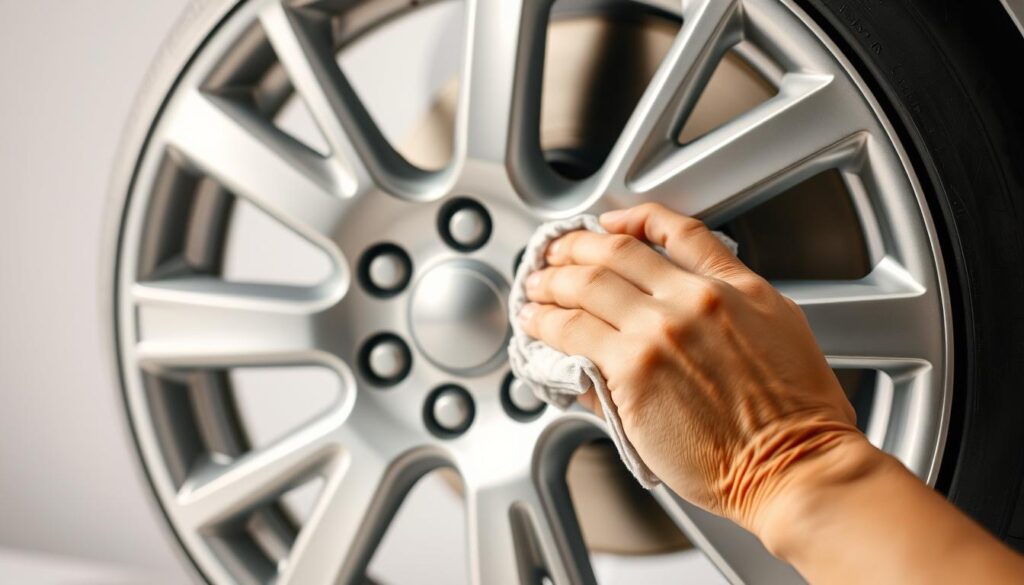
Eco-Friendly Aluminum Wheel Cleaning Methods
Cleaning aluminum wheels doesn’t have to harm the environment, thanks to various eco-friendly methods available today. As we become more conscious of our ecological footprint, adopting environmentally friendly practices in our daily routines, including car maintenance, is crucial.
Natural Cleaning Alternatives
Switching to natural cleaning alternatives is a significant step towards eco-friendly aluminum wheel cleaning. Two effective methods include:
- Vinegar and baking soda solutions
- Citrus-based cleaners
Vinegar and Baking Soda Solutions
Mixing vinegar and baking soda creates a paste that can effectively remove grime without harsh chemicals. This method is not only eco-friendly but also budget-friendly.
Citrus-Based Cleaners
Citrus-based cleaners utilize the natural acidity of citrus fruits to break down dirt and grime. They’re a great alternative to chemical-based cleaners and leave a fresh scent.
Reducing Environmental Impact
Beyond the cleaning agents, reducing environmental impact involves considering the broader implications of our cleaning practices.
Water Conservation Techniques
Using a bucket to wash wheels instead of running water can significantly conserve water. This simple technique makes a big difference in reducing water waste.
Proper Disposal of Cleaning Waste
Ensuring that cleaning waste is disposed of properly is crucial. This includes recycling materials when possible and disposing of chemical waste at designated facilities.
By adopting these eco-friendly aluminum wheel cleaning methods, you not only keep your vehicle’s wheels clean but also contribute to a more sustainable future. For more tips on how to clean rims effectively and sustainably, explore our comprehensive aluminum wheel care guide.
Common Mistakes to Avoid When Cleaning Aluminum Wheels
Effective aluminum wheel cleaning involves more than just soap and water; it requires avoiding certain pitfalls. To keep your aluminum wheels looking their best, it’s crucial to understand the common mistakes that can damage their finish.
Harmful Cleaning Products to Never Use
Using the wrong cleaning products can damage your aluminum wheels. Certain household cleaners and abrasives can cause irreversible harm.
Household Cleaners That Damage Aluminum
- Bleach-based cleaners: Can cause discoloration and corrosion.
- Ammonia-based cleaners: Can strip away the wheel’s protective coating.
- Acidic cleaners: Can etch the aluminum surface.
Abrasives That Scratch Wheel Surfaces
- Steel wool: Too harsh and can scratch the surface.
- Hard-bristled brushes: Can scratch or damage the wheel’s finish.
Technique Errors That Damage Wheels
Apart from using the wrong products, technique errors can also harm your aluminum wheels. Proper technique is key to maintaining their appearance.
Improper Brush Usage
Using a brush with hard bristles or applying too much pressure can scratch the wheel’s surface.
Neglecting Proper Rinsing
Failing to rinse your wheels thoroughly can leave soap residue, which can damage the finish over time.
Maintaining Your Aluminum Wheels for Years to Come
To keep your aluminum wheels looking their best, regular maintenance is crucial. This involves a combination of regular cleaning, protective measures, and inspections to prevent damage.
By adopting a routine diy aluminum wheel cleaning schedule, you can prevent the buildup of brake dust and grime, making the cleaning process easier and more effective. Using a high-quality aluminum wheel care guide can also help you stay on track.
After cleaning and polishing your wheels, applying a protective sealant or wax can help shield them from the elements and reduce the risk of oxidation and corrosion. Regular inspections will also enable you to identify any potential issues early on, allowing you to take corrective action before they become major problems.
By following these simple tips and incorporating aluminum wheel maintenance into your regular vehicle care routine, you can enjoy clean, shiny wheels for years to come.