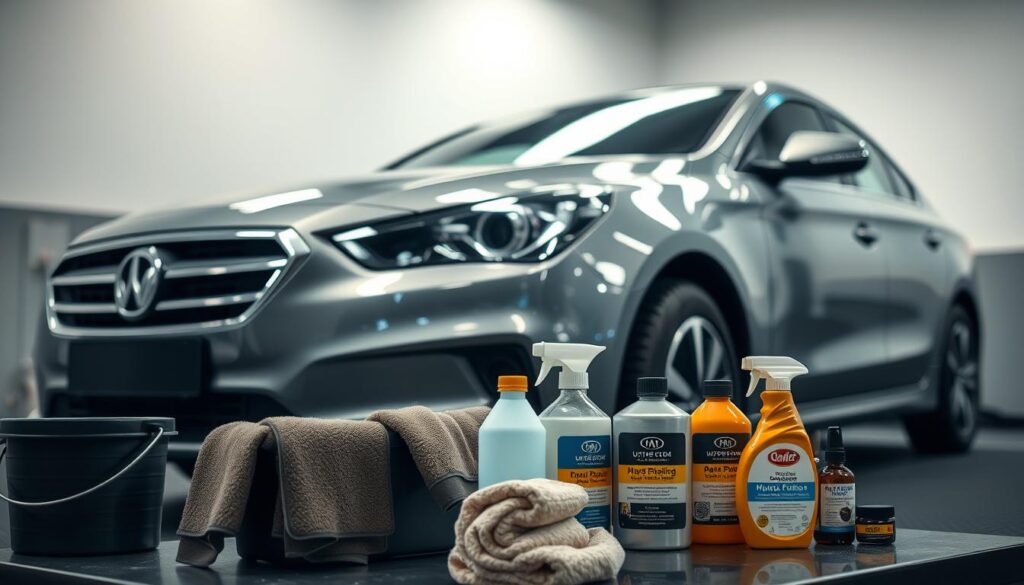
How to clean and condition leather steering wheels is a must-know skill for any car owner who wants to preserve their interior’s luxury feel.
Regular cleaning and conditioning of your leather steering wheel not only enhances its appearance but also extends its lifespan. It’s a simple process that can make a significant difference in your daily commute.
Key Takeaways
- Importance of regular cleaning and conditioning
- Methods for cleaning leather steering wheels
- Conditioning techniques for longevity
- Tips for maintaining the appearance
- Benefits of a well-maintained steering wheel
Why Leather Steering Wheel Maintenance Matters
A well-maintained leather steering wheel not only enhances the car’s interior but also contributes to a better driving experience. Proper leather steering wheel care involves regular cleaning and conditioning to prevent wear and tear.
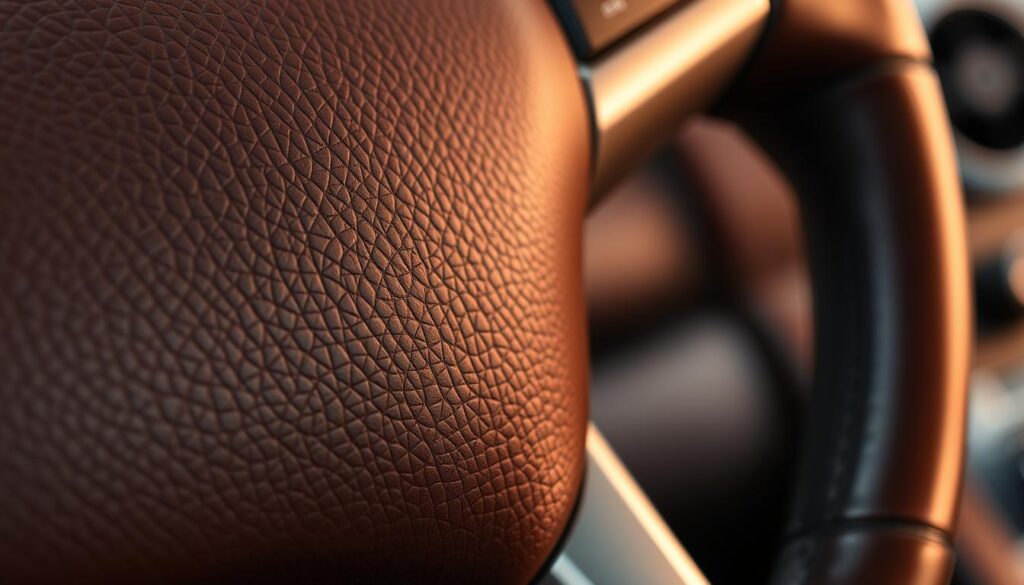
Signs of a Neglected Leather Steering Wheel
A neglected leather steering wheel often shows signs such as dryness, cracking, and discoloration. If not addressed, these issues can lead to a rough, uncomfortable driving experience. Regular inspection can help identify these problems early on.
Some common signs include visible cracks, fading color, and a sticky or rough texture. These indicators suggest that the leather is drying out and needs immediate attention to prevent further deterioration.
Benefits of Regular Cleaning and Conditioning
Regular maintaining leather steering wheels through cleaning and conditioning offers several benefits. It helps maintain the leather’s natural moisture, preventing cracks and dryness. Additionally, it keeps the steering wheel looking new, enhancing the overall aesthetic of the vehicle’s interior.
By incorporating regular maintenance into your routine, you can extend the lifespan of your leather steering wheel and ensure a comfortable driving experience. This practice also helps in preserving the vehicle’s overall interior quality.
Essential Supplies for Leather Steering Wheel Care
The right supplies are essential for effectively cleaning and conditioning your leather steering wheel. Using the appropriate products and tools not only ensures a thorough cleaning but also helps maintain the leather’s quality and longevity.
Cleaning Products and Tools
To clean your leather steering wheel properly, you’ll need a few key products and tools. These include microfiber cloths, leather-safe cleaners, and brushes or applicators.
Microfiber Cloths and Their Importance
Microfiber cloths are gentle on the leather and effective at picking up dirt and grime. They are a crucial tool in the cleaning process.
Leather-Safe Cleaners
It’s vital to use leather-safe cleaners that are specifically designed for cleaning leather without causing damage. These cleaners are formulated to maintain the leather’s natural pH balance.
Brushes and Applicators
Soft-bristled brushes and applicators help in gently removing dirt from crevices and applying cleaners or conditioners evenly across the steering wheel.
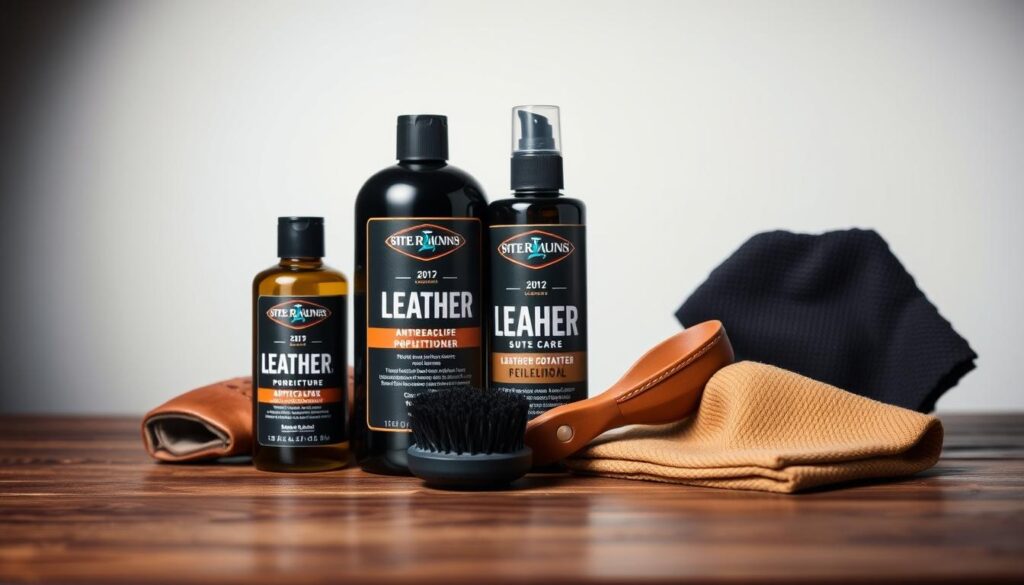
Conditioning Products and Applicators
After cleaning, conditioning is crucial to keep the leather moisturized and supple. The right conditioning products and applicators make this process effective.
Types of Leather Conditioners
There are various types of leather conditioners available, including creams, sprays, and wipes. Choosing the right type depends on the leather’s condition and your personal preference.
Application Tools
Application tools like soft cloths or applicator pads are used to apply conditioners evenly. They help in preventing over-conditioning, which can lead to a greasy feel.
Preparing Your Steering Wheel for Cleaning
Before diving into the cleaning process, it’s essential to prepare your leather steering wheel properly. This step ensures that the cleaning and conditioning products work effectively and safely on your steering wheel.
Parking in a Suitable Location
Start by parking your vehicle in a shaded area or a well-ventilated garage. Direct sunlight can cause the cleaning products to evaporate too quickly, potentially damaging the leather. A shaded area also helps prevent the steering wheel from getting too hot, which can affect the leather’s quality.
Initial Dust Removal
Gently remove any loose dust or debris from the steering wheel using a soft, dry cloth. This initial dust removal helps prevent scratching the leather during the cleaning process. It’s a simple yet crucial step in leather steering wheel maintenance tips.
Testing Products on an Inconspicuous Area
Before applying any cleaning or conditioning products to the steering wheel, test them on a small, inconspicuous area. This test ensures that the products won’t damage the leather or cause discoloration. Wait for a few minutes to observe any adverse reactions before proceeding with the cleaning and conditioning process.
By following these preparation steps, you can ensure a safe and effective cleaning process for your leather steering wheel, ultimately contributing to its longevity and appearance.
How to Clean and Condition Leather Steering Wheels: Step-by-Step Guide
Cleaning and conditioning your leather steering wheel is a straightforward process that requires some basic supplies and a bit of elbow grease. By following this step-by-step guide, you can keep your leather steering wheel looking its best and extend its lifespan.
Gentle Cleaning Techniques
To begin the leather steering wheel cleaning guide, start by gently wiping down the steering wheel with a soft, dry cloth to remove any loose dirt or debris. This initial step helps prevent scratches during the cleaning process.
Working in Sections
Divide the steering wheel into sections, and clean one area at a time. This ensures a thorough cleaning and helps you maintain even coverage.
Proper Pressure and Motion
Apply gentle pressure, using circular motions to clean the leather. Avoid applying too much pressure, which can damage the leather or push dirt further into the material.
Cleaning Around Buttons and Controls
Use a soft-bristled brush or a cotton swab to gently clean around buttons and controls. This helps remove dirt and grime that can accumulate in these areas.
Removing Stubborn Dirt and Grime
For more stubborn dirt or grime, you may need to use a specialized cleaning product. Always read the instructions and test the product on an inconspicuous area first.
Safe Scrubbing Methods
If the dirt is particularly stubborn, use a soft-bristled brush to gently scrub the area. Be cautious not to scrub too hard, as this can damage the leather.
When to Use Specialized Cleaners
For tough stains or grime buildup, consider using a specialized leather cleaner. These products are designed to effectively remove dirt without damaging the leather.
By following these steps and using the right cleaning techniques, you can keep your leather steering wheel clean and well-maintained. Regular cleaning and conditioning will help extend the life of your steering wheel and keep it looking its best.
The Conditioning Process
The conditioning process is where you nourish your leather steering wheel, keeping it supple and resistant to wear. After cleaning, applying a conditioner helps to moisturize the leather, preventing it from drying out and cracking over time.
Choosing the Right Conditioner for Your Steering Wheel
Selecting the appropriate conditioner is crucial for effective leather care. The type of conditioner you choose depends on the leather type and its condition.
Water-Based vs. Oil-Based Conditioners
Water-based conditioners are generally safer and less likely to leave residue, making them suitable for most leather types. Oil-based conditioners, on the other hand, provide deeper moisturizing but can darken the leather.
Matching Conditioner to Leather Type
For aniline and semi-aniline leathers, a water-based or a light oil-based conditioner is recommended. For pigmented leathers, a more robust conditioner can be used.
Proper Application Methods
Applying the conditioner correctly is just as important as choosing the right one. Here are some steps to follow:
Thin, Even Coats
Apply the conditioner in thin, even coats. This helps prevent over-saturation, which can lead to a sticky or greasy finish.
Working the Product In
Gently work the conditioner into the leather using circular motions with a soft, clean cloth. This ensures the product is evenly distributed.
Drying and Buffing
After applying the conditioner, allow it to dry according to the product’s instructions. Then, buff the leather with a clean, dry cloth to remove any excess product and to enhance the leather’s appearance.
| Conditioner Type | Leather Type | Application Tip |
|---|---|---|
| Water-Based | Aniline, Semi-Aniline | Apply sparingly to avoid over-saturation. |
| Oil-Based | Pigmented | Use a small amount and buff thoroughly. |
By following these steps and choosing the right conditioner, you can keep your leather steering wheel looking and feeling its best.
Dealing with Specific Steering Wheel Issues
Even with regular cleaning and conditioning, leather steering wheels can sometimes develop specific issues that require special attention. These problems can range from unsightly stains to structural wear, and addressing them promptly is key to maintaining the steering wheel’s appearance and longevity.
Removing Oil and Grease Stains
Oil and grease stains are common on steering wheels due to hand residue. To remove these stains, use a gentle cleaning product specifically designed for leather. Apply the cleaner to a soft cloth and gently rub the stained area. Avoid using harsh chemicals or abrasive materials that could damage the leather.
Addressing Discoloration
Discoloration can occur due to exposure to sunlight or improper cleaning products. To address this, use a leather conditioner that matches the steering wheel’s original color as closely as possible. Apply the conditioner to the discolored area and gently buff it with a soft cloth to blend the color and moisturize the leather.
Handling Cracks and Wear
Cracks and wear are signs of aging leather. For minor cracks, a leather conditioner can help by moisturizing the leather and reducing the appearance of fine cracks. However, deeper cracks may require professional attention.
Minor Crack Repair
For minor cracks, apply a leather conditioner or repair cream to the affected area. Gently massage the product into the crack using a soft cloth, then buff the area to blend it with the surrounding leather.
When Professional Help Is Needed
If the cracks are deep or the leather is significantly worn, it may be necessary to seek professional help. A professional detailer or leather restoration service can assess the damage and provide the necessary repairs to restore the steering wheel to its original condition.
Best Products for Leather Steering Wheel Maintenance
Choosing the right products is crucial for the longevity and appearance of your leather steering wheel. With numerous options available, selecting the best products can be overwhelming. This section will guide you through some of the top products for maintaining your leather steering wheel.
Top Leather Cleaners
Effective cleaning is the first step in maintaining your leather steering wheel. Here are some top-rated cleaners:
Budget-Friendly Options
For those on a budget, options like Chemical Guys Leather Cleaner and Meguiar’s Gold Class Leather Cleaner are highly recommended. They offer a balance between affordability and effectiveness.
Premium Choices
If you’re looking to invest in premium quality, consider products like Lexol Leather Cleaner or Cadillac Leather Cleaner. These products are known for their gentle yet effective cleaning capabilities.
Premium Leather Conditioners
After cleaning, conditioning is essential to keep the leather soft and supple. Here are some premium conditioners:
Natural vs. Synthetic Formulations
Some conditioners, like those from Lexol, offer natural formulations that are gentle on the leather. Others, such as Chemical Guys, provide synthetic options that offer enhanced durability.
UV Protection Options
UV protection is crucial to prevent fading and cracking. Products like Meguiar’s Gold Class Leather Conditioner with UV protection are highly effective in safeguarding your steering wheel against sun damage.
All-in-One Products Worth Considering
For convenience, all-in-one products that clean and condition can be a great option. Products like 3M Leather Cleaner and Conditioner offer a dual-action solution that simplifies maintenance.
| Product | Type | Key Features |
|---|---|---|
| Chemical Guys Leather Cleaner | Cleaner | Budget-friendly, effective dirt removal |
| Lexol Leather Conditioner | Conditioner | Natural formulation, moisturizes leather |
| Meguiar’s Gold Class Leather Cleaner & Conditioner | All-in-One | UV protection, cleans and conditions |
Maintenance Schedule and Preventative Care
Regular maintenance and preventative care are essential for preserving the quality of your leather steering wheel. By following a consistent schedule and adopting daily habits, you can significantly extend its lifespan and keep it looking its best.
Seasonal Maintenance Tips
Different seasons bring different challenges for your leather steering wheel. Adjusting your maintenance routine according to the season can help mitigate potential damage.
Summer Protection Strategies
During the summer, intense sunlight can cause leather to dry out and crack. Use a UV protectant on your steering wheel to shield it from harmful rays. Parking in shaded areas or using a sunshade can also help reduce direct sun exposure.
Winter Care Considerations
In the winter, dry air can dry out the leather. Regularly applying a leather conditioner can help maintain the moisture level. Be cautious with heating systems that can further dry out the air inside your vehicle.
Daily Habits to Protect Your Steering Wheel
Incorporating simple daily habits into your routine can make a significant difference in the longevity of your leather steering wheel.
Hand Cleanliness
Ensure your hands are clean before gripping the steering wheel to prevent transferring dirt and oils from your skin to the leather.
Sun Protection
Whenever possible, park your vehicle in a shaded area or use a windshield sunshade to reduce direct sun exposure on your steering wheel.
Quick Wipe-Downs
Regularly wipe down your steering wheel with a soft, dry cloth to remove dust and dirt. This simple habit can prevent grime buildup and reduce the need for deep cleaning.
Enjoying Your Restored Leather Steering Wheel
Now that you’ve restored your leather steering wheel to its former glory, it’s time to enjoy the fruits of your labor. A well-maintained steering wheel not only enhances the overall driving experience but also adds a touch of luxury to your vehicle’s interior.
To keep your steering wheel looking its best, remember to regularly clean and condition the leather. This will help prevent cracks and wear, ensuring that your steering wheel remains supple and comfortable to grip. By incorporating leather steering wheel care into your regular vehicle maintenance routine, you’ll be able to enjoy a more comfortable and enjoyable driving experience.
With a restored leather steering wheel, you’ll appreciate the attention to detail and craftsmanship that goes into maintaining your vehicle’s interior. By following the tips outlined in this guide, you’ll be able to keep your steering wheel looking like new for years to come.