Paint Protection in harsh weather is essential for preserving your vehicle’s appearance and value. Extreme temperatures, heavy rainfall, and intense sunlight can cause damage, fading, and deterioration over time.
Protecting your vehicle’s paint is not just about maintaining its aesthetic appeal; it’s also about preserving its overall value. Effective paint protection can shield your vehicle from the elements, ensuring it remains in good condition for years to come.
Understanding the importance of vehicle paint protection is crucial, especially for those living in areas with severe weather conditions. By taking proactive measures, you can safeguard your vehicle’s paint and maintain its integrity.
Key Takeaways
- Harsh weather can damage your vehicle’s paint.
- Paint protection is essential for maintaining your vehicle’s value.
- Effective methods for Paint Protection in harsh weather.
- Understanding the importance of vehicle paint protection is crucial.
- Proactive measures can help safeguard your vehicle’s paint.
Understanding How Harsh Weather Damages Vehicle Paint
Weatherproof paint protection is crucial in harsh weather conditions, which can cause significant deterioration to a vehicle’s paint job. Harsh weather encompasses a range of conditions, including intense sunlight, heavy rainfall, snow, ice, and salted roads, all of which can impact the paint’s integrity.
The Science Behind Paint Deterioration
The deterioration of vehicle paint is a complex process involving chemical reactions that occur when paint is exposed to different weather conditions. Chemical reactions play a significant role in this process.
Chemical Reactions in Different Weather Conditions
Intense sunlight triggers UV-induced degradation, causing the paint to fade and lose its gloss. On the other hand, rain and high humidity can lead to water spotting and etching on the paint surface.
How Paint Layers Break Down Over Time
Over time, the layers of paint break down due to continuous exposure to harsh weather. The clear coat can become brittle and crack, exposing the underlying paint layers to further damage.
Common Types of Weather-Related Paint Damage
Weather-related paint damage manifests in various forms, including UV damage, oxidation, and damage from salt, ice, and water.
Identifying UV Damage and Oxidation
UV damage results in fading and discoloration, while oxidation gives the paint a dull, chalky appearance. Regular inspections can help identify these issues early.
Recognizing Salt, Ice, and Water Damage
| Type of Damage | Characteristics |
|---|---|
| Salt Damage | Corrosion, etching on metal and paint |
| Ice Damage | Scratches, chips from ice scraping |
| Water Damage | Water spotting, mineral deposits |
Essential Tools and Products for Paint Protection in Harsh Weather
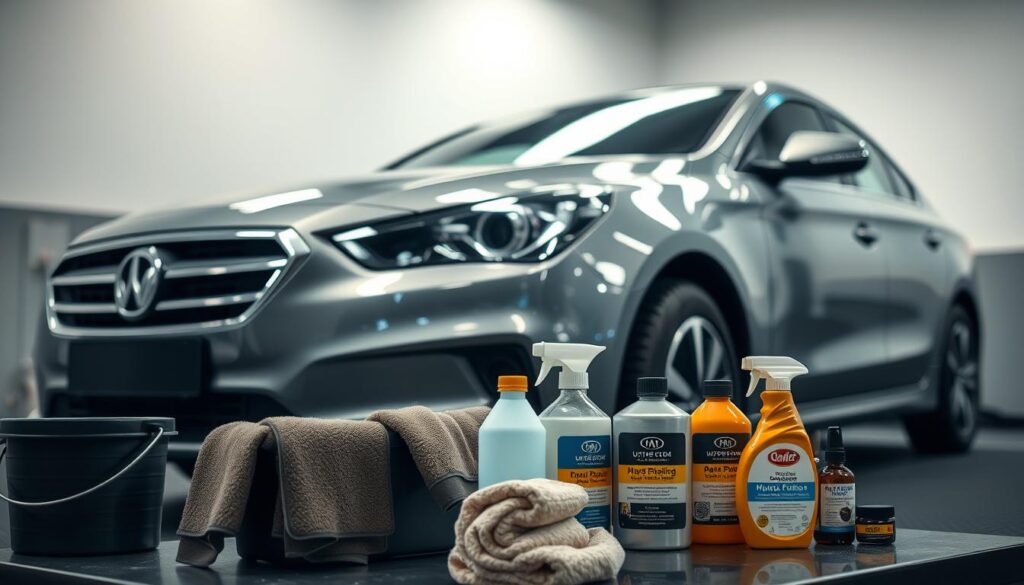
Paint Protection in harsh weather requires the right tools and products. The market offers a variety of solutions designed to shield your car’s exterior from damage caused by extreme temperatures, UV rays, rain, and more.
Quality Waxes and Sealants
Waxes and sealants are fundamental in protecting your vehicle’s paint. They provide a barrier against environmental elements, enhancing the car’s appearance while safeguarding its finish. For example, Meguiar’s Gold Class Wax offers long-lasting protection and shine.
Natural vs. Synthetic Wax Options
Natural waxes, such as carnauba, offer a deep, warm glow, while synthetic waxes provide longer-lasting protection. The choice between them depends on your priorities: appearance or durability. A popular natural option is Chemical Guys High Gloss Wax, while synthetic sealants like Turtle Wax Hybrid Solutions super Hard Shell Paste Wax deliver durable coverage.
Duration and Effectiveness Comparison
Synthetic sealants generally outlast natural waxes, offering protection for several months. However, natural waxes can be reapplied more easily, maintaining the paint’s health and appearance.
Ceramic Coatings and Their Benefits
Ceramic coatings have gained popularity for their durable car paint protection. They create a hard, protective layer that’s resistant to scratches and chemical damage.Consider options like CarPro Cquartz Ceramic Coating for professional-grade protection.
Professional vs. Consumer-Grade Ceramics
- Professional-grade ceramics offer superior durability and performance.
- Consumer-grade products are more accessible and can still provide excellent protection such as Cerakote Ceramic Trim Coat Kit.
Paint Protection Films and Clear Bras
Paint protection films (PPF) are a proactive solution, applied directly to the paint to prevent damage. Some films include self-healing technology that repairs minor scratches over time. Check out ARMOR UP Paint Protection Film Roll for trusted quality.
Self-Healing Film Technology
Some PPFs feature self-healing technology, allowing minor scratches to disappear over time, maintaining the vehicle’s appearance.
Installation Considerations and Coverage Areas
Proper installation is crucial for the effectiveness of PPF. Coverage areas typically include high-impact zones like the hood and bumper.
By choosing the right combination of these products, you can ensure your vehicle remains protected against harsh weather conditions, maintaining its appearance and value.
Preparing Your Vehicle for Weather Protection
Before applying any protective measures, it’s crucial to prepare your vehicle’s surface to withstand extreme weather conditions. A well-prepared surface ensures that protective coatings and films adhere properly, providing maximum protection against the elements.
Proper Washing Techniques
Washing your vehicle is the first step in preparing it for weather protection. It’s essential to use the right methods to avoid damaging the paint.
Two-Bucket Method and Safe Washing Practices
The two-bucket method is a safe and effective way to wash your vehicle. This involves using one bucket for soapy water and another for clean water to rinse your wash mitt.
Choosing pH-Neutral Soaps and Cleaners
Using pH-neutral soaps and cleaners is vital to avoid stripping the paint of its wax or damaging the clear coat. Opt for products specifically designed for automotive paint.
Surface Decontamination Methods
After washing, the next step is to decontaminate the surface. This removes dirt and contaminants that washing alone cannot.
Clay Bar Treatment Process
A clay bar treatment is a detailed process that involves gently rubbing a clay bar over the paint to remove contaminants. This process should be done carefully to avoid scratching the paint.
To learn more about the full clay bar treatment process and how it can give your vehicle a showroom-ready finish, check out our detailed guide: Get a Showroom-Ready Car with a Clay Bar Treatment.
Chemical Decontaminants and Their Uses
Chemical decontaminants can be used to remove tar, bug splatters, and other stubborn contaminants. Always follow the manufacturer’s instructions.
Paint Correction Before Protection
Paint correction is a critical step before applying any protective coatings. It involves polishing and compounding to remove defects.
Polishing to Remove Minor Defects
Polishing is used to remove minor defects such as swirl marks and holograms. A good polish can significantly improve the appearance of your vehicle’s paint.
Compounding for Deeper Scratches
Compounding is a more aggressive process used to remove deeper scratches and imperfections. It’s essential to use the right compound for your vehicle’s paint type.
| Preparation Step | Purpose | Recommended Products/Methods |
|---|---|---|
| Washing | Remove dirt and debris | pH-neutral soap, two-bucket method |
| Decontamination | Remove contaminants | Clay bar, chemical decontaminants |
| Paint Correction | Remove defects | Polishing compounds, compounding |
Paint Protection in Harsh Weather: Comprehensive Strategies
Protecting your vehicle’s paint from harsh weather requires a comprehensive approach that incorporates multiple layers of defense. The right strategy can make all the difference in maintaining your vehicle’s appearance and resale value.
Layering Protection for Maximum Durability
A layered protection approach is essential for withstanding harsh weather conditions. This involves combining different products and techniques to create a robust defense system.
Combining Products for Enhanced Results
Using a combination of products such as waxes, sealants, and ceramic coatings can provide enhanced protection against the elements. For instance, applying a ceramic coating over a wax or sealant can amplify the protective benefits.
Creating a Protection System That Works
To create an effective protection system, it’s crucial to understand how different products work together. This may involve applying a primer before a paint protection film or using a specific cleaning product before applying a wax or sealant.
Weather-Specific Protection Plans
Different weather conditions require tailored protection strategies. Understanding the specific challenges posed by your local climate is vital for selecting the right protection plan.
Seasonal Rotation of Products
Rotating products seasonally can help address the unique challenges of each time of year. For example, using a more protective wax during winter months can help combat road salt and freezing temperatures.
Regional Considerations for Different Climates
Regional climate considerations play a significant role in determining the best protection plan. For instance, vehicles exposed to coastal environments may require additional protection against salt air corrosion.
By adopting a comprehensive paint protection strategy, you can ensure your vehicle remains protected against the harsh effects of weather. Regular maintenance and the right combination of products are key to maintaining a vehicle’s appearance and longevity.
Protecting Your Paint Against Extreme Heat and UV Rays
To keep your vehicle looking its best, it’s vital to shield its paint from extreme heat and UV rays. Prolonged exposure can lead to paint deterioration, including fading and clear coat failure.
UV-Resistant Coatings and Products
Using a protective coating for cars can significantly enhance your vehicle’s resistance to UV damage. These coatings contain UV blockers or absorbers that prevent harmful radiation from penetrating the paint.
UV Blockers vs. UV Absorbers
UV blockers reflect UV radiation, while UV absorbers convert it into heat, which is then dissipated. Both methods are effective, but the choice depends on the specific product and vehicle needs.
Longevity of UV Protection Products
The durability of UV protection products varies. Regular reapplication may be necessary to maintain optimal protection.
Parking Strategies to Minimize Sun Exposure
Simple parking strategies can reduce your vehicle’s exposure to direct sunlight. Whenever possible, park in shaded areas or use a garage.
Garage Storage Options and Alternatives
If a garage is not available, consider alternatives like carports or canopy structures to provide shade.
Car Covers and Their Proper Use
A high-quality car cover can offer additional protection. Ensure it’s designed for your climate and vehicle type.
Dealing with Heat-Related Paint Issues
Despite preventive measures, heat-related damage can occur. Regular inspections can help identify issues early.
Preventing Clear Coat Failure
Using a protective coating and avoiding extreme temperatures can help prevent clear coat failure.
Addressing Paint Fading and Discoloration
For paint that’s already faded, consider professional detailing or touch-up services to restore its original appearance.
Safeguarding Paint During Winter and Freezing Conditions
Freezing temperatures and road salt can wreak havoc on your vehicle’s paint job if not properly protected. As winter sets in, it’s essential to take proactive measures to safeguard your car’s paint against the harsh elements.
Combating Road Salt and De-icers
Road salt and de-icers are significant threats to your vehicle’s paint during winter. To combat these, consider the following strategies:
Pre-Winter Protection Applications
Applying a protective coating or wax before winter can help shield your paint from salt and de-icers. Look for products containing ceramic or graphene for enhanced durability.
Regular Maintenance During Salt Season
Regularly inspect your vehicle for salt buildup and clean it promptly. Use a gentle wash to avoid damaging the paint.
Winter Washing Protocols
Washing your vehicle during winter requires special care. Avoid washing in direct sunlight or using hot water, which can cause damage.
Safe Washing in Below-Freezing Temperatures
Use a freeze-resistant wash mitt and avoid washing in extremely cold temperatures to prevent water from freezing on the surface.
Indoor Washing Options and Techniques
Indoor washing can help prevent water from freezing on your vehicle’s surface. Use a microfiber towel to dry your car thoroughly.
Protective Measures for Snow and Ice
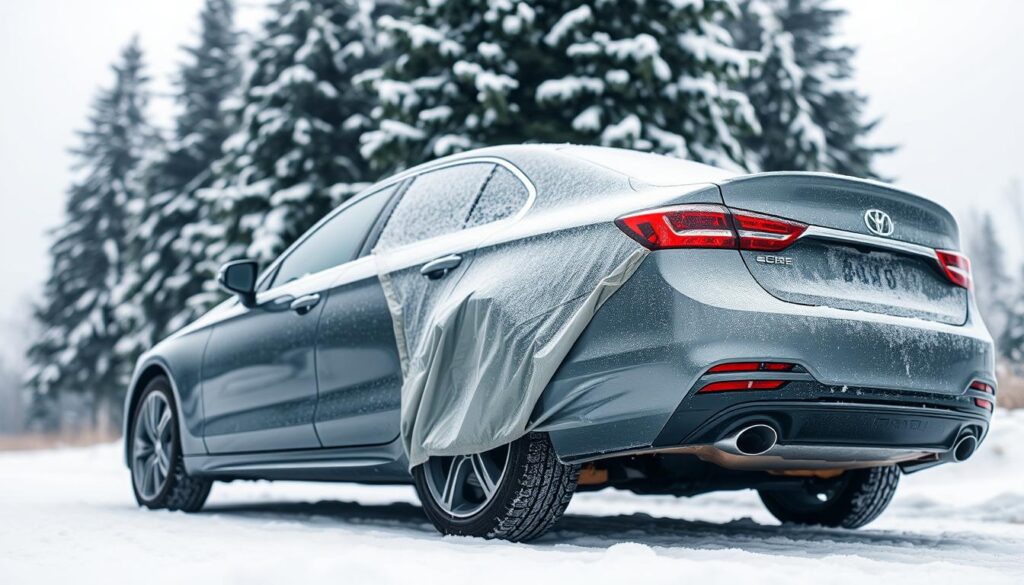
Snow and ice can be particularly damaging to your vehicle’s paint. Take these precautions to minimize the risk:
Safe Snow Removal Practices
Use a soft-bristled brush or a snow foam lance to gently remove snow without scratching the paint.
Preventing Ice Adhesion to Paint
Apply a hydrophobic coating to your vehicle’s paint to reduce ice adhesion and make snow removal easier.
| Protection Method | Benefits | Application Frequency |
|---|---|---|
| Ceramic Coating | Long-lasting protection, hydrophobic properties | Once a year |
| Wax or Sealant | Easy to apply, provides a barrier against salt and de-icers | Every 2-3 months |
| Paint Protection Film | High-impact resistance, protects against scratches and chips | Once, with possible reapplication after 5-7 years |
Rain and Humidity Protection Strategies
To keep your vehicle looking its best, it’s vital to implement rain and humidity protection strategies for its paint. Rain and humidity can lead to water spotting, etching, and other forms of damage that compromise the appearance and integrity of your vehicle’s finish.
Preventing Water Spotting and Etching
Water spotting and etching are common issues caused by rain and humidity. These occur when mineral deposits are left on the paint surface as water evaporates, potentially etching into the clear coat.
Quick-Drying Techniques After Rain
One effective method to prevent water spotting is to dry your vehicle quickly after it rains. Using a microfiber towel or chamois can help absorb water without scratching the paint.
Water Spot Removal and Prevention
For existing water spots, specialized removal products can help restore the paint’s appearance. Regular washing and drying can prevent new spots from forming.
Hydrophobic Coatings and Their Application
Hydrophobic coatings cause water to bead up and roll off the paint surface, reducing the risk of water spotting and etching. These coatings are a proactive measure against rain and humidity damage.
Creating Beading vs. Sheeting Effects
Hydrophobic coatings can create either a beading or sheeting effect. Beading is more common and causes water to form droplets that easily roll off, while sheeting involves water spreading out in a thin layer that quickly evaporates.
Maintenance of Hydrophobic Properties
To maintain the hydrophobic effect, regular washing with the right products is necessary. Avoid using harsh chemicals that can strip away the coating.
Dealing with Acid Rain Damage
Acid rain poses a significant threat to vehicle paint due to its corrosive nature. Neutralizing acidic contaminants promptly is crucial to preventing damage.
Neutralizing Acidic Contaminants
Using a detail spray or a product specifically designed to neutralize acid rain contaminants can help protect the paint.
Geographic Areas Most at Risk
Regions with high levels of industrial pollution are more prone to acid rain. If you live in such an area, extra precautions are necessary to protect your vehicle’s paint.
| Protection Strategy | Description | Benefits |
|---|---|---|
| Quick-Drying Techniques | Drying the vehicle quickly after rain | Prevents water spotting |
| Hydrophobic Coatings | Causes water to bead and roll off | Reduces water spotting and etching risk |
| Neutralizing Acidic Contaminants | Using products to counteract acid rain effects | Protects against acid rain damage |
Defending Against Coastal and High-Salt Environments
Protecting your vehicle from the corrosive effects of salt air is crucial in coastal environments. The salty air can accelerate the deterioration of your vehicle’s paint and metal components, leading to costly repairs if not addressed properly.
Salt Air Corrosion Prevention
To combat salt air corrosion, it’s essential to create a protective barrier between your vehicle’s surface and the harsh coastal environment.
Protective Barriers Against Salt Spray
Applying a high-quality wax or sealant can provide a hydrophobic layer that repels saltwater and reduces the risk of corrosion. Ceramic coatings are particularly effective due to their durability and hydrophobic properties.
Undercarriage Protection Methods
The undercarriage of your vehicle is especially vulnerable to salt damage. Using an undercarriage coating can protect this area from corrosion. Regularly inspecting and maintaining the undercarriage coating is crucial for long-term protection.
Maintenance Schedule for Coastal Vehicles
Regular maintenance is key to preserving your vehicle’s finish in coastal environments.
Frequency of Washing and Protection
Washing your vehicle frequently, ideally once a week, can help remove salt deposits. Applying a protective wax or sealant every 2-3 months can maintain the protective barrier.
Inspection Points for Salt Damage
Regularly inspect areas prone to salt damage, such as the undercarriage, wheel wells, and suspension components. Look for signs of rust or corrosion and address these issues promptly.
Specialized Products for Salt Protection
Using the right products can significantly enhance your vehicle’s protection against salt damage.
Salt Neutralizers and Their Application
Salt neutralizers can help counteract the corrosive effects of salt. These products can be applied during washing to help remove salt deposits more effectively.
Corrosion Inhibitors for Paint Systems
Corrosion inhibitors can be added to your vehicle’s paint protection regimen to provide an extra layer of defense against salt-induced corrosion.
| Protection Method | Description | Application Frequency |
|---|---|---|
| Wax or Sealant | Provides hydrophobic layer | Every 2-3 months |
| Ceramic Coating | Durable, hydrophobic coating | Once or as needed |
| Undercarriage Coating | Protects undercarriage from corrosion | At least once a year |
DIY vs. Professional Paint Protection Services
Durable car paint protection is a top priority for vehicle owners, and understanding the differences between DIY and professional services is key.
Cost-Benefit Analysis of Professional Services
Professional paint protection services offer a high level of quality and durability, but at a cost. The initial investment can be significant, but it pays off in the long run with long-lasting protection against harsh weather conditions.
Pricing Structures and Value Considerations
The pricing for professional services varies based on the type of protection chosen, the size of the vehicle, and the location. It’s essential to consider the value you’re getting for your money.
Longevity of Professional Applications
Professional applications are known for their durability, often lasting several years with proper maintenance. This longevity is a significant factor in their cost-benefit analysis.
DIY Protection Methods and Their Effectiveness
DIY paint protection methods can be cost-effective and satisfying for those who enjoy working on their vehicles. However, they require the right tools and skills to be effective.
Tools and Skills Required for Home Application
To achieve a good result with DIY protection, you’ll need high-quality products and a good understanding of application techniques.
Common DIY Mistakes to Avoid
Common mistakes include improper surface preparation, incorrect application techniques, and using low-quality products. Avoiding these mistakes is crucial for a successful DIY protection job.
When to Seek Professional Help
Knowing when to seek professional help is crucial. If you’re unsure about the best protection method or lack the time and skills for a DIY job, it’s time to consult a professional.
Signs Your Paint Needs Expert Attention
Signs that your paint needs professional attention include significant fading, scratches, or damage from harsh weather conditions.
Finding Reputable Protection Specialists
To find a reputable specialist, look for reviews, ask for referrals, and check their portfolio for previous work.
| Service Type | Cost | Durability |
|---|---|---|
| DIY Protection | $50-$200 | 1-3 years |
| Professional Protection | $500-$2000 | 3-7 years |
Maintenance Routines to Preserve Paint Protection
Maintaining your vehicle’s paint protection is an ongoing process that involves several key steps. To ensure the longevity of the protection, it’s essential to adopt a consistent maintenance routine.
Regular Inspection Practices
Regular inspections are vital to identify any potential issues early on. This includes checking for signs of wear, damage, or deterioration on the paint surface.
What to Look for During Paint Checks
During inspections, look for scratches, fading, or water spots that could compromise the paint protection. It’s also important to check the condition of the protective coating or film.
Documentation and Tracking of Protection
Keeping a record of maintenance activities helps in tracking the effectiveness of the paint protection over time. This can include noting the date of application, type of product used, and any subsequent maintenance or repairs.
Reapplication Schedules for Different Products
Different paint protection products have varying durability and reapplication needs. Understanding these requirements is crucial for maintaining optimal protection.
Wax and Sealant Maintenance Timelines
Waxes and sealants typically need to be reapplied every few months. The exact timeline depends on the product and environmental conditions.
Ceramic Coating Maintenance Requirements
Ceramic coatings are more durable and can last longer, but they still require periodic checks and maintenance to ensure they remain effective.
Quick Touch-up Techniques
For minor damages or wear, quick touch-up techniques can be employed. This includes spot treatments for vulnerable areas and emergency protection refresh methods.
Spot Treatments for Vulnerable Areas
Identify vulnerable areas such as the hood, roof, and trunk, and apply spot treatments as needed to maintain protection.
Emergency Protection Refresh Methods
In case of unexpected damage, having a plan for emergency protection refresh can help mitigate the impact on your vehicle’s paint.
Securing Your Vehicle’s Finish for Years to Come
Protecting your vehicle’s paint is a long-term investment that requires attention to detail and the right protective coating for cars. By understanding how harsh weather conditions damage vehicle paint and using the essential tools and products for paint protection, you can significantly extend the life of your vehicle’s finish.
Regular maintenance routines, including proper washing techniques, surface decontamination methods, and reapplication schedules for different products, are crucial for paint protection in harsh weather. Whether you opt for DIY protection methods or seek professional help, the key is to be proactive in defending your vehicle’s paint against extreme weather conditions.
By layering protection and using weather-specific protection plans, you can ensure your vehicle’s finish remains vibrant and intact for years to come. With the right protective coating for cars and a commitment to regular maintenance, you can enjoy a well-maintained vehicle that retains its value and appearance.