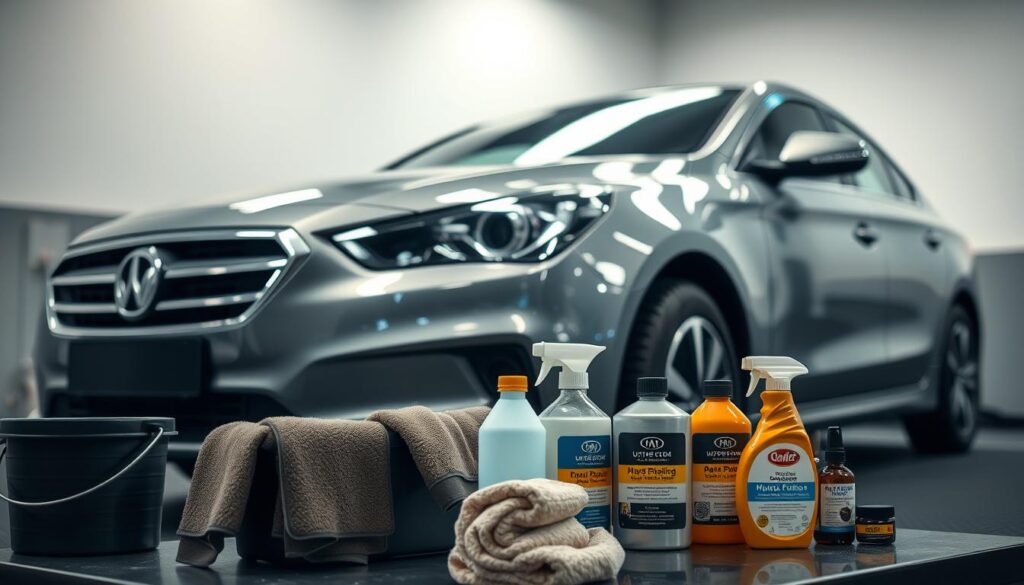
Have you ever driven on a summer road trip, only to return with a car covered in unsightly bug splatters? While they may seem harmless, these splatters can damage your car’s paint if not removed properly.
Using the right techniques and cleaning products is crucial to safely remove bug residue without damaging the paint. In this article, we’ll explore the best methods for bug removal and provide tips on how to protect your car’s finish.
Key Takeaways
- Safe methods for removing bug residue from car paint
- The importance of using the right cleaning products
- Tips for protecting your car’s paint during bug removal
- Common mistakes to avoid when removing bug splatters
- Best practices for maintaining your car’s exterior
Why Bug Splatter Damages Your Car’s Paint
Bug splatter on your car can be more than just an unsightly mess; it can actually damage your vehicle’s paint if not addressed promptly. When bug splatter is left on the car’s surface, it doesn’t just sit there inertly; it starts to interact with the paint in potentially damaging ways.
The Chemical Composition of Bug Residue
Bug residue contains proteins and other organic compounds that can be particularly aggressive towards automotive paint. These compounds can start breaking down the paint’s surface, especially when exposed to sunlight and heat, making it crucial to use an effective insect splatter cleaner to remove them.
How Quickly Damage Can Occur
The damage from bug splatter can occur relatively quickly if the residue is not cleaned off. The acids in the bug splatter can etch into the paint, causing irreversible damage. Knowing how to clean bug splats effectively is key to maintaining your car’s appearance and protecting its paint. Regular cleaning and prompt removal of bug splatter are essential practices for any car owner.
Essential Supplies to Remove Bug Splatter
Armed with the right cleaning products, you can efficiently remove bug residue without damaging your car’s paint. The market offers a variety of solutions for this purpose, ranging from specialized commercial products to household alternatives.
Commercial Bug Removal Products
For those who prefer a straightforward solution, commercial bug removal products are a great option. These products are specifically designed to safely remove bug splatter.
Spray-On Solutions
Spray-on bug removers are convenient and easy to use. Brands like Meguiar’s and 3M offer effective formulas that dissolve bug residue quickly.
Bug Sponges and Specialized Tools
Using a bug sponge or other specialized tools can help in gently removing stubborn bug splatter without scratching the paint.
Household Alternatives
If you prefer not to use commercial products, several household items can serve as effective alternatives. For instance, a mixture of water and baking soda or white vinegar can help break down bug residue.
Tools and Applicators
Having the right tools is just as important as having the right cleaning solution. Microfiber cloths are excellent for applying cleaning solutions and wiping away bug residue without leaving scratches.
- Microfiber cloths for gentle application and removal
- Soft-bristled brushes for delicate areas
- Spray bottles for even distribution of cleaning solutions
By choosing the right supplies, you can effectively remove bug splatter and maintain your car’s appearance.
Preparing Your Vehicle for Bug Removal
Preparing your vehicle for bug removal is a crucial step that ensures a safe and effective cleaning process. This step is vital to eliminate bug mess without damaging your vehicle’s paint.
Ideal Conditions for Cleaning
Cleaning your vehicle in ideal conditions is crucial for effective bug removal. Choose a shaded area or clean your vehicle early in the morning or late in the evening to avoid direct sunlight, which can cause bug residue to bake onto the surface.
Pre-Treatment Steps
Before applying any cleaning products, it’s essential to follow some pre-treatment steps. These steps help loosen the bug residue, making it easier to remove.
Initial Rinse Techniques
Start by rinsing your vehicle with water to remove any loose debris. Use a wide fan spray to gently dislodge dirt and bug parts without scratching the paint.
Testing Products on Inconspicuous Areas
Before applying any bug removal product, test it on an inconspicuous area to ensure it doesn’t damage the paint or other surfaces. This step is crucial for maintaining your vehicle’s finish.
| Pre-Treatment Step | Purpose | Benefit |
|---|---|---|
| Initial Rinse | Remove loose debris | Prevents scratching during cleaning |
| Testing Products | Ensure product safety | Protects vehicle’s paint and surfaces |
Step-by-Step Guide to Remove Bug Splatter Effectively
Effective bug splatter removal requires patience, the right materials, and a gentle touch. Removing bug residue from your car’s paint is a multi-step process that, when done correctly, helps maintain your vehicle’s appearance and protects its surface.
Initial Soaking Process
The first step in removing bug splatter is to soak the affected area. This can be done using a commercial bug removal product or a mixture of water and a mild detergent. Soaking helps loosen the bug residue, making it easier to remove without damaging the paint. Apply the soaking solution to the affected area and let it sit for a few minutes.
Gentle Scrubbing Techniques
After soaking, use a soft, microfiber cloth or sponge to gently scrub the area. It’s crucial to be gentle to avoid scratching the paint. Scrub in a circular motion, applying moderate pressure. For particularly stubborn bug splatter, you may need to repeat the soaking and scrubbing process a few times until the residue is completely removed.
Rinsing and Drying Properly
Once the bug splatter has been removed, rinse the area thoroughly with clean water to remove any remaining soap or debris. Drying the area with a microfiber towel helps prevent water spots from forming. Ensure the area is completely dry, paying extra attention to any crevices or areas where water might collect.
By following these steps, you can effectively remove bug splatter from your car’s paint, maintaining its appearance and protecting its surface from damage.
Tackling Stubborn Bug Residue
When regular cleaning methods fail to remove bug residue, it’s time to consider advanced techniques. Stubborn bug splatter can be particularly challenging, but with the right strategies and products, it’s possible to restore your vehicle’s finish.
Advanced Cleaning Methods
For bug residue that is particularly stubborn, using a bug residue cleaner or insect splatter cleaner can be highly effective. These products are specifically designed to break down the complex compounds found in bug splatter, making it easier to remove them without damaging the paint.
Some of these advanced cleaning methods include using specialized cleaning solutions that are formulated to dissolve bug residue. These solutions can be more effective than household cleaners and are designed to be safe on automotive finishes.
When to Use Clay Bars
A clay bar is another effective tool for removing stubborn bug residue. It works by physically picking up the residue, leaving the surface smooth.
Clay Bar Application Process
To use a clay bar, start by washing and drying your vehicle. Then, using a clay bar lubricant, gently rub the clay bar back and forth over the affected area. This process will pick up the bug residue, leaving the paint smooth.
Post-Clay Treatment
After using a clay bar, it’s essential to follow up with a thorough rinse and dry. Applying a protective wax or sealant can also help protect the paint from future damage.
| Method | Effectiveness | Potential Damage |
|---|---|---|
| Bug Residue Cleaner | High | Low |
| Clay Bar | High | Low (if used correctly) |
| Household Cleaners | Variable | High |
By understanding when and how to use these advanced cleaning methods, you can effectively remove stubborn bug residue and maintain your vehicle’s appearance.
Specialized Areas: Headlights, Grills, and Mirrors
Removing bug residue from sensitive areas like headlights and mirrors requires a gentle touch. These components are crucial for both the functionality and aesthetics of your vehicle. Using the right techniques and materials is essential to avoid damage.
Cleaning Plastic Components
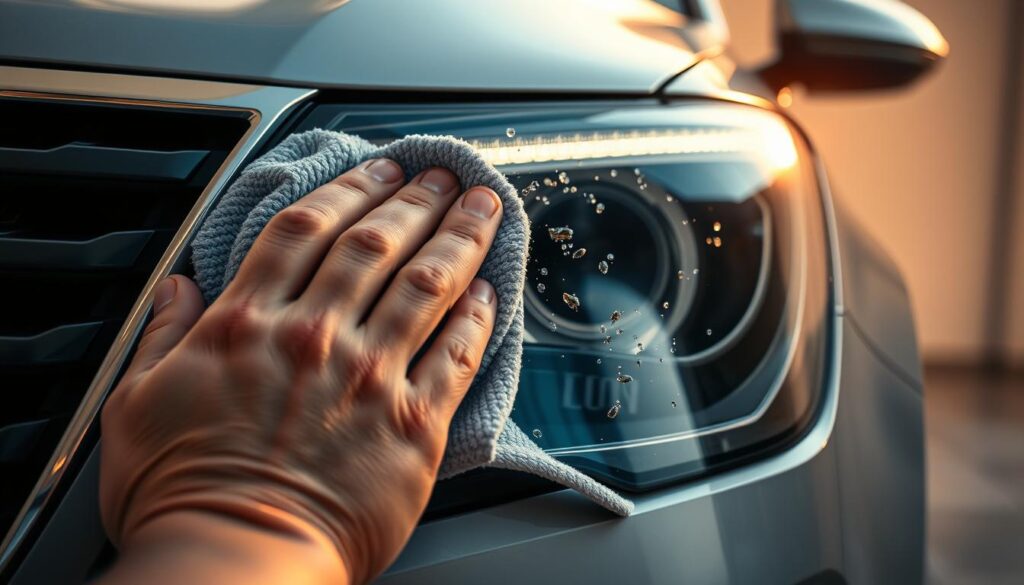
Plastic components, such as headlights and grills, can be particularly susceptible to damage from harsh chemicals or abrasive cleaners. To clean bug splatter from these areas, start by using a mild soap solution and a soft cloth. Gently wipe away the bug residue, taking care not to scratch the surface. For more stubborn splatters, consider using a best bug remover specifically designed for plastic surfaces.
Addressing Chrome and Metal Surfaces
Chrome and metal surfaces, like grills and mirrors, require a different approach. These surfaces can be cleaned using a mixture of water and white vinegar or a dedicated chrome cleaner. Apply the cleaner to a soft cloth and gently rub the affected area. Avoid using circular motions or applying too much pressure, which can cause scratches. For tough bug splatter, let the cleaner sit for a few minutes before wiping clean. This method is effective for learning how to clean bug splats from metal surfaces without causing damage.
By following these guidelines, you can effectively remove bug splatter from your vehicle’s headlights, grills, and mirrors, maintaining both their functionality and appearance.
DIY Bug Residue Cleaners That Actually Work
Bug splatter on your car’s paint doesn’t have to be a permanent problem; several DIY cleaners can help eliminate the bug mess. Creating your own bug stain remover at home is not only cost-effective but also allows you to avoid harsh chemicals found in some commercial products.
Vinegar-Based Solutions
A simple and effective way to remove bug residue is by using a vinegar-based solution. Mix equal parts of water and white vinegar in a spray bottle. Spray the solution onto the affected area and let it sit for a few minutes. The acid in the vinegar helps break down the bug splatter, making it easier to wipe away.
Vinegar’s acidity is gentle on car paint but tough on bug residue, making it an ideal ingredient for a car bug cleaner.
Baking Soda Mixtures
Baking soda is another household item that can be used to create a effective bug stain remover. Make a paste by mixing baking soda with water, and apply it to the bug splatter. Let it sit for about 15 minutes before rinsing off with warm water. The mild abrasiveness of baking soda helps remove the bug residue without damaging the paint.
Dryer Sheet Method
Believe it or not, dryer sheets can also be used to remove bug splatter from your car’s paint. Simply wet a dryer sheet and rub it gently over the affected area. The static electricity and the texture of the sheet can help lift the bug residue off the paint. This method is particularly useful for delicate surfaces.
These DIY methods offer a range of options for removing bug residue, from the acidic power of vinegar to the gentle abrasiveness of baking soda, and the innovative use of dryer sheets.
Preventing Bug Splatter Damage
Preventing bug splatter damage is crucial for maintaining your car’s paint job. Bug splatter can etch into the paint, causing unsightly stains and damage. Fortunately, there are several proactive measures you can take to protect your vehicle’s finish.
Protective Waxes and Sealants
One of the most effective ways to prevent bug splatter damage is by applying a protective wax or sealant to your car’s paint. These products create a barrier that makes it harder for bug residue to adhere to the surface.
Ceramic Coatings
Ceramic coatings are a popular choice for car owners looking for long-lasting protection. They provide a durable layer that resists bug splatter and makes cleaning easier. Ceramic coatings can last for several months and offer excellent hydrophobic properties.
Traditional Carnauba Wax
For those who prefer a more traditional approach, carnauba wax is a natural and effective option. It provides a protective layer that helps prevent bug splatter from damaging the paint. While it may not last as long as ceramic coatings, carnauba wax is still a great choice for many car owners.
Bug Deflectors and Physical Barriers
In addition to protective waxes and sealants, bug deflectors and other physical barriers can help reduce the impact of bug splatter on your car’s paint. Bug deflectors are devices that can be installed on the front of your vehicle to redirect airflow and reduce the number of bugs that hit the paint.
- Bug deflectors can be especially useful for drivers who frequently travel at high speeds or through areas with high insect activity.
- Other physical barriers, such as front-end covers or masks, can also provide protection against bug splatter.
Common Mistakes When Removing Bug Residue
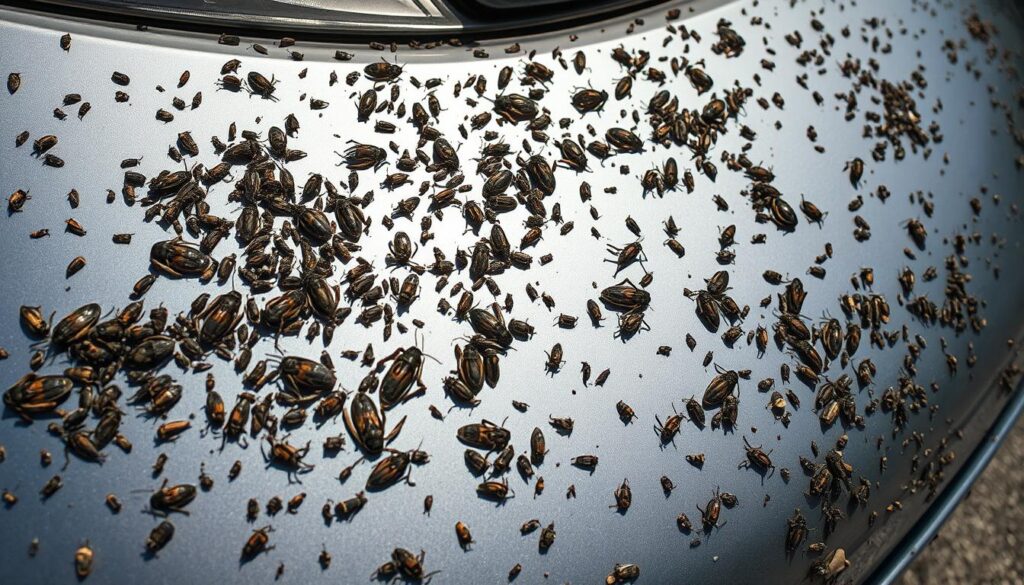
When it comes to removing bug residue, many car owners unknowingly make mistakes that can harm their vehicle’s finish. To effectively remove bug splatter, it’s crucial to avoid certain pitfalls that can damage your car’s paint.
Abrasive Materials to Avoid
Using abrasive materials is one of the most common mistakes when removing bug residue. Avoid using rough cloths or scrubbers that can scratch the paint. Instead, opt for soft, microfiber cloths that are gentle on the surface.
Harmful Chemicals That Damage Paint
Some chemicals can strip away the wax and damage the paint. Harsh chemicals like bleach or strong detergents should be avoided. They can cause discoloration and weaken the paint’s finish.
Household Cleaners to Never Use
Never use household cleaners like ammonia or abrasive cleaners that are not designed for automotive paint. These can cause irreversible damage.
pH Considerations for Paint Safety
It’s also important to consider the pH level of the cleaning solution. A solution that is too alkaline or acidic can damage the paint. Opt for pH-balanced cleaners that are specifically designed for removing bug residue without harming the paint.
Keeping Your Vehicle’s Finish Protected After Bug Removal
After successfully removing bug splatter from your vehicle’s paint using an effective insect splatter cleaner or best bug remover, it’s essential to take steps to protect the finish. Applying a high-quality car bug cleaner is just the first step; maintaining the paint’s integrity is crucial for a long-lasting finish.
Regular washing and waxing are vital to protect your vehicle’s paint from the elements. Using a gentle car wash soap and avoiding harsh chemicals will help preserve the paint’s finish. Additionally, applying a protective wax or sealant after washing will provide a barrier against bug splatter and other contaminants.
For added protection, consider using a bug deflector or physical barrier to minimize the impact of bug splatter on your vehicle’s paint. Regularly inspecting your vehicle’s finish and addressing any damage promptly will also help maintain its appearance.
By following these tips and using the right products, such as a reliable car bug cleaner, you can keep your vehicle’s finish looking its best and ensure a long-lasting shine.