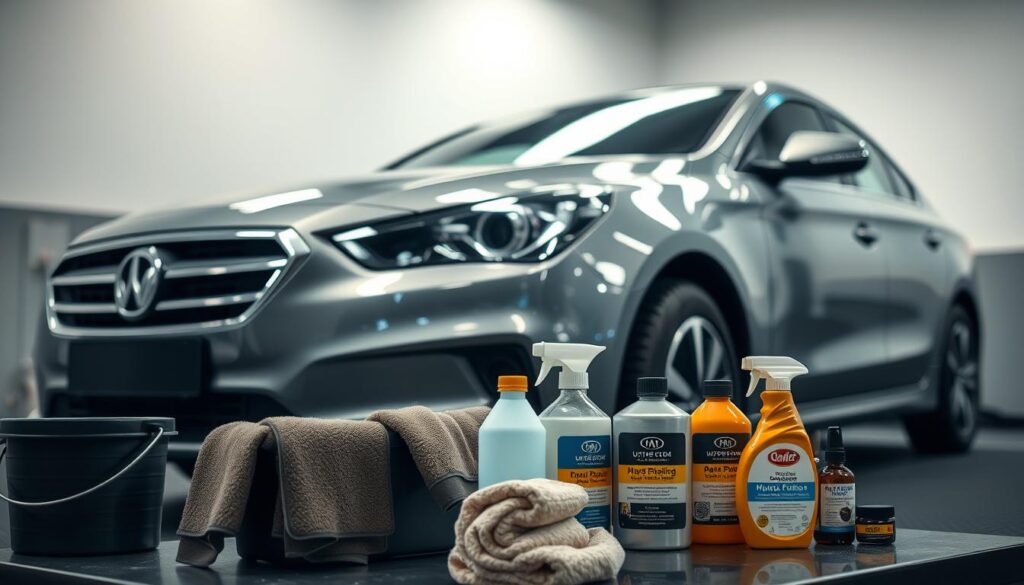
As a car enthusiast, have you ever wondered what’s the best way to protect your vehicle’s finish? With so many options available, it can be challenging to decide between traditional waxes and nano-tech paint sealants. In my experience, nano-tech paint sealants offer superior car paint protection compared to waxes, providing a longer-lasting barrier against the elements.
Nano-tech paint sealants are designed to provide a durable, hydrophobic layer that shields your car’s finish from damage caused by UV rays, water, and contaminants. Unlike traditional waxes, which can break down quickly, nano-tech sealants maintain their protective properties for an extended period.
Key Takeaways
- Nano-tech paint sealants offer longer-lasting car paint protection compared to traditional waxes.
- They provide a hydrophobic layer that repels water and contaminants.
- Nano-tech sealants are more durable and resistant to UV damage.
- They require less maintenance than traditional waxes.
- Nano-tech paint sealants are a superior choice for vehicle owners seeking long-term protection.
The Evolution of Vehicle Paint Protection
As environmental threats to vehicle finishes grow, so does the evolution of paint protection methods. The need to safeguard a vehicle’s exterior has driven innovation, transforming the way we protect automotive paint.
Environmental Threats to Your Car’s Finish
Vehicles are constantly exposed to harsh environmental conditions, including UV radiation, acid rain, and contaminants that can damage the paint and clear coat. These elements can cause fading, oxidation, and etching, compromising the vehicle’s appearance and longevity.
The Shift from Traditional to Advanced Protection
Traditionally, car waxes were the primary means of protecting vehicle paint. However, with advancements in technology, nano-tech paint sealants have emerged as a superior alternative. These sealants offer enhanced durability and protection against environmental threats.
| Protection Method | Durability | Environmental Protection |
|---|---|---|
| Traditional Waxes | Short-term | Limited |
| Nano-Tech Sealants | Long-term | Advanced |
Traditional Car Waxes: Understanding the Limitations
Traditional car waxes have been a staple in vehicle maintenance for decades, but their limitations are becoming increasingly apparent. As a car enthusiast, it’s crucial to understand the composition, functionality, and drawbacks of these waxes to make informed decisions about your vehicle’s paint protection.
Composition and Properties of Carnauba and Synthetic Waxes
Car waxes are typically made from a combination of natural waxes, such as Carnauba wax, and synthetic polymers. Carnauba wax provides a hard, durable finish, while synthetic waxes enhance durability and ease of application. However, the exact composition can vary significantly between products, affecting their performance and longevity.
How Waxes Create a Sacrificial Barrier
Waxes work by creating a sacrificial barrier on the paint surface, protecting it from environmental contaminants and minor scratches. This barrier is made up of the wax molecules that bond to the paint, creating a hydrophobic surface that repels water and reduces the risk of damage. However, this barrier is not permanent and can degrade over time.
Why Waxes Require Frequent Reapplication
Waxes require frequent reapplication due to their relatively short lifespan. Factors such as weather conditions and washing frequency can significantly impact the longevity of the wax coating.
Weather Impact on Wax Longevity
Exposure to direct sunlight, heavy rain, and extreme temperatures can cause the wax to degrade faster, reducing its effectiveness and requiring more frequent reapplication.
Washing Effects on Wax Protection
Frequent washing, especially using harsh chemicals or high-pressure washes, can strip away the wax coating, necessitating reapplication to maintain protection.
Automotive Paint Sealers: The Science of Superior Protection
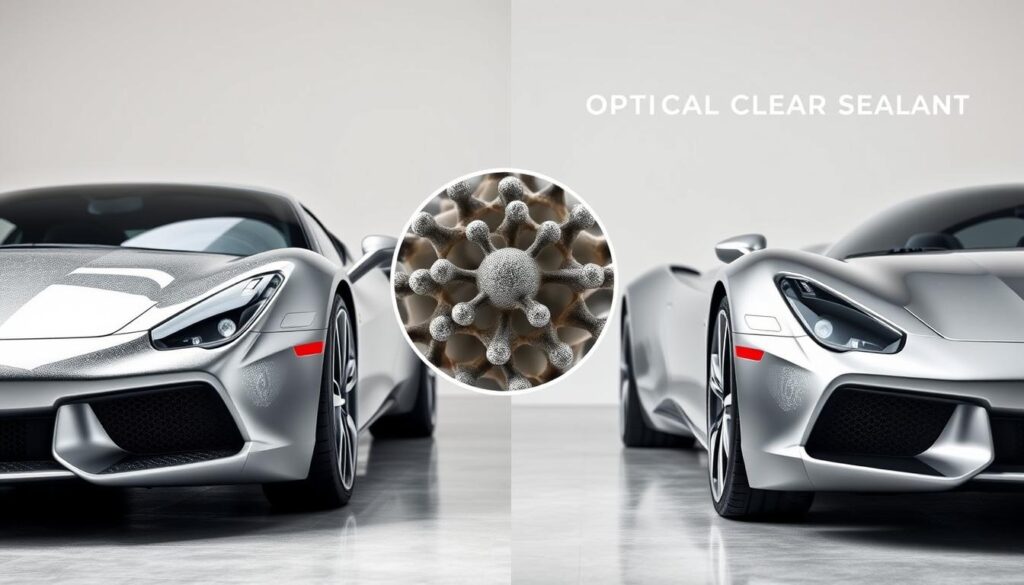
The science behind automotive paint sealers is rooted in advanced materials technology, providing a robust defense against environmental threats. As a car enthusiast, understanding the intricacies of these sealers can help you make informed decisions about your vehicle’s protection.
Synthetic Polymer Technology Explained
Synthetic polymer technology is at the heart of modern automotive paint sealers. These polymers are engineered to form a strong, flexible barrier that protects the paint from damage. Unlike natural waxes, synthetic polymers offer superior durability and resistance to environmental factors.
How Nano-Particles Bond with Paint Surfaces
Nano-particles play a crucial role in the effectiveness of automotive paint sealers. These tiny particles penetrate the paint surface, creating a strong bond that enhances the sealer’s durability. This bonding process is key to the sealer’s ability to withstand harsh conditions.
Chemical Cross-Linking Process
The chemical cross-linking process further enhances the durability of automotive paint sealers. By creating a network of chemical bonds, the sealer becomes even more resistant to wear and tear. This process contributes significantly to the long-lasting protection offered by these advanced sealants.
| Technology | Description | Benefits |
|---|---|---|
| Synthetic Polymer | Engineered polymers for strong barrier | Durable, resistant to environmental factors |
| Nano-Particles | Tiny particles bonding with paint surface | Enhanced durability, withstands harsh conditions |
| Chemical Cross-Linking | Network of chemical bonds | Increased resistance to wear and tear |
Key Performance Advantages of Nano-Tech Sealants
In the quest for the perfect paint protection solution, nano-tech sealants stand out for their exceptional performance and durability. As a car enthusiast, understanding the benefits of these advanced sealants can help you make an informed decision about protecting your vehicle’s paint.
Extended Durability: 6-12 Months of Protection
Nano-tech sealants offer long-lasting protection that can last from 6 to 12 months, depending on the product and environmental conditions. This extended durability is a significant improvement over traditional waxes, which require more frequent reapplication. For more information on how nano-tech sealants perform in harsh weather, visit our detailed guide.
Enhanced Resistance to UV Damage and Oxidation
One of the key benefits of nano-tech sealants is their enhanced resistance to UV damage and oxidation. These sealants create a robust barrier that shields your car’s paint from the harmful effects of sunlight, preventing fading and discoloration over time.
Superior Chemical and Environmental Protection
Nano-tech sealants also provide superior protection against various chemical and environmental threats. This includes:
- Defense against acid rain
- Resistance to bird droppings
- Protection from road salt
- Shielding against industrial fallout
Acid Rain and Bird Droppings Defense
The advanced chemical structure of nano-tech sealants allows them to effectively defend against acid rain and bird droppings, both of which can cause significant damage to your car’s paint if left unchecked.
Road Salt and Industrial Fallout Resistance
Additionally, these sealants offer top-rated car sealant performance by resisting the corrosive effects of road salt and protecting against the damaging particles found in industrial fallout.
Application Comparison: Sealants vs. Waxes
Understanding the application differences between sealants and waxes is crucial for optimal vehicle protection. While both provide a layer of protection against environmental elements, their application processes vary significantly.
Step-by-Step Application Techniques
Applying a sealant requires a more meticulous approach than waxing. For sealants, the surface must be meticulously cleaned and prepared, often involving a thorough polishing process to ensure a smooth surface for optimal bonding.
In contrast, wax can be applied to a less prepared surface, although a clean surface is still recommended for best results. The application technique for both involves using a clean, soft cloth or applicator pad, working in small sections to ensure even coverage.
Time Investment and Maintenance Requirements
The time invested in applying sealants is generally longer than for waxes, primarily due to the more detailed surface preparation required. However, sealants offer a significant advantage in terms of durability, lasting 6-12 months compared to waxes, which may need reapplication every few weeks to a few months.
Surface Preparation Differences
Surface preparation for sealants involves a thorough cleaning and often a light polishing to remove minor imperfections, ensuring a strong bond between the paint and the sealant. For waxes, a simple wash is usually sufficient, although a more thorough preparation can enhance the wax’s durability and appearance.
Curing Time Considerations
Sealants typically require a longer curing time than waxes, often needing several hours to a full day to fully cure, depending on environmental conditions. Waxes, on the other hand, can usually be buffed and ready shortly after application.
Cost-Benefit Analysis: Long-Term Value of Paint Sealants
To make an informed decision, it’s essential to analyze both the initial investment and the long-term costs associated with each paint protection option. As a professional in the field, I’ve seen many car owners overlook the overall value proposition of advanced paint sealants.
Nano-tech paint sealants typically require a higher upfront cost compared to traditional waxes. However, their durability and longevity significantly reduce the frequency of applications needed over time.
Initial Investment vs. Frequency of Application
The initial cost of nano-tech sealants is often higher, but they last 6-12 months, whereas waxes need to be reapplied every 1-3 months. This difference in application frequency directly impacts the total annual cost.
Total Annual Cost Comparison
When calculating the total annual cost, nano-tech sealants prove to be more economical in the long run. With fewer applications required, the overall expense is significantly reduced compared to frequent wax applications. This long-term saving is a key advantage of choosing nano-tech paint sealants.
Top-Rated Nano-Tech Paint Sealants for Different Needs
Nano-tech paint sealants have revolutionized the way we protect our cars, and here are some top-rated options. With various products available, choosing the right one depends on your specific needs, whether you’re a daily driver or a show car enthusiast.
Best Overall Performers for Daily Drivers
For everyday car owners, durability and ease of maintenance are key. Some of the best nano-tech paint sealants offer long-lasting protection and are easy to apply.
Budget-Friendly Options
For those on a budget, options like Gogo Nano’s Car Paint Protection Coating offer great value without compromising on quality.
Premium Formulations
Premium products, while more expensive, provide advanced features such as enhanced UV protection and hydrophobic properties, making them a worthwhile investment for some car owners.
Specialized Options for Show Cars and Collectors
For show cars and collector’s items, the level of protection and finish is paramount. Specialized nano-tech sealants are designed to provide a showroom-quality finish and are worth considering for these vehicles.
Where to Purchase Quality Sealants Online
When buying nano-tech paint sealants online, it’s crucial to purchase from reputable sources. Websites like Amazon offer a wide range of products, along with customer reviews to help you make an informed decision. Always check the seller’s ratings and reviews before making a purchase.
Conclusion: Embracing Modern Paint Protection Technology
As we’ve explored throughout this article, the evolution of vehicle paint protection has led to the development of modern paint protection technology, with nano-tech paint sealants at the forefront. These advanced auto paint sealers offer a superior alternative to traditional waxes, providing a durable and long-lasting barrier against environmental threats.
The science behind nano-tech sealants, including synthetic polymer technology and nano-particle bonding, ensures a strong chemical cross-linking process that enhances the paint’s resistance to UV damage, oxidation, and chemical contaminants. By choosing a high-quality sealer auto paint, vehicle owners can enjoy extended durability and reduced maintenance requirements.
In conclusion, embracing modern paint protection technology is a wise decision for any vehicle owner seeking to protect their investment. With the benefits of nano-tech paint sealants clearly outlined, it’s clear that these advanced products offer a more effective and efficient solution than traditional waxes. By making the switch to a nano-tech paint sealant, you’ll be able to enjoy a showroom shine for months to come, while also safeguarding your vehicle’s paint against the rigors of daily driving.